
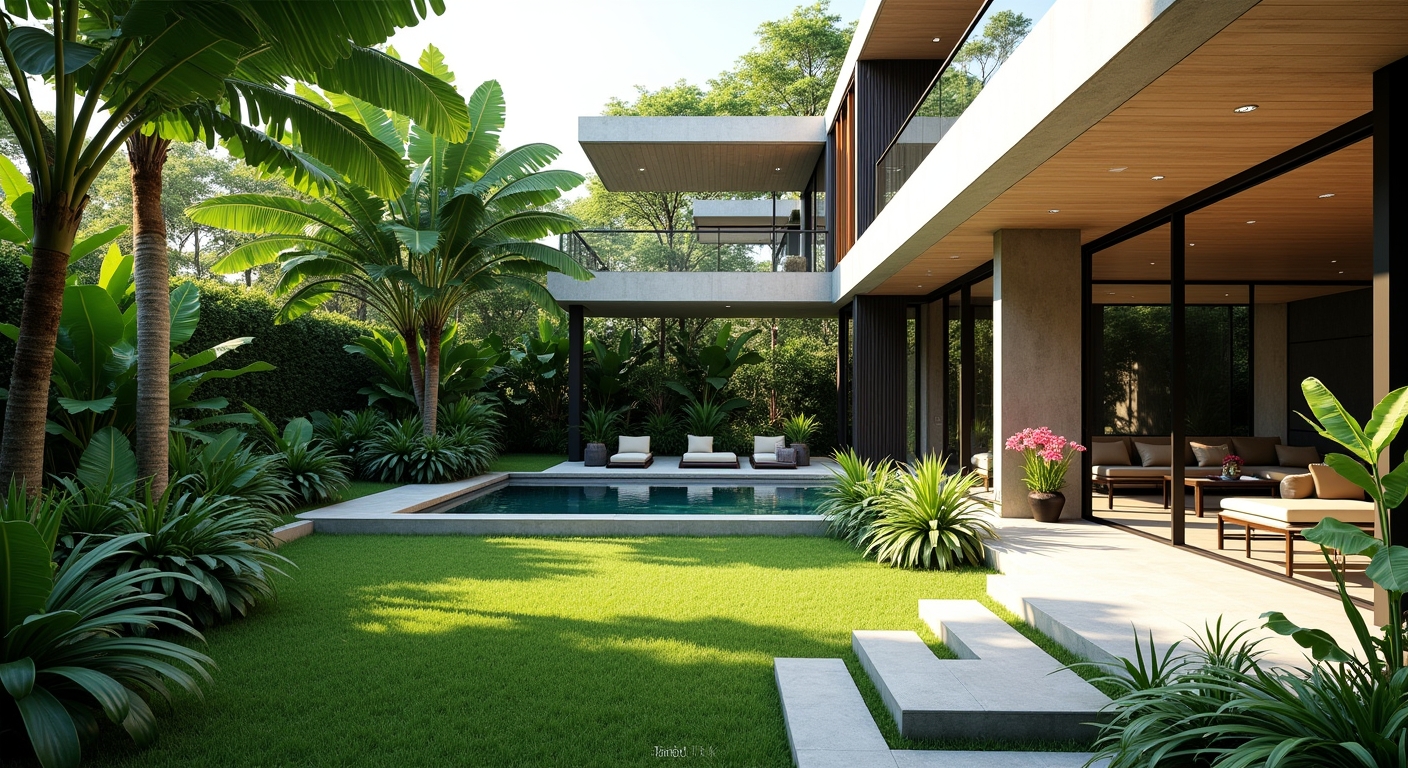

Landscaping Malaysia is not just about making a house look nicer from the street. For Malaysian homeowners, a well-planned garden can cool down outdoor spaces, improve drainage, create a more relaxing place to spend time, and even reduce maintenance problems later. Whether you live in a landed terrace house, semi-D, bungalow, or a smaller home with limited outdoor space, the best landscaping ideas are the ones that suit our hot, humid, rainy climate and your daily lifestyle.
In this guide, we cover practical landscaping ideas for Malaysian homes, suitable plants, low-maintenance garden tips, common mistakes to avoid, and what to think about before starting your project.
Why landscaping matters for Malaysian homes
In Malaysia, outdoor areas face strong sun, heavy rain, fast-growing weeds, and moisture-related issues. A garden that looks attractive for the first month but becomes muddy, overgrown, or difficult to maintain is not a good long-term solution. Good landscaping should balance beauty, function, and easy upkeep.
A well-designed landscape can help you:
- Create shade and reduce heat around the house
- Improve water flow and reduce puddles after rain
- Make small outdoor areas more usable
- Increase privacy from neighbours
- Improve curb appeal for resale or rental value
- Make gardening and maintenance easier
If your outdoor upgrade is part of a bigger home improvement plan, it helps to look at it together with your renovation scope, budget, and layout. You can also read the Home Renovation Guide Malaysia if you are planning exterior works, extensions, fencing, porch upgrades, or drainage improvements at the same time.
Start with how you actually use the space
Before choosing plants, pebbles, timber decking, or a water feature, think about how your family will use the outdoor area. Many landscaping projects fail because homeowners copy a nice-looking garden from social media without considering maintenance, sun exposure, or practical needs.
Ask yourself these questions first
- Do you want a relaxing garden, a play area, or a space for entertaining?
- How much time can you realistically spend on maintenance?
- Does the area get full sun, partial shade, or mostly shade?
- Do you need better drainage?
- Do you want privacy screening from neighbours or the road?
- Do you need to keep some area clear for parking, drying clothes, or walking paths?
- Are there elderly family members or children using the space?
A landscaping plan should fit your lifestyle. A family with pets and children may prefer easy-to-clean paving with durable grass zones, while busy working adults may want potted plants, hardy shrubs, and automatic watering.
Best landscaping ideas for Malaysian homes
The best landscaping ideas in Malaysia usually combine tropical planting with durable hardscape materials and simple zoning. Here are practical options that work well in local homes.
1. Tropical garden with layered planting
This is one of the most suitable styles for Malaysia because it works with the climate instead of fighting it. Layered planting means combining taller plants, mid-height shrubs, and low ground cover to create depth and a lush appearance.
Why it works:
- Looks natural in a tropical setting
- Can create privacy quickly
- Helps reduce bare soil and weeds
- Suitable for front, side, and backyard areas
Examples include palms, heliconias, gingers, cordylines, ferns, and ornamental grasses.
2. Low-maintenance modern landscape
Many terrace and semi-D homeowners prefer a cleaner look with more hardscape and fewer plants. This style often uses concrete pavers, stepping stones, gravel, raised planters, and selected statement plants.
Why it works:
- Easier to maintain than a full lawn
- Looks neat and organised
- Suitable for small homes and urban settings
- Reduces mowing and trimming work
A modern landscape often pairs well with contemporary home design. If you want your indoor and outdoor spaces to feel more connected, the Interior Design Malaysia Guide can help you think about colour palette, materials, and flow between the house and garden.
3. Courtyard or side-yard garden
Many Malaysian homes have narrow side spaces that are underused. With the right planning, these can become calm green pockets using shade-loving plants, wall planters, pebbles, drainage channels, and stepping stones.
This idea is useful for:
- Terrace houses with tight side areas
- Creating a visual feature beside dining or living rooms
- Improving light and ventilation around the house
4. Patio garden for outdoor dining or relaxing
If you like to sit outdoors in the evening, a patio garden can be more useful than a lawn. A simple paved area with built-in benches, potted plants, pergola shade, and warm lighting can turn a basic backyard into a practical living space.
Consider materials that can handle rain and humidity well, such as textured outdoor tiles, concrete, stone, or weather-resistant composite decking.
5. Vertical garden for small spaces
For homes with limited ground area, vertical gardens can add greenery without taking up too much space. They work well on boundary walls, balcony areas, and small courtyards.
However, make sure the wall gets the right amount of light and that irrigation and drainage are planned properly. Poorly designed vertical gardens can become messy and expensive to maintain.
6. Edible garden with herbs and fruiting plants
Some homeowners prefer landscaping that is both attractive and useful. A small edible garden can include pandan, curry leaf, chilli, serai, limau kasturi, daun kesum, and other herbs commonly used in Malaysian cooking.
This works especially well in backyards, kitchen gardens, or sunny corners with raised planter beds or large pots.
7. Water-wise garden with mulch and hardy plants
Even though Malaysia gets regular rain, there are still hot periods where plants dry out quickly, especially in exposed front yards. A water-wise garden uses mulch, shade, efficient irrigation, and plant groupings that reduce water stress.
This does not mean a desert-style garden. It simply means choosing practical plants and reducing wasted water.
Plants suitable for landscaping in Malaysia
Plant choice is one of the biggest factors in how successful your garden will be. In Malaysia’s climate, many tropical plants thrive, but not all are equally easy to maintain. Choose plants based on sunlight, growth rate, root behaviour, and how much leaf litter they produce.
Popular outdoor plants for Malaysian gardens
- Heliconia for tropical colour and height
- Ginger plants for lush foliage and flowers
- Areca palm for screening and soft texture
- Traveller’s palm as a strong focal point in larger gardens
- Ixora for flowering hedges
- Hibiscus for colour and familiar local appeal
- Bird’s nest fern for shady corners
- Monstera and philodendron for modern tropical looks
- Snake plant for low-maintenance edging or pots
- Zoysia or suitable turf grass for lawn areas where sun is adequate
Good choices for low maintenance
- Palms that do not drop too much debris
- Hardy shrubs that hold shape well
- Ground covers that suppress weeds
- Potted tropical foliage plants
- Native or climate-adapted plants
Plants to be careful with
- Large trees too close to drains, walls, or foundations
- Plants with invasive roots
- Very fast-growing species that need frequent trimming
- Delicate imported plants unsuitable for full Malaysian sun
- Plants that attract too many mosquitoes due to water-holding leaves or poor maintenance nearby
Always check the mature size of a plant. A small nursery plant may become too large for a front porch, narrow side path, or near overhead wires.
How to create a low-maintenance garden in Malaysia
Many homeowners want greenery but do not want to spend every weekend cutting, sweeping, spraying, or replacing plants. A low-maintenance garden is usually more about smart design than about using fewer plants.
Practical low-maintenance strategies
- Reduce lawn size
Lawns need mowing, edging, watering, and weed control. Instead of covering the whole yard with grass, use grass only where you need open space.
- Use mulch
Organic mulch helps retain moisture, reduce weeds, and keep the garden looking tidy. It is especially useful around shrubs and planting beds.
- Choose hardy plants
Select species that can tolerate heat, rain, and occasional neglect without constant fertilising or pest treatment.
- Group plants by water and light needs
This makes watering easier and prevents some plants from suffering while others get too much water.
- Install proper drainage
Poor drainage causes muddy soil, root rot, mosquito issues, and damaged paving. Fix drainage before adding decorative elements.
- Use durable hardscape materials
Choose materials that can handle moisture and outdoor wear. Slippery surfaces may look nice but can become unsafe in wet weather.
- Use pots strategically
Potted plants are easier to replace and rearrange. They also work well for entryways, patios, and small homes.
- Plan for maintenance access
Do not plant too tightly against walls, air-con units, drains, or utility areas.
After your garden is completed, regular upkeep still matters. A simple routine for clearing drains, trimming overgrowth, checking outdoor taps, and cleaning surfaces can prevent bigger issues. You may find the Home Maintenance Checklist Malaysia useful for planning seasonal and monthly tasks.
Hardscape ideas that work well in Malaysia
Landscaping is not only about plants. Hardscape elements give structure and make the space more usable.
Useful hardscape features
- Stepping stones for access through planting areas
- Paved patios for seating, dining, or laundry areas
- Raised planters for better organisation and cleaner edges
- Pebble strips for drainage zones and decorative contrast
- Garden edging to separate lawn, beds, and walkways
- Pergolas or shade structures to improve comfort in the afternoon
- Benches for relaxing corners
- Outdoor lighting for safety and ambience
When choosing materials, think about slip resistance, mould growth, staining, and heat absorption. Dark surfaces may become hotter under direct sun, while rougher textures can be safer in rainy conditions.
Landscaping tips for different home types
Terrace houses
Space is limited, so make every zone purposeful. Use wall planters, slim planting beds, raised planters, built-in benches, and potted focal plants. Avoid large trees with aggressive roots.
Semi-D homes
You have more flexibility for side gardens, layered screening, and outdoor seating spaces. Plan clear circulation paths so the space does not feel crowded.
Bungalows
Larger land size allows for lawn areas, feature trees, water elements, and zoned landscapes. Still, maintenance can become expensive if the design is too complex.
Homes with elderly family members
Prioritise non-slip surfaces, gentle level changes, shaded seating, and wider walkways. Avoid sharp-edged planters and loose stones in main walking routes.
Common landscaping mistakes to avoid
- Ignoring drainage and focusing only on appearance
- Choosing plants based only on looks without checking sun and water needs
- Overcrowding the garden with too many small plants
- Planting large trees too close to the house
- Using high-maintenance lawns in spaces that are rarely used
- Forgetting afternoon sun exposure when selecting materials and plants
- Using slippery tiles outdoors
- Not planning lighting and electrical points early
- Underestimating long-term maintenance
Another common mistake is treating landscaping as an afterthought. Outdoor works often overlap with drainage, fencing, porch extension, plumbing, and electrical planning. If you are budgeting for wider home upgrades, it is wise to review overall spending using the House Renovation Cost Malaysia guide.
What to consider before starting a landscaping project
Sun and shade
Observe your outdoor space at different times of the day. A front yard that looks bright in the morning may become extremely hot in the afternoon.
Drainage and soil condition
Check where water collects after rain. If you already have puddles or damp areas, solve those issues first.
Maintenance commitment
Be honest about how much time and effort you can give the garden. A simpler design that stays neat is better than an ambitious landscape that quickly becomes unmanageable.
Budget
Your budget affects plant maturity, hardscape materials, lighting, irrigation, and labour. Prioritise structure and drainage first, then add decorative elements in stages if needed.
Security and privacy
Plants can soften fences and walls, but they should not create hidden areas near entrances or block visibility too much.
Future use
Think ahead. You may later want a children’s play area, EV charging point, outdoor kitchen, or additional storage. Leave room for future needs where possible.
How much landscaping can cost in Malaysia
Landscaping costs in Malaysia vary widely depending on the size of the space, site condition, design complexity, plant selection, hardscape works, and whether drainage or structural work is needed. A simple refresh with potted plants, mulch, and minor paving is very different from a full front-and-backyard transformation with lighting, irrigation, retaining walls, and carpentry.
Instead of looking for a one-size-fits-all number, ask for a detailed quotation that separates:
- Site clearing and preparation
- Drainage work
- Soil improvement
- Plants and turf
- Pavers, decking, or other hardscape
- Lighting and irrigation
- Labour and delivery
- Ongoing maintenance if included
This makes it easier to compare quotations fairly and decide where to spend more or save.
Simple checklist before hiring a landscaper or starting DIY
- Measure the space properly
- Take photos in morning and afternoon light
- List your must-haves and nice-to-haves
- Check drainage and water flow after rain
- Decide how much maintenance you can handle
- Choose a preferred style such as tropical, modern, or mixed
- Shortlist suitable plants for your sun conditions
- Set a realistic budget including maintenance
- Ask for itemised quotations
- Confirm material finishes are suitable for outdoor use
- Plan electrical points for lights or pumps early
- Keep access to drains, taps, and service areas clear
FAQ
What are the best landscaping ideas for Malaysian homes?
The best landscaping ideas for Malaysian homes are usually tropical gardens, low-maintenance modern landscapes, patio gardens, side-yard gardens, vertical gardens for small spaces, and edible gardens with herbs. The best choice depends on your available space, sun exposure, drainage, and how much maintenance you can manage. In Malaysia, it is often better to choose climate-suitable plants and practical hardscape rather than copying designs from cooler countries.
Which plants are suitable for landscaping in Malaysia’s climate?
Suitable plants for Malaysia’s climate include heliconias, gingers, palms, ixora, hibiscus, ferns, philodendron, monstera, and hardy ornamental shrubs. For edible gardens, herbs such as pandan, curry leaf, serai, and chilli can do well. Choose plants based on whether the area gets full sun or shade, and avoid species with invasive roots or very high maintenance needs.
How can I create a low-maintenance garden in Malaysia?
To create a low-maintenance garden in Malaysia, reduce lawn size, use mulch, choose hardy tropical plants, group plants by watering needs, improve drainage, and include more durable hardscape such as pavers and raised planters. It also helps to avoid overcrowding and to leave enough space for trimming and cleaning. A simple design with the right plants is usually easier to maintain than a dense garden with many delicate species.
How much does landscaping cost for a house in Malaysia?
Landscaping cost for a house in Malaysia depends on the size of the area, the amount of hardscape work, plant selection, drainage condition, and labour. A simple update with pots and small planting beds will cost much less than a full landscape build with paving, lighting, irrigation, and custom features. Always request an itemised quotation so you can compare scope properly and avoid hidden costs.
What should I consider before starting a landscaping project in Malaysia?
Before starting a landscaping project in Malaysia, consider sun exposure, drainage, soil condition, maintenance requirements, privacy needs, safety, budget, and how your family will use the space. You should also think about future plans such as renovations, porch extensions, or adding outdoor lighting and seating. Planning these early helps avoid rework and wasted spending.
Conclusion
The best approach to landscaping malaysia homes is to keep the design practical, climate-suitable, and aligned with your lifestyle. A beautiful garden is not only about having more plants. It is about creating an outdoor space that stays attractive, works well in heat and rain, and remains manageable over time.
Start with drainage, sunlight, and how you use the space. Then choose suitable plants, durable materials, and a layout that supports easy maintenance. Whether you want a lush tropical garden, a clean modern front yard, or a simple low-upkeep patio space, good planning will always make the biggest difference.