
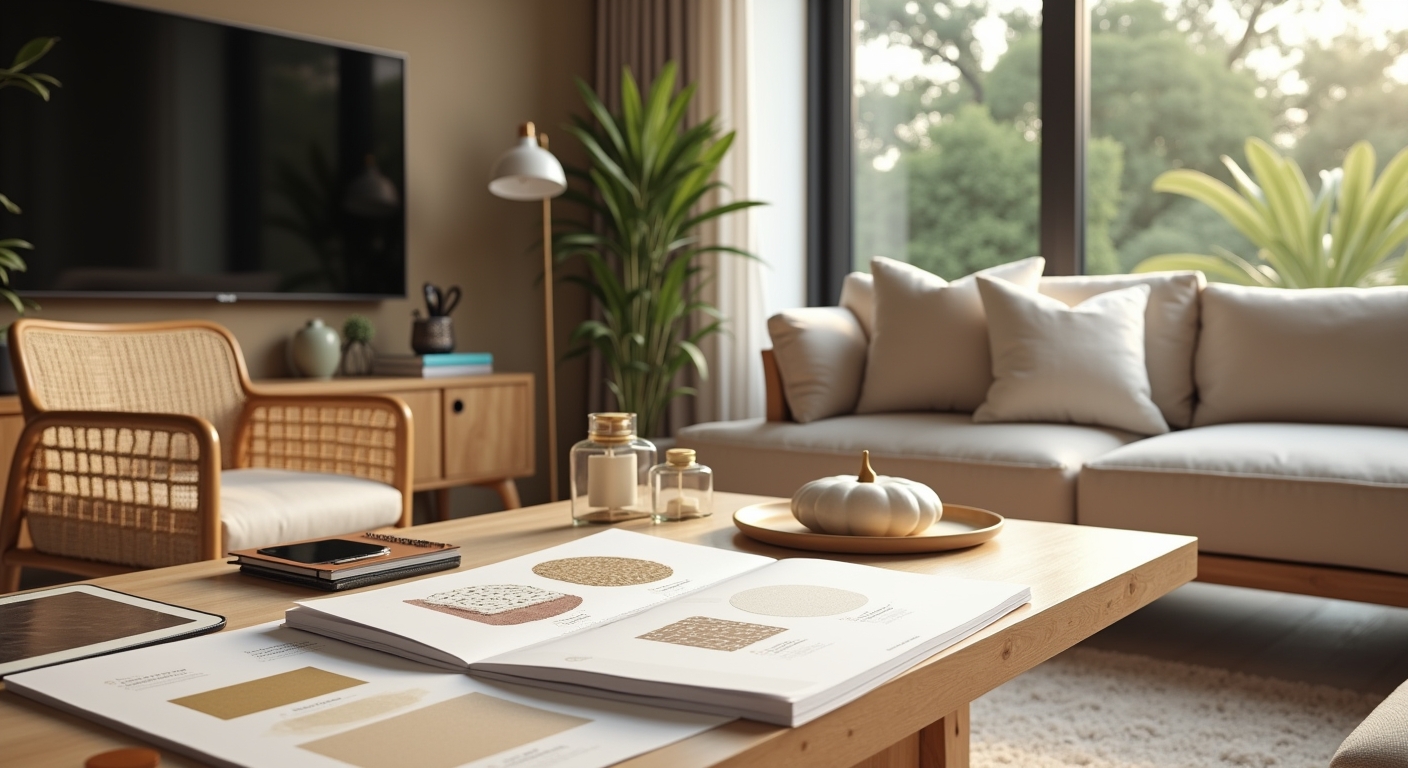

Interior design Malaysia is more than choosing nice colours or buying trendy furniture. For Malaysian homeowners, good interior design means creating a home that suits local weather, family routines, property type, and budget. Whether you live in a condo in Kuala Lumpur, a terrace house in Johor Bahru, or a landed home in Penang, the right design decisions can improve comfort, storage, lighting, and long-term value. This guide explains how interior design works in Malaysia, popular styles, costs, planning tips, common mistakes, and what to expect before you start.
What interior design means for Malaysian homes
Interior design is the planning and styling of indoor spaces so they look good and function properly. In Malaysia, this often includes space planning, built-in carpentry, lighting layout, material selection, colour schemes, kitchen and wardrobe design, and coordination with renovation work.
It is not just about beauty. A well-designed Malaysian home should also consider:
- Heat and humidity throughout the year
- Natural ventilation and sunlight control
- Storage for growing families
- Practical materials for easy cleaning
- Safety for children and elderly family members
- Condo management rules and renovation limits
- Lifestyle needs such as work-from-home spaces
If you are planning broader works, it helps to understand how design fits into renovation. You can also read our Home Renovation Guide Malaysia for a full overview of the process.
Why interior design matters in Malaysia
Many Malaysian homes face similar issues: limited space, poor original layouts, lack of storage, dim lighting, and rooms that feel warm in the afternoon. Interior design helps solve these practical problems while making the home feel more comfortable and personal.
Good design can help you:
- Make a small condo feel bigger
- Create better airflow in warm rooms
- Choose moisture-resistant materials for kitchens and bathrooms
- Add hidden storage to reduce clutter
- Use lighting to improve ambience and visibility
- Plan electrical points for appliances and smart devices
- Improve resale appeal with a cohesive look
For first-time owners, design planning is especially important because mistakes are expensive to undo. Before you begin, you may find our First Homeowner Checklist Malaysia useful.
Common interior design styles in Malaysia
Malaysian homes often mix practicality with visual style. Instead of following one design style too strictly, many homeowners combine features from several looks to match their budget and way of living.
Modern contemporary
This is one of the most popular choices in Malaysia. It usually includes clean lines, simple forms, neutral colours, and uncluttered layouts. It works well for condos and newer landed homes because it feels fresh and easy to maintain.
Typical features include:
- Neutral shades such as white, beige, grey, or warm taupe
- Sleek built-in cabinets
- Minimal decorative items
- Hidden storage
- Simple lighting with a polished look
Scandinavian
Scandinavian style remains popular because it suits small homes. It uses light colours, wood tones, soft textures, and functional furniture. Many Malaysians like it because it creates a bright, calm, airy feeling.
However, it is best adapted for local living. Pure white furniture and delicate fabrics may be harder to maintain in busy family homes.
Minimalist
Minimalist interiors focus on less visual clutter, fewer materials, and clear open spaces. This style works well if you prefer a tidy home and are willing to keep possessions under control. In Malaysia, minimalist homes often rely on custom carpentry to hide storage and maintain a clean look.
Industrial
Industrial design uses darker tones, cement finishes, metal details, exposed textures, and a more raw urban feeling. It can look striking, but it should be balanced carefully in Malaysia because too many dark surfaces may make a room feel warmer or smaller.
Japandi
Japandi combines Japanese simplicity with Scandinavian warmth. It suits Malaysian homes very well because it is calm, practical, and space-efficient. Soft wood tones, muted colours, and thoughtful furniture choices make this style popular for condos and family homes.
Luxury modern
This style uses elegant finishes, feature walls, layered lighting, large-format tiles, glass, stone-look surfaces, and customised cabinetry. It can create a premium feel, but it requires careful planning to avoid looking overdone.
How to choose the right style for your home
The best style is not always the trendiest one. It should match your home layout, daily habits, and maintenance expectations.
Ask yourself:
- Do you prefer a bright and airy home or a cosy darker mood?
- Do you cook often and need a durable kitchen?
- Do you have young children who need safer edges and easy-clean surfaces?
- Do you work from home and need a quiet study corner?
- Do you want loose furniture or more built-in storage?
- How much time do you want to spend cleaning?
For example, a couple living in a small Petaling Jaya condo may prefer a Scandinavian or Japandi approach with multi-use furniture and bright finishes. A larger family in a Shah Alam terrace home may need a more practical modern design with extensive storage, durable flooring, and a family dining layout.
Interior design for different home types in Malaysia
Condos and apartments
Condos usually have limited floor area, fixed wet areas, and management restrictions. Design priorities often include space-saving carpentry, multipurpose furniture, mirror use, layered lighting, and kitchen optimisation.
Useful ideas:
- Built-in shoe storage near the entrance
- Dining benches with hidden storage
- A study nook integrated into the living area
- Full-height cabinets to maximise vertical space
- Sliding doors where possible to save swing space
Terrace houses
Terrace houses often need better natural light, ventilation, and flow between front, middle, and back zones. Many owners also want kitchen extensions, dry and wet kitchen separation, and better family gathering spaces.
Useful ideas:
- Open-plan living and dining layout
- Lighter wall colours to brighten deeper spaces
- Ventilation blocks or windows where allowed
- Durable flooring for higher foot traffic
- Smart storage under stairs
Semi-D and bungalow homes
Larger homes provide more design freedom, but they also require stronger planning to keep spaces cohesive. Focus on zoning, lighting, furniture scale, and long-term maintenance, especially if you have multiple floors.
Key elements of good interior design
Space planning
This is the foundation of any successful design. A beautiful home that feels cramped or awkward will not work well. Space planning decides furniture placement, walking paths, storage layout, and room functions.
Lighting
Many Malaysian homes rely too much on a single ceiling light. Better interiors use layered lighting:
- General lighting for overall brightness
- Task lighting for kitchen counters, study desks, and mirrors
- Accent lighting for shelves, art, or feature walls
Warm or neutral lighting is usually more welcoming for living spaces, while brighter task lighting works better in kitchens and bathrooms.
Materials and finishes
Material choice matters a lot in Malaysia because of humidity, stains, heat, and cleaning needs. Practical options often include:
- Quartz or solid surfaces for kitchen counters
- Moisture-resistant laminates for cabinets
- Porcelain tiles for easy maintenance
- Washable paint finishes
- Water-resistant flooring in suitable areas
Storage
Malaysian households often need more storage than expected, especially for festive items, cleaning tools, luggage, children’s belongings, and kitchen equipment. Plan storage based on real needs, not just appearance.
Ventilation and thermal comfort
A stylish room that traps heat is not enjoyable. Window treatments, fan placement, air-conditioning position, and airflow all affect comfort. Design should support cooler, more breathable interiors where possible.
What interior designers usually do in Malaysia
The scope can vary, but many interior designers in Malaysia typically help with:
- Concept and style development
- Layout and space planning
- 3D drawings or visualisations
- Material and colour selection
- Custom carpentry design
- Lighting and ceiling planning
- Coordination with contractors and suppliers
- Project management for installation or fit-out
Some firms offer design-only services, while others handle design and renovation together. Always clarify what is included before signing anything.
Interior design cost considerations in Malaysia
Interior design cost in Malaysia depends on many factors: property size, level of custom work, materials, room count, and whether renovation works are involved. A design concept for a small apartment will be very different from a full fit-out for a double-storey landed home.
Common cost drivers include:
- Built-in carpentry for kitchen, wardrobe, TV cabinet, or study units
- Wet works such as tiling, hacking, plumbing, and bathroom changes
- Electrical rewiring and lighting additions
- Ceiling design and plaster work
- Premium surfaces and finishes
- Loose furniture, curtains, and décor styling
- Project management and coordination scope
It is wise to split your budget into design, renovation works, furniture, appliances, and contingency. For broader budgeting context, see our House Renovation Cost Malaysia guide.
How to prepare before hiring an interior designer
The more prepared you are, the smoother the project will be. Before meeting designers, collect the basic information they will need.
Prepare these items first
- Floor plan or property layout
- Photos or videos of the current space
- Inspiration images of styles you like
- List of priorities such as more storage or a larger kitchen
- Your estimated budget range
- Target timeline for move-in or completion
- Special requirements such as elderly-friendly bathrooms or pet-friendly materials
Questions to ask a designer
- What services are included in the fee?
- Do you handle renovation coordination?
- What is your typical project timeline?
- How do variations or extra works get approved?
- What materials do you recommend for my lifestyle?
- Can you work within my budget range?
Practical tips for successful interior design projects
- Start with function first. Think about how each room will be used daily before choosing colours and decorative items.
- Invest in high-use areas. Kitchens, wardrobes, bathrooms, and living rooms usually deserve more planning because you use them often.
- Keep future maintenance in mind. Highly textured surfaces, open shelving, and delicate finishes may look good but require more cleaning.
- Plan electrical points early. Consider TV locations, desk setups, kitchen appliances, chargers, and future smart home devices.
- Allow a buffer in your budget. Unexpected changes can happen, especially in older homes.
- Choose timeless base finishes. Trendy colours can be added through loose furniture, rugs, art, or soft furnishings.
If you plan to integrate automation, lighting control, or security features, our Smart Home Guide Malaysia can help you coordinate those ideas early in the design stage.
Mistakes to avoid
- Copying social media designs without considering your lifestyle. A beautiful photo may not suit your family routine.
- Ignoring storage needs. This is one of the most common regrets after moving in.
- Using too many dark finishes in small spaces. This can make rooms feel more enclosed.
- Choosing materials based only on looks. Durability matters in humid conditions.
- Not checking condo rules. Some buildings restrict hacking, delivery times, and wet works.
- Underestimating appliances and furniture dimensions. Always confirm sizes before finalising carpentry.
- Rushing the layout. Poor planning is harder to fix than paint colour.
It also helps to think beyond aesthetics. Appliance placement, maintenance access, and practical cleaning routines should be part of your design decisions. After moving in, regular upkeep becomes easier with a clear system, such as a home maintenance checklist.
Interior design checklist for Malaysian homeowners
Use this checklist before starting your project:
- Define your home style and must-have features
- Set a realistic budget with contingency
- Prepare floor plans and inspiration images
- List room-by-room priorities
- Decide what can be built-in and what can be bought later
- Review lighting, sockets, and appliance needs
- Choose practical materials for humid weather
- Ask about timeline, payment stages, and defect handling
- Confirm all drawings and specifications before work starts
- Check management approvals if you live in a condo
FAQ
What is the average cost of interior design in Malaysia?
There is no single average that fits every project because costs depend on size, scope, materials, and whether renovation work is included. A basic design consultation for a small unit is very different from a full design-and-build package for a landed property. In Malaysia, the main cost factors are built-in carpentry, kitchen work, bathrooms, lighting, flooring, ceiling design, and customised finishes. The best approach is to decide your budget range first, then ask for a detailed breakdown of design fees, renovation works, furniture, appliances, and contingency.
How do I choose the right interior design style for my home in Malaysia?
Start with your lifestyle instead of trends. Think about your family size, storage needs, cleaning habits, and property type. For example, a small condo may benefit from bright colours and space-saving furniture, while a landed home may need more family-friendly storage and durable finishes. Also consider natural light, ventilation, and how much maintenance you are willing to do. Save a few inspiration images, identify common elements, and ask whether those ideas are practical for Malaysian weather and daily use.
What should I prepare before hiring an interior designer in Malaysia?
Prepare your floor plan, inspiration images, photos of the existing space, a list of must-have items, and your estimated budget. You should also note your timeline, move-in date, and any important needs such as pet-friendly flooring, a home office, elderly-friendly features, or extra kitchen storage. The clearer your brief, the easier it is for a designer to suggest suitable solutions and avoid unnecessary revisions.
Is interior design worth it for small homes and condos in Malaysia?
Yes, it can be especially worthwhile for small homes because every square foot matters. Good interior design can improve layout, storage, lighting, and furniture planning so the space feels larger and works better. In many Malaysian condos, thoughtful built-ins, multipurpose areas, and practical material choices can make daily living much more comfortable. A small home often benefits more from careful planning than a larger one because mistakes are more noticeable when space is limited.
What is the difference between interior design and renovation in Malaysia?
Interior design focuses on planning the space, look, function, materials, lighting, and furniture layout. Renovation is the physical work that changes or builds the space, such as hacking, tiling, wiring, plumbing, painting, ceiling installation, and carpentry fabrication. In practice, many Malaysian projects involve both. A designer may create the concept and drawings, while contractors carry out the renovation work. Some firms offer both services together, but you should always confirm the scope clearly.
Conclusion
Interior design in Malaysia works best when it balances style with daily practicality. A home should not only look nice in photos but also feel comfortable in local weather, support your family routine, and stay easy to maintain over time. Whether you are furnishing a compact condo or planning a full landed house makeover, start with layout, storage, lighting, and realistic budgeting. With clear priorities and the right guidance, you can create a home that feels modern, useful, and truly suited to Malaysian living.