
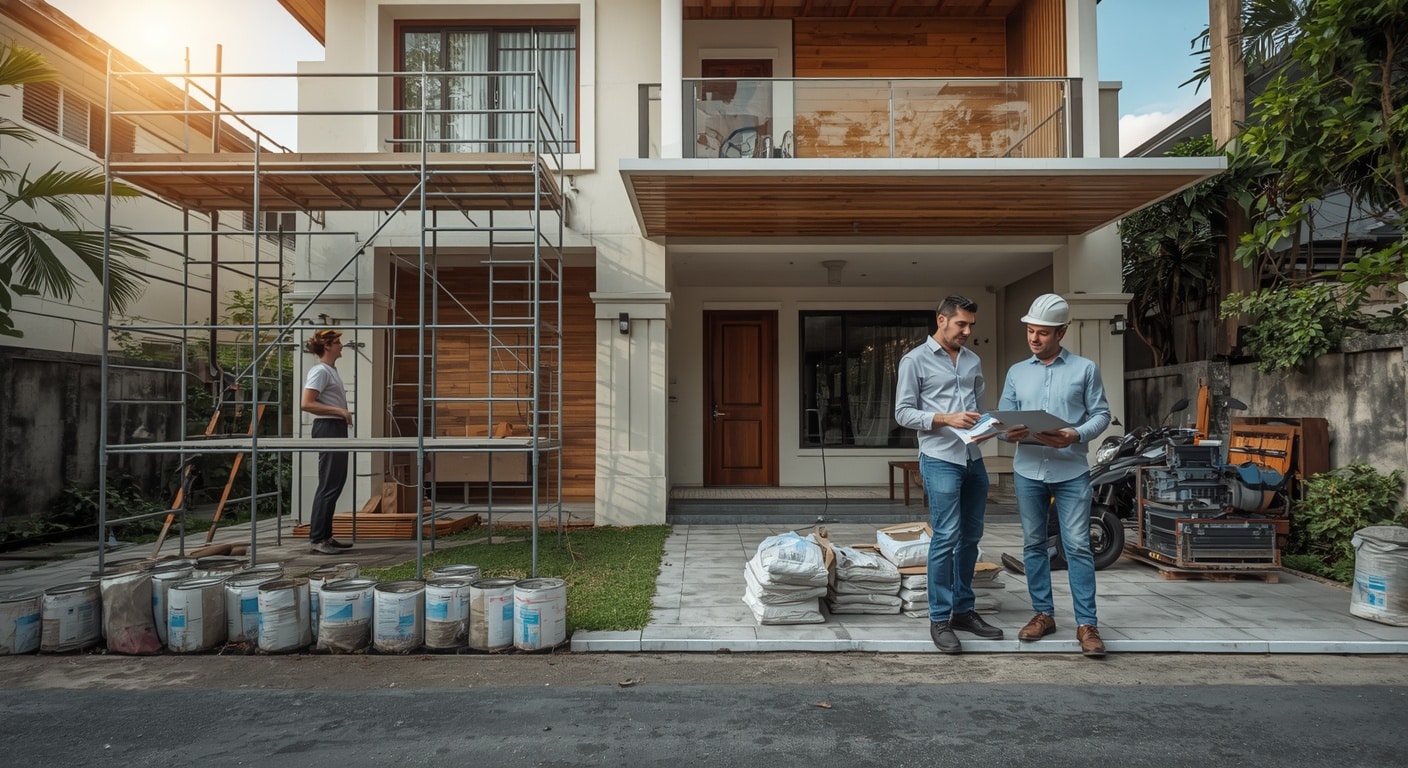
Understanding renovation cost malaysia is one of the most important steps before you hack a wall, order cabinets, or hire a contractor. Whether you are renovating a new condo, upgrading a terrace house, or refreshing an older family home, costs in Malaysia can vary a lot depending on property type, scope of work, materials, location, and workmanship. This guide breaks down the main cost factors, realistic budgeting methods, common renovation categories, and practical ways to control spending without sacrificing quality.
If you are planning a full project from scratch, it also helps to read a broader Home Renovation Guide Malaysia so you can align your design ideas, timeline, and budget early.
Why renovation costs vary so much in Malaysia
Many homeowners expect a simple price per square foot, but house renovation is rarely that straightforward. Two homes with the same built-up size can have very different costs because one may need only painting and lights, while the other may involve hacking, rewiring, plumbing relocation, custom carpentry, wet works, and approvals.
In Malaysia, renovation cost is usually shaped by a combination of these factors:
- Property type: Condo, apartment, terrace, semi-D, bungalow, and old village house renovations all have different site conditions and access issues.
- Condition of the property: A bare unit from a developer is different from an older home with hidden defects.
- Scope of work: Cosmetic improvements cost far less than structural changes.
- Material quality: Imported tiles, stone tops, premium sanitary ware, and custom finishes increase cost.
- Design complexity: Curved details, feature ceilings, concealed systems, and bespoke carpentry take more labour and time.
- Location: Labour, transport, building management rules, and contractor availability differ across Klang Valley, Penang, Johor Bahru, and other areas.
- Timing: Urgent work, festive peak seasons, or phased renovation can affect labour rates and coordination costs.
Main renovation cost components
A practical budget should be split into categories instead of one lump sum. This makes it easier to compare quotations and spot overspending.
1. Demolition and hacking
This covers removing tiles, cabinets, ceilings, old wiring points, sanitary fittings, walls where permitted, and debris disposal. Older homes may cost more because dismantling is slower and there may be concealed issues behind existing finishes.
2. Masonry and wet works
Wet works include brick walls, plastering, screeding, tiling, waterproofing, bathroom upgrades, and some kitchen changes. Bathrooms are often expensive because multiple trades are involved and mistakes can lead to leakage.
3. Electrical works
Electrical renovation may include new wiring, DB box upgrades, power points, lighting points, water heater points, air-conditioner isolators, exhaust fan points, doorbell systems, and internet/data points. Homes with outdated wiring may need major rewiring for safety.
4. Plumbing and sanitary works
This includes relocating sinks, toilets, showers, floor traps, bidets, water heaters, filtration systems, and piping. If you move wet areas or change kitchen layout significantly, plumbing costs can rise quickly.
5. Ceiling and lighting
Plaster ceiling, L-boxes, cove lighting, downlights, track lights, and feature lighting all add to the total cost. Decorative ceilings can look attractive, but they also increase complexity and future maintenance.
6. Flooring and wall finishes
Common choices in Malaysia include porcelain tiles, homogeneous tiles, SPC flooring, vinyl, laminate, engineered timber, and paint. The cost depends on product grade, underlay, installation method, and floor levelling needs.
7. Carpentry and built-ins
Custom kitchen cabinets, wardrobes, TV consoles, shoe cabinets, study tables, island counters, and storage niches are usually among the biggest line items. Finishing options such as laminate, melamine, spray paint, veneer, quartz, and solid surface affect pricing.
8. Doors, windows, grilles, and metal works
Landed homes may need autogates, fencing, awnings, grille work, polycarbonate roofing, and security doors. Condos may focus more on bedroom doors, shower screens, and balcony decking where allowed.
9. Painting and final finishing
Painting seems simple, but prep work matters. Wall repair, skim coat, sealer, mould treatment, and good paint systems make a visible difference, especially in humid Malaysian conditions.
10. Professional fees and approvals
Depending on the project, you may need interior design services, drawings, management deposits for condo renovation, local authority submissions, or permits for specific works. Always confirm whether these are included in the quotation.
Typical renovation scope by property type
Condo and apartment
Condo renovation is often shaped by management rules. There may be limits on hacking hours, debris handling, lift protection, contractor registration, and water shutoff timing. While a condo may have a smaller area, access restrictions and management compliance can add cost or delay.
Typical condo works include:
- Kitchen cabinets and countertop
- Wardrobes and storage carpentry
- Lighting, fans, and electrical points
- Plaster ceiling
- Bathroom upgrades
- Painting
- Floor finish changes if allowed
Terrace and landed homes
Landed homes often involve more external work and larger wet areas. Owners may add porch extension, backyard roof, gate automation, fencing, drainage, and landscaping. Older terrace homes may also need rewiring, roof repair, termite treatment, or plumbing replacement.
If you are upgrading the outdoor area too, ideas from Landscaping Ideas Malaysia can help you set aside a separate budget for the garden, porch, and side yard instead of mixing everything into the indoor renovation cost.
Realistic budgeting approach for Malaysian homeowners
The safest way to plan renovation cost malaysia is to build your budget in layers.
- Base renovation budget: Essential works needed to make the home functional and safe.
- Comfort upgrades: Better storage, nicer finishes, improved lighting, additional power points, and better kitchen layout.
- Lifestyle upgrades: Smart home devices, feature walls, wine area, home office fit-out, premium appliances, or decorative details.
- Contingency: Keep a buffer for unforeseen works, especially in older houses.
This layered approach helps you trim non-essential items first if quotations come in above budget.
Example budget categories to prepare
| Category | What to include |
|---|---|
| Essential works | Electrical, plumbing, waterproofing, basic lighting, painting, defects repair |
| Functional built-ins | Kitchen cabinets, wardrobes, bathroom fittings, storage |
| Finishes | Flooring, tiles, wall paint, doors, countertops |
| Appliances and fittings | Hob, hood, oven, fridge, water heater, air-conditioners, fans |
| External works | Gate, awning, grille, roof repair, drainage, landscape |
| Professional and admin | Design fees, permits, condo deposits, cleaning |
| Contingency | Reserve for variation orders and hidden issues |
What affects renovation cost the most
While every project is different, several decisions usually have the biggest impact on total cost.
Layout changes
Moving a kitchen sink, changing bathroom layout, relocating walls, or shifting door openings usually triggers extra hacking, finishes repair, plumbing, and electrical changes.
Custom carpentry
Full-height storage, tall units, kitchen islands, hidden appliances, and premium finishes can consume a large part of the budget. Carpentry is worth it when it improves daily living, but oversized built-ins can quickly turn into cost drivers.
Bathrooms and kitchen
These spaces involve multiple trades, fittings, waterproofing, and precision. Even a modest bathroom upgrade can cost more per square foot than a bedroom refresh.
Material selection
Choosing quartz instead of laminate, large-format tiles instead of standard tiles, or branded fittings instead of entry-level products can raise costs significantly. This does not mean you must choose the cheapest option, but every upgrade should be intentional.
Older house condition
For subsale or inherited homes, hidden issues such as dampness, cracked pipes, rotten timber, uneven floors, old wiring, and roof leaks can lead to additional work after the project starts.
Kitchen renovation budgeting in Malaysia
The kitchen is often the heart of the renovation budget because it combines carpentry, electrical points, plumbing, tiles or backsplash, countertop materials, sink and tap selection, and appliances. A practical kitchen budget should separate cabinets from appliances so you do not underestimate the final amount.
Common kitchen cost drivers include:
- Cabinet length and height
- Internal accessories such as pull-out trays and pantry units
- Countertop material
- Wall finishes and backsplash
- Extra sockets for appliances
- Hob, hood, oven, dishwasher, water filter, and fridge selection
Before buying your equipment, compare practical features and maintenance needs with this guide to Best Home Appliances Malaysia. Appliances can quietly absorb a large share of your renovation budget if you decide too late.
Condo vs landed house: which is cheaper to renovate?
In general, a smaller condo may have a lower total renovation bill because there is less floor area and fewer external works. However, a landed home is not always more expensive in every category. A simple single-storey terrace cosmetic renovation may cost less than a design-heavy condo with premium carpentry throughout.
Condo renovation may cost more per square foot because of lift access, house rules, limited work hours, protection requirements, and smaller working areas for contractors.
Landed house renovation may cost more in total because there are more spaces to upgrade and possible outdoor works such as gate, roof extension, external plumbing, and drainage.
The better question is not only which is cheaper, but which scope is really necessary for your lifestyle and property condition.
Mistakes that make renovation costs spiral
- Starting without a clear scope: Too many mid-project decisions lead to variation orders.
- Choosing solely by lowest quotation: Missing items, poor workmanship, and cheap materials can cost more later.
- Ignoring hidden repairs: Old homes often need electrical, plumbing, waterproofing, or roof repair first.
- Overdesigning every room: Spend more on high-use spaces and simplify secondary areas.
- Buying materials separately without coordination: Wrong dimensions or delayed deliveries can disrupt the project.
- Not checking management rules: Condo fines, deposit issues, and rejected works can be costly.
- Skipping maintenance thinking: Some trendy finishes are harder to clean or repair in Malaysia’s humid climate.
How to reduce renovation costs without lowering quality
Saving money does not always mean choosing the cheapest option. It means spending where it matters most.
Prioritise high-impact areas
Focus your budget on kitchen workflow, bathroom waterproofing, electrical safety, storage, ventilation, and durable finishes. These affect everyday comfort more than decorative extras.
Keep the existing layout where possible
If your sink, toilet, and major walls already work well, retaining them can reduce hacking, plumbing relocation, and retiling costs.
Mix premium and standard materials
Use better materials where wear is highest, such as kitchen countertop, bathroom fittings, and flooring in busy areas. Save on less visible zones such as store rooms or spare bedrooms.
Standardise dimensions
Custom shapes and unusual sizes often cost more. Straightforward cabinet modules, regular tiles, and standard door sizes can improve value.
Plan appliances and smart features early
If you want smart locks, smart lighting, CCTV points, or home automation, decide during the electrical planning stage. Last-minute additions are usually more expensive. For planning ideas, see the Smart Home Guide Malaysia.
Request itemised quotations
An itemised quote helps you compare like for like and remove optional items more easily. It also reduces disputes over what is or is not included.
Simple renovation checklist before you commit
- Define your must-have items and nice-to-have items
- Measure your spaces properly
- Decide whether you need designer input or contractor-only execution
- List your appliance sizes before finalising carpentry
- Check building management rules and deposits
- Ask whether quotation includes debris disposal, touch-up, and final cleaning
- Confirm timeline and payment schedule clearly
- Set aside contingency for unforeseen works
- Inspect electrical and plumbing condition in older homes
- Think about long-term cleaning and maintenance
After renovation, ongoing upkeep matters too. A practical Home Maintenance Checklist Malaysia can help you protect your investment and prevent expensive repairs later.
Questions to ask before accepting a quotation
- What exactly is included and excluded?
- Are materials and brands stated clearly?
- Are drawings or 3D visuals part of the package?
- How are variation orders priced and approved?
- Who handles permits, management submissions, and deposits?
- What is the expected project timeline?
- What warranty or defect liability period is provided?
- How many site visits or progress updates will I receive?
It is also useful to compare scope benchmarks with this more focused resource on House Renovation Cost Malaysia if you want a second reference point while budgeting.
FAQ
How much does house renovation cost in Malaysia?
House renovation cost in Malaysia depends on property size, condition, scope, materials, and location. A light cosmetic refresh usually costs far less than a full renovation involving plumbing, electrical rewiring, bathrooms, kitchen carpentry, flooring, and wet works. The best way to estimate your budget is to list your required works by category and get itemised quotations based on the same scope.
What affects renovation cost in Malaysia the most?
The biggest cost factors are layout changes, kitchen and bathroom upgrades, carpentry, material selection, and hidden defects in older homes. For condos, management restrictions and access can also affect labour and timeline.
How much should I budget for a kitchen renovation in Malaysia?
Your kitchen budget should cover cabinets, countertop, sink and tap, electrical points, plumbing adjustments, backsplash or wall finishes, lighting, and appliances. If you want premium fittings or custom storage features, budget more room for carpentry and accessories. Separate appliance spending from renovation works so your total is more accurate.
Is it cheaper to renovate a condo or landed house in Malaysia?
A condo may have a lower total cost if the built-up area is smaller, but it may cost more per square foot because of access restrictions and management rules. A landed house may cost more overall due to outdoor works, larger spaces, and older infrastructure. The actual answer depends more on renovation scope than property type alone.
How can I reduce renovation costs without lowering quality?
Keep the existing layout where practical, focus on high-use areas, mix premium and standard materials wisely, request itemised quotations, and finalise appliances and electrical needs early. Avoid unnecessary custom details and spend on workmanship, waterproofing, safety, and durability first.
Conclusion
Planning renovation cost malaysia properly is less about finding a single number and more about understanding what drives the cost of your specific home. Kitchens, bathrooms, carpentry, wet works, and layout changes usually have the strongest impact. By setting priorities, comparing itemised quotations, and keeping a contingency buffer, you can renovate with more confidence and fewer surprises.
The smartest budget is one that balances function, durability, and long-term value. Spend on what improves daily living, avoid costly impulse upgrades, and make sure your renovation scope matches your real needs as a Malaysian homeowner.


