
A good Home Renovation Guide Malaysia should help homeowners plan clearly before spending money, signing with a contractor, or starting hack work. In Malaysia, renovation decisions often involve budget limits, local council rules, strata management approvals, weather considerations, and practical lifestyle needs. Whether you are moving into a new condo, updating an old terrace house, or improving a family home for comfort and value, the best renovation starts with proper planning, realistic expectations, and a step-by-step approach.
This guide covers budgeting, permits, contractor selection, renovation priorities, common mistakes, and useful tips for Malaysian homes. If you want a broader overview, you can also read this Home Renovation Guide Malaysia resource for related planning advice.
Why renovation planning matters in Malaysia
Many homeowners focus on tiles, paint colours, or kitchen cabinets first, but renovation success usually depends on what happens before work starts. In Malaysia, renovation work may involve local authority requirements, management office approvals for condos and apartments, delivery restrictions, security deposits, neighbour complaints, and contractor scheduling issues during festive periods or monsoon months.
Proper planning helps you:
- Set a realistic budget and avoid overspending
- Prioritise safety, waterproofing, wiring, and plumbing before cosmetic upgrades
- Reduce delays caused by missing approvals or material shortages
- Choose finishes suitable for Malaysia’s heat, humidity, and heavy rain
- Prevent disputes with contractors over scope, timeline, and payment terms
- Make sure the renovation improves daily living, not just appearance
Step 1: Define your renovation goals clearly
Before asking for quotations, decide what you are trying to achieve. Different goals lead to different budgets and design choices.
Common renovation goals for Malaysian homeowners
- Make an old home more liveable by upgrading bathrooms, wiring, plumbing, flooring, and kitchen layout
- Improve comfort with better ventilation, insulation, lighting, storage, and air-conditioning placement
- Increase property value with practical upgrades that appeal to future buyers or tenants
- Adapt the home for family needs such as elderly-friendly bathrooms, study areas, or extra storage
- Refresh the look through paint, carpentry, lighting, and interior styling
Write your goals down and separate them into three categories:
- Must-have items such as roof leaks, bathroom waterproofing, unsafe wiring, broken windows, or kitchen functionality
- Should-have items such as built-in wardrobes, better lighting, feature walls, or island counters
- Nice-to-have items such as decorative panels, premium finishes, or outdoor enhancements
This simple exercise helps prevent budget blowouts.
Step 2: Set a realistic renovation budget
Your budget should include more than just contractor work. In Malaysia, many homeowners forget to account for council submissions, strata deposits, design fees, air-conditioner relocation, custom carpentry, appliances, and contingency costs.
A practical renovation budget often includes:
- Main contractor or specialist contractor costs
- Design fees if using an interior designer
- Permits and management approvals where required
- Demolition and disposal of debris
- Electrical and plumbing upgrades
- Wet works such as tiling, plastering, and waterproofing
- Carpentry and built-ins
- Lighting, fans, switches, and fittings
- Sanitary ware and kitchen accessories
- Appliances and furniture
- Cleaning after renovation
- Contingency fund for unexpected issues
For a more detailed cost breakdown, read House Renovation Cost Malaysia. It is useful when comparing quotations and estimating how much work fits your budget.
Budgeting tips
- Keep a contingency of at least 10% to 20% for surprises such as hidden pipe issues or wall repairs
- Spend first on structure, waterproofing, plumbing, wiring, and ventilation
- Avoid using all your cash on finishes and leaving nothing for essential rectification
- Compare quotations based on scope, materials, brand specifications, and workmanship terms
- Ask whether prices include delivery, disposal, hacking, testing, touch-ups, and site protection
Step 3: Know whether permits or approvals are needed
One of the most overlooked parts of any renovation is approval. In Malaysia, requirements vary depending on whether you live in a landed property, condo, apartment, or gated community, and also by local authority rules.
Situations where approvals may be needed
- Structural changes such as removing walls or extending spaces
- House extensions, awnings, pergolas, roofing additions, or porch modifications
- Facade changes visible from outside
- Major electrical upgrades
- Renovation work in condos and apartments requiring management approval
- Works involving wet areas, hacking, disposal, or restricted working hours
For strata homes such as condos, management offices commonly require renovation forms, contractor registration, deposit payments, work schedule details, and lift protection arrangements. For landed homes, local council approval may be required for extensions or external structures. Always check before work starts rather than relying only on a contractor’s verbal assurance.
Practical advice on permits
- Ask your local council or building management directly what documents are required
- Get approval responsibility stated in writing in your quotation or contract
- Do not assume small works are automatically allowed
- Keep copies of submissions, drawings, receipts, and approval letters
- Avoid unapproved structural changes that can create legal and safety problems later
Step 4: Choose the right contractor or designer
Finding a reliable renovation contractor in Malaysia can make the difference between a smooth project and months of stress. The cheapest quotation is not always the best. Good contractors communicate clearly, provide realistic timelines, explain material choices, and document the scope properly.
What to check before hiring
- Company registration and business details
- Past project photos relevant to your home type
- Client references or reviews
- Clear quotation with itemised scope
- Timeline with milestones
- Payment schedule tied to progress, not vague promises
- Who supervises the site daily
- Warranty or defect liability terms
- Whether the contractor handles permit or management submission
Questions to ask a contractor
- What exactly is included and excluded in this quotation?
- Which materials, brands, or thicknesses will be used?
- How long will each phase take?
- How will variation orders be priced and approved?
- Who should I contact if there is a problem on site?
- How do you protect existing floors, lifts, corridors, or neighbouring units?
If your project involves layout planning, finishes, lighting concepts, and space optimisation, reading an Interior Design Malaysia Guide can help you decide whether you need a designer, a design-and-build firm, or only a contractor.
Step 5: Prioritise the right renovation works
Many homeowners regret spending too much on decorative features while ignoring leaking roofs, poor drainage, failing waterproofing, or old wiring. The best approach is to renovate in the right order.
Recommended renovation priority order
- Structural and safety issues such as cracks, roof problems, unsafe railings, or termite damage
- Waterproofing and leaks in bathrooms, balconies, roofs, and wet kitchens
- Electrical and plumbing upgrades before walls are closed or tiles are installed
- Space planning including wall hacking, room layout, storage planning, and door positions
- Wet works such as cement, plaster, tiling, screed, and drainage adjustments
- Ceiling, paint, and basic finishes
- Carpentry and built-ins
- Lighting, fittings, appliances, and styling
What should you renovate first?
In a typical Malaysian home, start with issues that affect safety, comfort, and long-term cost. For example:
- A leaking bathroom should come before new bedroom wardrobes
- Old electrical wiring should come before decorative lighting upgrades
- Poor kitchen layout should be solved before buying expensive appliances
- Roof leaks and drainage issues should come before repainting external walls
Room-by-room renovation considerations
Kitchen
The kitchen is one of the most heavily used spaces in Malaysian homes. Think about cooking habits, ventilation, grease control, storage, and easy cleaning. Wet and dry kitchen separation is popular in landed homes. Consider durable countertop materials, enough power points, task lighting, and a practical sink position.
Bathroom
Bathrooms should prioritise waterproofing, floor gradient, slip resistance, ventilation, and easy maintenance. Poor workmanship here often leads to costly repairs. If elderly family members live at home, consider grab bars, curbless shower access, and better lighting.
Living and dining areas
Focus on airflow, natural light, storage, and furniture layout. In Malaysia’s climate, cross ventilation and sun control matter. Avoid overbuilding fixed features that reduce flexibility.
Bedrooms
Built-in wardrobes, blackout curtains, lighting layers, and good air-conditioning positioning can make bedrooms far more comfortable. Plan enough sockets for charging and work-from-home use.
Outdoor areas
Porches, gates, and gardens should suit rain, heat, and maintenance needs. Drainage is especially important. If you want to improve curb appeal, practical planting and surface choices matter more than décor alone. You may also explore ideas from this Landscaping Ideas Malaysia guide for outdoor planning inspiration.
Typical renovation timeline in Malaysia
Every project differs, but timing depends on approval processes, scope of work, labour availability, weather, custom materials, and whether the property is vacant.
| Renovation Type | Typical Scope | Possible Timeline |
|---|---|---|
| Light cosmetic refresh | Paint, lighting, minor repairs, simple fixtures | About 1 to 3 weeks |
| Moderate renovation | Kitchen, bathrooms, flooring, some carpentry | About 4 to 8 weeks |
| Major renovation | Extensive hacking, rewiring, plumbing, custom carpentry | About 2 to 4 months or longer |
| Extension or structural works | Landed house additions, roof, external works | Varies widely depending on approvals and complexity |
Even a well-managed project can face delays from rain, material shortages, rework, or permit issues. Add buffer time if you are planning move-in dates.
Common renovation mistakes to avoid
- Starting without a clear scope and then changing plans repeatedly
- Choosing solely by lowest price without checking quality and exclusions
- Ignoring approvals from councils or management offices
- Skipping waterproofing tests in wet areas
- Not documenting changes in writing
- Paying too much upfront before materials arrive or work progresses
- Overdesigning small spaces and reducing usability
- Using unsuitable materials for humid, wet, or high-traffic areas
- Forgetting storage especially in kitchens, utility areas, and family spaces
- Neglecting future maintenance when selecting finishes and fittings
Practical renovation tips for Malaysian homeowners
- Choose materials that handle humidity, spills, and frequent cleaning well
- Plan sufficient sockets for appliances, router placement, and work desks
- Think about heat gain and install window treatments or films where suitable
- Use lighting layers such as ambient, task, and accent lighting
- Check water pressure before choosing certain bathroom fittings
- Ask for tile layout drawings for bathrooms and kitchens to reduce awkward cuts
- Inspect concealed items before closing ceilings or boxing up pipes
- Take before-and-after photos and keep documents for warranty and resale records
- Schedule noisy hacking works according to approved hours
- Do a snagging inspection before making final payment
Simple home renovation checklist
- List your must-have, should-have, and nice-to-have items
- Set a total budget with contingency
- Measure spaces and collect inspiration
- Check permits or management approval requirements
- Request detailed quotations from suitable contractors
- Compare materials, scope, and exclusions carefully
- Confirm timeline, supervision, and payment stages
- Finalise drawings, finishes, and appliance sizes before work starts
- Monitor site progress and document all changes
- Inspect workmanship, test fittings, and complete defect rectification
After renovation: what to do next
Once your renovation is complete, do not stop at decoration. A newly renovated home still needs regular care to stay in good condition. Create a maintenance routine for roof checks, sealant inspection, bathroom ventilation, drain cleaning, air-conditioner servicing, and repainting schedules. This is especially important in Malaysia, where moisture and heat can affect finishes over time.
You may find it helpful to follow a structured Home Maintenance Checklist Malaysia so your renovation remains in good shape for years.
FAQ
How much does a home renovation cost in Malaysia?
The cost depends on property type, condition, size, materials, and scope of work. A light cosmetic update costs far less than a major renovation involving rewiring, plumbing, hacking, waterproofing, and custom carpentry. Malaysian homeowners should budget not only for contractor work, but also for approvals, fittings, appliances, and a contingency fund for hidden issues.
Do I need permits for home renovation in Malaysia?
You may need permits or approvals depending on the work involved. Structural changes, extensions, external alterations, and many condo renovations often require approvals from the local council or building management. Always verify requirements before starting and make sure responsibility for submissions is clearly stated.
How do I choose a reliable renovation contractor in Malaysia?
Choose a contractor based on clear quotations, relevant past work, communication, proper supervision, realistic timelines, and written terms. Ask detailed questions about what is included, what materials will be used, how changes are priced, and whether permits are handled. Avoid relying only on the cheapest quote or verbal promises.
What should I renovate first in a Malaysian home?
Start with safety and function. Prioritise leaks, waterproofing, wiring, plumbing, structural issues, and poor ventilation before cosmetic upgrades. After that, focus on layout, storage, and high-use spaces such as the kitchen and bathrooms. This order helps prevent future rework and protects your renovation budget.
How long does a typical home renovation take in Malaysia?
A simple refresh may take a few weeks, while a larger renovation can take several months. The timeline depends on approvals, project complexity, material lead times, custom carpentry, weather, and labour availability. Plan extra buffer time, especially if your move-in date is fixed.
Conclusion
A successful home renovation is not just about making a house look newer. It is about improving safety, comfort, function, and long-term value. The best results come from setting clear goals, understanding permits, budgeting realistically, choosing reliable professionals, and prioritising essential works before cosmetic upgrades. For Malaysian homeowners, practical planning matters even more because climate, strata rules, and local authority requirements can all affect the project.
If you take time to compare quotations, document everything properly, and focus on works that improve daily living, your renovation is far more likely to run smoothly and deliver lasting results.
Related
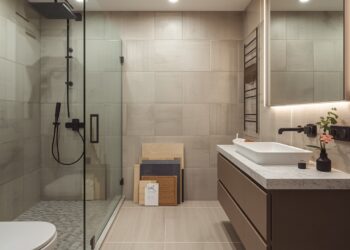
Bathroom Renovation Cost Malaysia: Budget Guide for Homeowners
Explore bathroom renovation costs in Malaysia and understand the key factors that shape your budget before starting your upgrade.

Kitchen Renovation Cost Malaysia 2026: Budget Guide for Homeowners
A practical 2026 guide to kitchen renovation costs in Malaysia, with budget ranges, cost factors, and planning tips for homeowners.

Small Condo Renovation Malaysia: Smart Ideas for Better Living
Discover practical small condo renovation ideas in Malaysia to make limited space feel more functional, stylish, and comfortable.

