
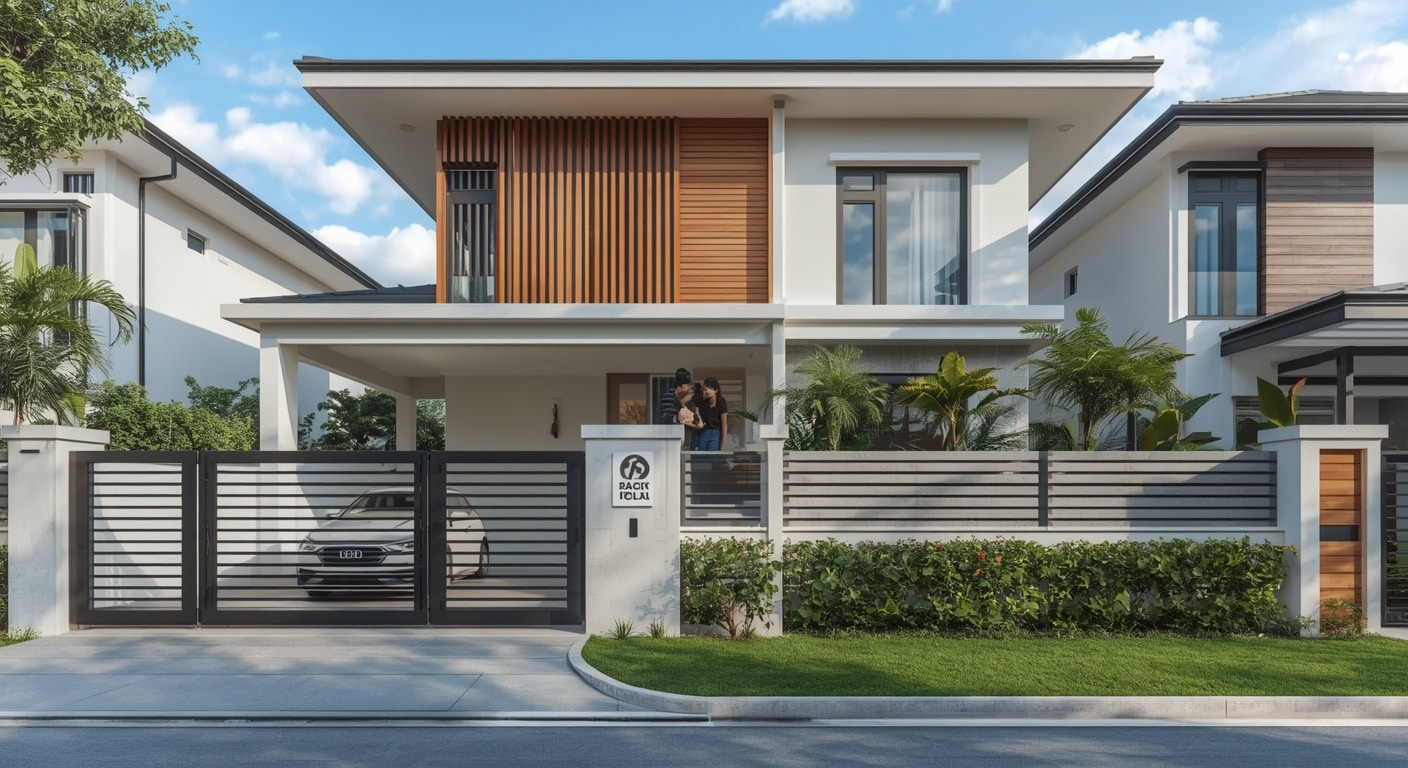
Planning a landed house renovation malaysia project can feel overwhelming, especially when you are trying to balance budget, design ideas, family needs, and local approval requirements. Whether you own a terrace house, semi-detached home, bungalow, or older landed property, the best renovation results usually come from clear planning before any hacking starts. This guide explains what Malaysian homeowners should focus on first, how to set a realistic scope, where costs usually go, and which upgrades bring the most practical value for daily living.
If you are still comparing renovation basics, you can also read this Home Renovation Guide Malaysia for a broader overview before moving into landed home-specific planning.
1. Start with the right renovation scope
The biggest mistake in landed home renovation is trying to do everything at once without deciding what the house actually needs. Landed homes often have more space than condos, but they also come with more areas to repair, upgrade, and maintain. Before contacting contractors, divide your renovation into clear categories:
- Necessary works: roof leaks, waterproofing, outdated wiring, plumbing issues, termite damage, cracked walls, drainage problems
- Functional upgrades: kitchen extension, extra bathroom, built-in storage, larger wet kitchen, better ventilation, auto gate, porch roofing
- Lifestyle improvements: nicer flooring, feature walls, garden deck, wardrobe systems, smart home devices, lighting upgrades
- Future-proofing: elderly-friendly bathroom, wider walkways, energy-saving windows, solar readiness, safer stair handrails
Walk through the house room by room and list what is urgent, what is useful, and what is optional. This helps you avoid spending too much on decorative items while ignoring structural or water-related problems. For older landed homes in Malaysia, repair work often needs attention before aesthetic upgrades.
2. Understand where renovation costs usually go
Cost planning is a major concern for homeowners doing a landed house renovation malaysia project. Landed homes can vary a lot in age, size, condition, and whether you are renovating the interior only or also extending the building. Because of that, there is no single standard budget that fits every home.
Instead of asking only for one lump sum quotation, break your budget into work categories such as:
- Demolition and hacking
- Masonry and extension works
- Roofing and awning
- Electrical rewiring and lighting points
- Plumbing and sanitary fittings
- Flooring and wall finishes
- Kitchen cabinets and countertops
- Doors, windows, grilles, and gates
- Painting
- External drainage and landscaping
- Professional fees and local authority submissions if needed
- Contingency budget for hidden issues
A practical rule is to reserve extra budget for unexpected works, especially for sub-sale houses. Once floors, ceilings, or walls are opened up, contractors may discover damaged pipes, rotten timber, illegal previous extensions, or old wiring that no longer meets current needs.
For a more detailed breakdown of renovation budgeting, refer to House Renovation Cost Malaysia. It can help you compare cost categories before finalising your scope.
Simple budgeting checklist
- Set a maximum budget before asking for quotations
- Separate essential works from nice-to-have items
- Get at least 2 to 3 quotations with the same scope
- Ask what is excluded, not just what is included
- Keep a contingency buffer for unexpected repairs
- Do not confirm materials based on photos alone
3. Prioritise renovations that improve daily living
A good landed home renovation is not only about making the house look new. It should make everyday life easier, safer, and more comfortable. In Malaysia, practical upgrades often bring more long-term satisfaction than trend-focused designs.
Kitchen improvements
Many landed homeowners choose to upgrade the kitchen first. A common layout is separating the dry kitchen and wet kitchen. This works well for Malaysian cooking styles that involve heavy frying, strong aromas, and frequent washing. Good ventilation, easy-clean surfaces, enough power points, and proper storage are more important than simply choosing expensive finishes.
Bathroom upgrades
Bathrooms in older homes may need waterproofing, anti-slip tiles, better drainage falls, and newer piping. If elderly parents live in the house or may move in later, consider grab bars, lower step-in areas, and shower screens that are easier to use.
Storage and space planning
Landed homes often have family growth over time, so storage becomes a real issue. Built-in cabinets under the stairs, tall utility storage, and bedroom wardrobes can reduce clutter without needing major structural work.
Ventilation and heat control
Many homes in Malaysia become hot in the afternoon, especially west-facing units. Installing better roof insulation, adding windows strategically, improving cross ventilation, and choosing suitable curtains or tinted glass can improve comfort and reduce reliance on air conditioning.
If you are planning the style and layout side of the project, this Interior Design Malaysia Guide can help you align renovation works with a practical interior concept.
4. Check approval, neighbourhood, and site limitations
One issue that homeowners sometimes overlook is whether the renovation requires local council approval. For many landed properties in Malaysia, extensions, structural changes, car porch roofing, major facade changes, or boundary-related works may need submission and permission depending on the local authority and property type.
Before finalising your design, confirm:
- Whether your extension size is allowed
- Setback requirements
- Drainage and boundary wall limitations
- Whether your area is under a residents’ association or gated management rules
- Whether your title, developer guidelines, or local council require drawings and submissions
This step matters because a design that looks good on paper may not be legally buildable as planned. It can also affect your timeline if approvals are needed before site work begins.
For intermediate or older terrace and semi-detached houses, access can also be a challenge. Narrow roads, limited contractor parking, and neighbour sensitivity may affect material delivery and work hours. A realistic schedule should account for these site conditions.
5. Choose materials and features for maintenance, not just appearance
When planning a landed house renovation malaysia project, homeowners often focus heavily on visual impact. But landed homes are exposed to more weather, dust, and outdoor wear than high-rise units. Materials should be selected for maintenance practicality as much as design.
Smart material choices for landed homes
- Porcelain tiles: generally durable and easier to maintain in living areas and kitchens
- Exterior paint with weather resistance: useful for reducing early peeling and fading
- Aluminium or UPVC windows: often lower maintenance than older timber frames
- Quartz or solid surface countertops: practical for many family kitchens depending on usage
- Anti-slip outdoor tiles: safer for porch, side yard, and backyard areas during rain
- Waterproof cabinetry in wet zones: helps reduce swelling and damage over time
For houses with outdoor space, do not ignore drainage and landscaping. A beautiful yard with poor water flow can lead to puddles, mosquitoes, slippery surfaces, and long-term damage to walls. Even simple planning like proper floor gradient, drain covers, and easy-care planting can make a big difference.
Pro Tips
- Bring material samples to the house and view them in natural daylight
- Choose grout, flooring, and paint tones that are easier to maintain
- Use more electrical points than you think you need in kitchen and living areas
- Plan air-conditioner piping and drainage before plaster ceiling work starts
- Think about cleaning access for high windows, awnings, and feature lights
6. Avoid common renovation mistakes that increase cost and stress
Many renovation problems do not come from one big issue but from several small decisions made too quickly. If you want a smoother project, watch out for these common mistakes:
- Changing the design too often mid-project: this usually causes delay, waste, and extra charges
- Choosing the cheapest quotation without comparing scope: lower prices may exclude key items or use lower-grade materials
- Skipping a proper site inspection: hidden defects are common in older landed homes
- Not asking about timeline and work sequence: different trades need proper coordination
- Focusing only on interiors: roof, drainage, and exterior wall issues can be costly if left unresolved
- Ignoring maintenance after renovation: new finishes still need regular care
After completing your project, it helps to keep a simple maintenance routine for gutters, roof edges, bathroom sealants, outdoor drains, and exterior walls. Preventive care protects your renovation investment and reduces the chance of expensive repair work later.
Quick pre-renovation checklist
- List urgent repairs first
- Set a total budget and contingency amount
- Prepare your must-have and nice-to-have items
- Check if approval or submission is required
- Get comparable quotations based on the same scope
- Confirm materials, timeline, and payment schedule clearly
- Plan how the family will manage during renovation works
FAQ
How much should I budget for a landed house renovation in Malaysia?
The budget depends on the size of the house, its current condition, and the type of works involved. Cosmetic improvements cost far less than full rewiring, plumbing replacement, or extensions. The best approach is to divide your budget by work category and keep a contingency fund for hidden issues.
Do I need approval for landed house renovation in Malaysia?
It depends on the scope. Structural changes, house extensions, some roof works, and facade modifications may require local authority approval. Always check with your local council, property management, or a qualified professional before starting major works.
What should I renovate first in an older landed house?
Start with issues that affect safety and long-term damage: roof leaks, waterproofing, wiring, plumbing, drainage, and structural cracks. After that, move to functional spaces like kitchens, bathrooms, and storage upgrades.
Is it better to renovate everything at once or in phases?
If budget allows, doing connected works together can reduce repeat labour and disruption. However, phased renovation is often more practical for families living in the house. Prioritise essential repairs and high-use areas first.
What adds the most practical value to a landed house renovation?
Upgrades that improve daily use usually give the best value. These include better kitchen layout, bathroom improvements, storage, roof and waterproofing repairs, ventilation, safer flooring, and durable low-maintenance materials.
A successful landed home renovation is less about chasing trends and more about making smart decisions in the right order. If you begin with clear priorities, realistic budgeting, and practical upgrades, your home can become more comfortable, easier to maintain, and better suited to your family’s lifestyle in the long term.


