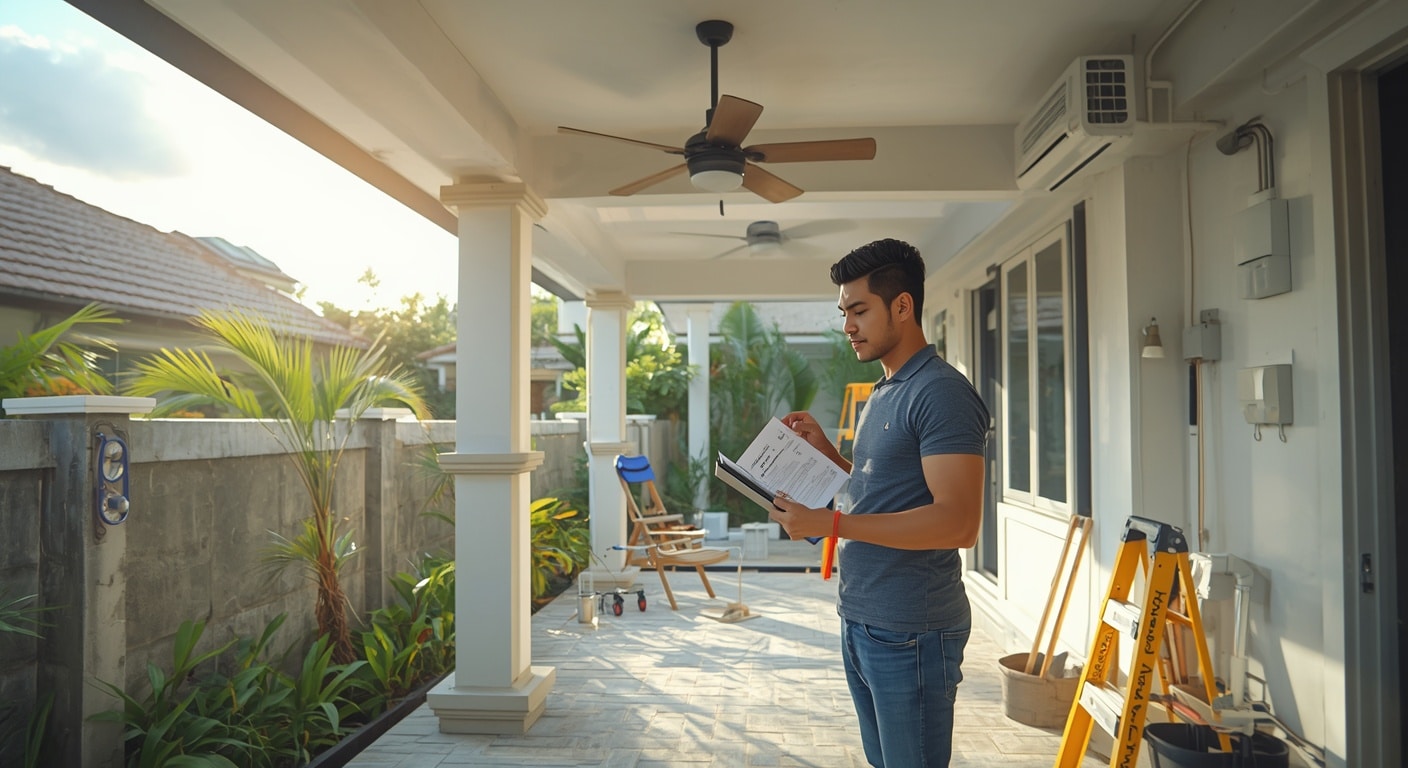
Home maintenance Malaysia is not just about fixing things when they break. For Malaysian homeowners, regular upkeep is the best way to protect your property from heavy rain, strong sun, humidity, termites, roof leaks, mould, and plumbing issues. Whether you live in a terrace house, condo, semi-D, or landed home, having a clear maintenance routine helps you avoid bigger repair bills later. This guide covers a practical checklist you can follow throughout the year, with local tips, common mistakes to avoid, and a simple plan that works for real homes in Malaysia.
A well-maintained home is safer, more comfortable, and usually cheaper to run. If you are moving into a new place, you may also find our first homeowner checklist Malaysia useful as a starting point before setting up your maintenance schedule.
Why home maintenance matters in Malaysia
Malaysia’s climate creates maintenance challenges that many homeowners underestimate. Hot weather can wear down paint, sealants, and roofing materials. Humidity encourages mould, mildew, and musty smells. Monsoon rain can expose roof defects, clogged gutters, poor drainage, and wall cracks. Pests such as termites, ants, and cockroaches are also a common issue, especially in landed homes.
Regular home maintenance helps you:
- Prevent small issues from turning into expensive repairs
- Extend the lifespan of roofing, paint, plumbing, and electrical systems
- Keep your home healthy by reducing dampness and mould
- Lower utility costs through better air-conditioner and appliance efficiency
- Maintain property value if you plan to renovate or sell later
- Reduce emergency breakdowns during festive seasons or heavy rain periods
Homeowners planning larger upgrades should also read the Home Renovation Guide Malaysia to understand when maintenance becomes renovation and how to plan properly.
What should be included in a home maintenance checklist in Malaysia
A good checklist should cover the main parts of your home: roof, gutters, walls, floors, doors, windows, plumbing, electrical systems, air-conditioning, kitchen, bathrooms, outdoor areas, and pest control. It should also include tasks by frequency, such as monthly, quarterly, half-yearly, and yearly work.
Below is a practical structure for Malaysian homes.
Monthly home maintenance checklist
1. Check for water leaks
Inspect under sinks, around toilets, near water heaters, washing machines, and outdoor taps. Small leaks can waste water and damage cabinets, walls, and ceilings over time.
- Look for damp spots or stains
- Check whether taps are dripping
- Test toilet flush systems for continuous running water
- Inspect flexible hoses for cracks or swelling
2. Clean air-conditioner filters
Air-conditioners work hard in Malaysia’s weather. Dirty filters reduce cooling performance, increase electricity bills, and may worsen indoor air quality.
- Wash or replace filters as recommended by the brand
- Listen for unusual noise
- Check for water dripping from indoor units
- Make sure cooling is even and not weak
If you are reviewing household equipment, you can also explore the best home appliances Malaysia guide for energy-saving options.
3. Inspect bathrooms for mould and sealant issues
Bathrooms are high-moisture spaces. Check tile grout, silicone joints, exhaust fans, and hidden corners. Mould growth is common in poorly ventilated areas.
- Scrub early signs of mould before it spreads
- Replace cracked silicone around sinks and showers
- Make sure floor traps drain properly
- Check for loose tiles or hollow sounds
4. Test lights, switches, and power points
Electrical issues are easier to handle when noticed early. Check for flickering lights, warm sockets, tripped breakers, and burnt smells.
- Replace faulty bulbs
- Do not ignore buzzing sounds from switches
- Check extension cords for overheating
- Make sure outdoor lights still work
5. Sweep outdoor drains and clear debris
Leaves, soil, and rubbish can block drains quickly, especially in landed homes. Poor drainage increases the risk of water ponding and mosquito breeding.
Quarterly home maintenance checklist
1. Inspect roof and ceiling condition
You do not need to climb onto the roof unless it is safe and you know what you are doing. A visual check from the ground or upper floor can already help. Look for slipped tiles, rusted metal roofing, clogged valleys, or signs of sagging.
Inside the house, inspect ceilings for:
- Yellow or brown water stains
- Peeling paint
- Bulging plasterboard
- Musty smell after rain
These are often early signs of roof leakage.
2. Clear gutters and downpipes
Clogged gutters are one of the most common causes of water overflow during heavy rain. This can stain walls, damage fascia boards, and contribute to roof leaks.
- Remove leaves and dirt
- Make sure water flows properly through downpipes
- Check brackets and connections
- Look for rust, cracks, or sagging sections
3. Inspect exterior walls and paint
Malaysia’s heat and rain can wear exterior paint faster than many owners expect. Check for hairline cracks, peeling paint, algae, and damp patches. Early treatment is usually much cheaper than waiting until moisture enters the wall.
4. Service kitchen and bathroom exhaust systems
Poor ventilation traps moisture and grease indoors. Clean exhaust fans, range hoods, and vents to improve airflow and reduce odour buildup.
5. Inspect doors, windows, and locks
Wood can swell in humid conditions, while metal hardware may rust over time.
- Lubricate hinges and locks
- Check window seals
- Repair gaps that let in rain or pests
- Make sure sliding doors move smoothly
Half-yearly home maintenance checklist
1. Professional air-conditioner servicing
Besides monthly filter cleaning, arrange proper servicing at suitable intervals depending on usage. This helps maintain cooling efficiency and can reduce the chance of major breakdowns.
2. Pest and termite inspection
Termites can cause major structural damage if ignored. Signs include hollow-sounding wood, mud tubes, tiny wings, and damaged built-in cabinets or door frames.
For landed homes, pay extra attention to:
- Wooden doors and skirting
- Kitchen cabinets
- Store rooms
- Areas near garden soil or external walls
3. Deep plumbing inspection
Check exposed pipes, pressure, drainage speed, and any recurring clogging. Slow drains may point to grease, hair, or partial blockages. Repeated pipe issues may require professional diagnosis before they become leaks behind walls.
4. Check water heater and pump systems
If your home uses a pump, storage tank, or instant water heaters, inspect for inconsistent pressure, odd noises, or signs of leakage. Poor performance often starts gradually.
5. Review safety equipment
Test smoke alarms if installed, inspect fire extinguishers, and make sure emergency lights or torchlights are still working. Safety is often neglected until needed.
Yearly home maintenance checklist
1. Full roof inspection
An annual professional inspection is a smart idea, especially for older homes or houses that have experienced storm damage. This can identify loose tiles, broken flashing, rusted roof sheets, and waterproofing issues before the monsoon season worsens them.
2. Repaint or touch up problem areas
Do not wait for all paint to fail. Touching up exterior and interior problem areas helps slow deterioration. High-moisture rooms, exposed walls, and sunny facades may need more frequent work.
3. Reseal wet areas
Bathrooms, kitchens, and yard utility zones need sound sealant and waterproofing. Replacing failed silicone and repairing cracked grout can prevent water seepage into walls and floors.
4. Inspect flooring condition
Check for broken tiles, lifting vinyl, timber warping, and uneven surfaces. In humid weather, some flooring materials expand or trap moisture underneath.
5. Review appliances and energy use
Annual checks help you spot old appliances that are wasting electricity or becoming unsafe. If you are considering more efficient living, a home upgrade plan with automation and monitoring features may help, especially through a Smart Home Guide Malaysia.
Home maintenance checklist by area
Roof and gutters
- Check for leaks after heavy rain
- Clear gutters and roof valleys
- Inspect flashing and roof edges
- Watch for moss, rust, or cracked tiles
Exterior walls and drainage
- Look for cracks, algae, or damp patches
- Ensure water drains away from the house
- Check external pipes and taps
- Clean perimeter drains
Kitchen
- Inspect sink pipes and cabinet bottoms
- Clean grease filters and exhaust
- Check gas or induction systems for safe operation
- Look for pest activity in dark corners
Bathrooms
- Monitor sealant, grout, and drainage
- Check for water seepage on adjacent walls
- Ensure ventilation is adequate
- Fix dripping taps and weak flushes
Living and bedroom areas
- Inspect ceilings and paint
- Check windows for leaks or difficult movement
- Look for termite signs on wood elements
- Test sockets, fans, and lights
Outdoor spaces
- Trim overgrown plants near walls
- Remove standing water
- Inspect gates, fencing, and porch lights
- Maintain garden drainage and paving
If your outdoor area needs improvement, proper planning with ideas suited to local weather can make maintenance easier. See these landscaping ideas Malaysia for practical inspiration.
Most common home maintenance problems in Malaysian homes
While every home is different, these are among the most common issues homeowners face in Malaysia:
- Roof leaks caused by aging materials, cracked tiles, poor flashing, or clogged gutters
- Damp walls and mould due to humidity, poor ventilation, or waterproofing failure
- Plumbing leaks under sinks, in bathrooms, or from old piping
- Termite damage especially in wooden frames, furniture, and cabinets
- Peeling paint from rain exposure, trapped moisture, or low-quality coating
- Blocked drains from leaves, grease, hair, and outdoor debris
- Air-conditioner inefficiency caused by dirty filters, gas issues, or poor servicing
- Electrical wear such as faulty switches, tripping breakers, and worn sockets
These problems rarely appear overnight. Most start as minor signs that are easy to miss unless you inspect regularly.
How regular maintenance helps reduce repair costs
Regular maintenance is usually cheaper than reactive repairs. A small roof crack may be inexpensive to seal early, but if ignored, it can lead to ceiling damage, mould, electrical risk, and repainting costs. The same logic applies to leaking pipes, loose tiles, swollen cabinetry, and poor drainage.
There are also indirect savings:
- Lower electricity bills from efficient air-conditioners and appliances
- Fewer emergency call-out charges
- Less risk of replacing expensive built-ins damaged by water or pests
- Better long-term renovation planning
If your home already needs extensive repair or upgrading, it helps to understand the likely budget through this house renovation cost Malaysia reference before deciding between patch repairs and larger works.
Mistakes to avoid with home maintenance in Malaysia
- Waiting until the rainy season to check the roof or gutters
- Ignoring small leaks because the damage often spreads behind walls and cabinets
- Skipping air-conditioner servicing until cooling performance drops badly
- Using the wrong paint or sealant for exterior or wet areas
- Blocking ventilation in bathrooms, yards, and utility spaces
- Letting plants touch walls which can trap moisture and attract pests
- DIY electrical work without proper expertise which can be unsafe
- Forgetting hidden areas such as ceiling spaces, under sinks, and behind appliances
Simple yearly schedule for Malaysian homeowners
| Frequency | Main tasks |
|---|---|
| Monthly | Check leaks, clean air-conditioner filters, inspect bathrooms, test lights and switches, clear small drains |
| Every 3 months | Inspect roof from ground, clean gutters, check exterior walls, service vents, inspect windows and doors |
| Every 6 months | Service air-conditioners, inspect for termites, review plumbing and water heaters, test safety items |
| Yearly | Arrange full roof inspection, touch up painting, reseal wet areas, inspect flooring, review appliances and energy use |
Practical checklist before hiring a contractor
Some maintenance tasks are fine for homeowners, but others should be handled by qualified contractors. Before you hire anyone, use this checklist:
- List the problem clearly with photos
- Note when the issue happens, such as only during rain
- Ask whether repair or replacement is more suitable
- Request a written scope of work
- Confirm material type and warranty terms
- Check whether access equipment is needed for roof or exterior work
- Compare more than one quotation for larger jobs
- Keep receipts and maintenance records for future reference
Home maintenance checklist for first-time homeowners
If you have just collected your keys, start with the basics. Many first-time owners focus only on furniture and décor, but the smartest move is to inspect protection items first.
- Check all taps, traps, toilets, and visible piping
- Test every switch, socket, fan, and light
- Run air-conditioners and inspect drainage
- Inspect windows, sliding doors, and locks
- Check bathrooms for waterproofing concerns
- Inspect ceilings and walls after the first few heavy rains
- Create a simple maintenance calendar on your phone
Once the essentials are under control, you can move on to comfort and aesthetics. Homeowners planning style updates may enjoy reading an interior design Malaysia guide to balance good looks with easy maintenance choices.
FAQ
1. What should be included in a home maintenance checklist in Malaysia?
A home maintenance checklist in Malaysia should include the roof, gutters, ceilings, walls, doors, windows, plumbing, electrical points, air-conditioners, bathrooms, kitchen, drainage, pest control, and outdoor areas. Because of the hot and humid climate, it is especially important to watch for leaks, mould, paint failure, drainage blockage, and termite activity.
2. How often should I inspect my home for maintenance issues in Malaysia?
You should do a basic visual check every month, especially for leaks, mould, drainage issues, and air-conditioner performance. More detailed checks such as roof, gutters, exterior walls, and pest inspection can be done every few months, while a full professional review for major systems is useful at least once a year.
3. What are the most common home maintenance problems in Malaysian homes?
Common problems include roof leaks, damp walls, mould, plumbing leaks, clogged drains, peeling exterior paint, termite infestations, and poorly performing air-conditioners. Landed homes often face more drainage, roof, and pest issues, while condos may see more bathroom moisture, air-conditioning, and interior water leak concerns.
4. How can regular home maintenance help reduce repair costs?
Regular maintenance helps by spotting small defects before they become major repairs. For example, fixing a minor roof issue early can prevent ceiling damage, mould cleanup, electrical risk, and repainting work. It also improves the lifespan of appliances, reduces utility bills, and lowers the chance of emergency repairs.
5. Which parts of a house need the most frequent maintenance in Malaysia?
The areas that usually need the most frequent attention are the roof, gutters, bathrooms, kitchen plumbing, air-conditioners, exterior walls, drainage, and any wooden elements exposed to moisture or pests. These parts are more affected by Malaysia’s rain, humidity, heat, and termite risk.
Conclusion
The best approach to home maintenance Malaysia is to stay consistent, not complicated. You do not need a perfect system. What matters is checking key areas regularly, acting early when you notice warning signs, and keeping a simple schedule that fits your home type. In Malaysia, climate-related issues like rain, heat, humidity, and pests can damage a house faster than many owners realise. A practical checklist helps you stay ahead, protect your investment, and keep your home comfortable for the long term.
Start with monthly checks, review your roof and drainage before heavy rain periods, and call in professionals when a problem goes beyond basic upkeep. A little prevention now can save a lot of stress and money later.
Related
Roof Waterproofing Malaysia: Cost, Methods and What to Check
Learn how roof waterproofing works in Malaysia, common methods, expected costs, and what homeowners should check before choosing a contractor.

Ceiling Water Leak Repair: Causes, Fixes, and When to Call a Pro
A practical guide to finding the source of a ceiling leak, making safe repairs, and knowing when to get professional...
How to Find Roof Leakage at Home
Learn how to spot early signs of a roof leak, trace the source, and check common problem areas before the...

