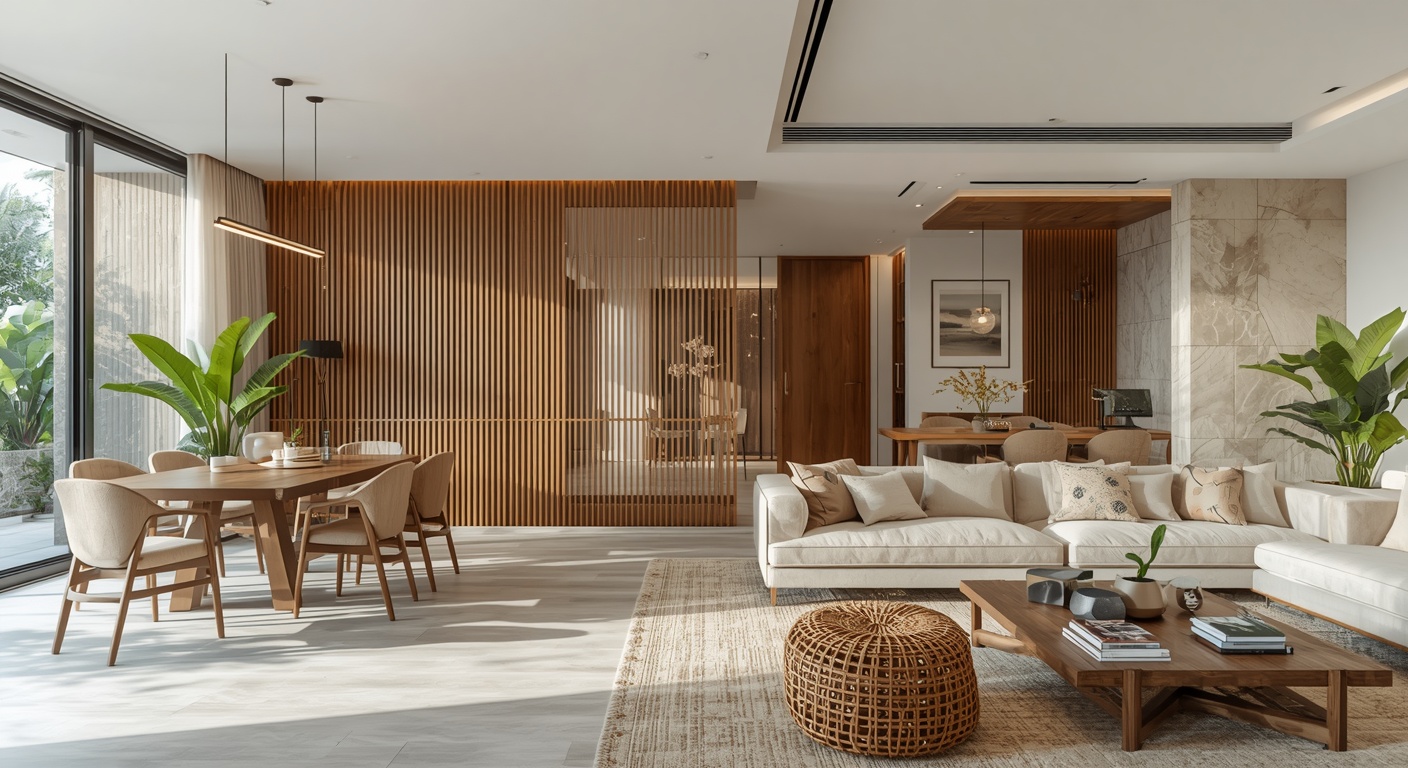
Interior design Malaysia homeowners choose today is no longer just about making a house look nice. It is about planning a functional, comfortable, and practical home that suits local weather, family routines, property layouts, and budget. Whether you own a condo in Kuala Lumpur, a terrace house in Selangor, or a landed home in Johor, good interior design helps you use space better, improve daily living, and create a home that feels truly yours.
This guide explains how interior design works in Malaysia, what styles are popular, what costs to expect, how to plan your project, and how to avoid common mistakes before you begin.
What interior design means for Malaysian homes
Interior design is the process of planning and improving indoor spaces so they are both attractive and useful. In Malaysia, this often involves more than choosing colours and furniture. Homeowners usually need to think about heat, humidity, ventilation, natural light, storage, family size, renovation rules, and long-term maintenance.
A well-designed Malaysian home should match the way people actually live. For example, a young couple in a new condominium may want an open living and dining area with hidden storage, while a multigenerational family in a landed house may prioritise durable materials, extra bedrooms, better kitchen workflow, and easy-to-clean finishes.
Interior design also overlaps with renovation work. If you plan to hack walls, install built-ins, upgrade flooring, or redesign your kitchen and bathrooms, it helps to first understand the broader renovation process. You can explore this in our Home Renovation Guide Malaysia.
Why interior design is important
Many homeowners think interior design is only for luxury homes, but good design can benefit almost any property size and budget. A thoughtful plan helps avoid waste, supports better use of space, and improves daily comfort.
- Better space planning: Important for condos and smaller homes where every square foot matters.
- Improved comfort: Good ventilation, lighting, and furniture layout make a big difference in Malaysia’s warm climate.
- More storage: Built-in cabinets, hidden compartments, and custom carpentry help reduce clutter.
- Smoother renovation decisions: A design plan helps homeowners coordinate contractors, materials, and finishes.
- Stronger resale appeal: Well-maintained and tastefully designed homes are often more attractive to buyers and tenants.
- Lower long-term regret: Planning ahead helps prevent expensive changes later.
How interior design works in Malaysia
Most interior design projects in Malaysia follow a general process, although the details vary by designer, home type, and scope of work.
- Initial consultation: The designer learns about your home, lifestyle, style preferences, needs, and budget.
- Site measurement and layout planning: Measurements are taken and space planning begins.
- Concept development: This may include mood boards, sample materials, colour suggestions, and design direction.
- 3D drawings or visualisation: Many designers provide visual previews for key spaces.
- Quotation and scope confirmation: Costs are discussed for design, carpentry, materials, furnishing, and renovation-related work.
- Project execution: Contractors, suppliers, and installers carry out the approved works.
- Final styling and handover: Furniture, lighting, décor, and finishing touches are completed.
If your project includes major renovation, always compare design ideas with realistic spending limits. For budgeting context, read our House Renovation Cost Malaysia guide.
Popular interior design styles in Malaysia
Malaysian homeowners typically choose styles that balance appearance and practicality. The most suitable style often depends on property type, family needs, and maintenance preference.
Modern contemporary
This is one of the most common choices in Malaysia. It usually features clean lines, neutral colours, simple furniture, and uncluttered spaces. It suits condos, new apartments, and modern terrace houses.
Best for: Homeowners who want a neat, timeless, and flexible look.
Scandinavian
Scandinavian interiors remain popular because they feel bright, airy, and calm. This style often uses white walls, light wood tones, simple furniture, and practical storage.
Best for: Smaller homes and owners who want a clean and cosy environment.
Minimalist
Minimalist design focuses on simplicity, open space, and using only what is needed. In Malaysia, this works well when paired with smart storage solutions so the home does not feel empty or impractical.
Best for: Busy households that prefer easy maintenance and less visual clutter.
Industrial
Industrial style uses darker tones, metal finishes, raw textures, and sometimes exposed elements. It can look stylish in loft-style apartments and urban homes, but should be balanced carefully so the house does not feel too harsh or hot.
Best for: Homeowners who like bold character and urban aesthetics.
Japandi
Japandi combines Japanese simplicity with Scandinavian warmth. It is increasingly popular in Malaysia because it creates a calm, functional home with natural materials and soft tones.
Best for: Homeowners who want a peaceful, modern, and elegant atmosphere.
Modern luxury
This style uses richer materials, feature lighting, statement walls, custom carpentry, and higher-end finishes. It is often seen in larger condos, semi-detached homes, and bungalows.
Best for: Owners who want a polished, premium look and are prepared for higher costs.
How to choose a style that suits your home
The best design style is not always the one trending online. It should suit how you live and how much time you want to spend maintaining the space.
- Consider your property type: A compact apartment usually benefits from lighter colours and multifunctional furniture.
- Think about family needs: Homes with children or elderly parents need safe layouts and durable finishes.
- Match your maintenance habits: Open shelves, glossy surfaces, and soft fabrics may need more cleaning.
- Plan for the climate: Use breathable materials, suitable window treatments, and layouts that support airflow.
- Be realistic about trends: Trendy features can date quickly. Base your home on comfort and function first.
Important design considerations for Malaysia
Heat and humidity
Malaysia’s climate affects material choices. Some finishes may warp, peel, or trap heat if chosen poorly. Many homeowners prefer tiles, moisture-resistant boards, easy-clean wall finishes, and curtains or blinds that reduce glare without blocking all natural light.
Ventilation and natural light
Good airflow is essential, especially in kitchens, bathrooms, and bedrooms. Interior design should work with windows, ceiling fans, and air-conditioning placement instead of fighting against them.
Storage needs
Urban homes often need more built-in storage. Designers commonly create full-height cabinets, bed-storage solutions, shoe cabinets near entryways, and concealed compartments for household items.
Kitchen practicality
The kitchen is one of the most used spaces in many Malaysian homes. Good kitchen design should consider cooking frequency, wet and dry kitchen setups, appliance placement, and easy-to-clean surfaces. If you are comparing practical household upgrades, our Best Home Appliances Malaysia guide may also help you plan around your layout.
Condo and strata rules
If you live in a condominium or apartment, management rules may limit hacking work, delivery timing, wet work, debris disposal, and renovation hours. Confirm these early before your design is finalised.
How much interior design costs in Malaysia
Interior design cost in Malaysia can vary a lot based on the size of the home, the designer’s experience, the complexity of the work, and whether the project includes renovation, custom carpentry, furnishing, or full project management.
Rather than expecting one standard price, it is more helpful to break costs into categories:
- Design consultation or design fee: Some designers charge separately for concept work, drawings, and planning.
- Built-in carpentry: Often one of the largest portions of a home design budget.
- Renovation works: Flooring, painting, electrical work, ceiling work, plumbing, tiling, and hacking if needed.
- Furniture and décor: Sofas, dining sets, beds, curtains, rugs, and decorative items.
- Lighting and fittings: Downlights, pendant lights, fans, switches, sanitary fittings, and accessories.
- Appliances: Especially important for kitchen and laundry planning.
Simple styling updates cost much less than a full home transformation. A new condo with basic built-ins may need a moderate budget, while a landed home with customised carpentry and extensive wet works may require far more.
Always ask for a detailed breakdown and confirm what is included. Some quotations cover design and build together, while others separate professional design services from actual renovation and furnishing work.
How to choose the right interior designer in Malaysia
Choosing the right designer is not just about finding the lowest quotation or the prettiest portfolio. You need someone who understands your goals, budget, and practical needs.
Review their previous work
Look at completed homes, not just polished renderings. Check whether their projects suit Malaysian lifestyles and whether they can design for homes similar to yours.
Ask about their process
A professional designer should be able to explain consultation steps, drawing stages, revisions, timelines, procurement, and site coordination clearly.
Check budget alignment
Be honest about your budget from the start. A good designer should help prioritise where to spend and where to save.
Understand what is included
Clarify whether the designer handles only design, or also project management, contractor coordination, custom carpentry, and final styling.
Assess communication
You will likely work together for weeks or months. Clear communication matters as much as design taste.
Compare more than one option
Meeting at least two or three designers helps you compare approach, professionalism, and value.
Mistakes to avoid in an interior design project
- Starting without a clear budget: This often leads to scope changes and stress later.
- Copying social media blindly: Beautiful inspiration images may not suit Malaysian homes or daily routines.
- Ignoring maintenance: Some materials and layouts look good at first but are hard to clean or maintain.
- Overbuilding storage in the wrong places: Too much carpentry can make a home feel cramped.
- Poor lighting planning: Relying on one ceiling light per room usually creates flat, dull spaces.
- Not planning for appliances early: Appliance size and placement affect kitchen and utility layouts.
- Forgetting future needs: Think about children, ageing parents, work-from-home needs, or possible resale.
- Skipping documentation: Confirm layout, materials, finishes, and cost details in writing.
Tips for a successful interior design project
- Create a priority list: Separate must-haves from nice-to-haves.
- Collect useful references: Save inspiration by room and explain what you actually like about each image.
- Measure properly: Furniture and built-ins should fit circulation space comfortably.
- Choose durable finishes: Especially for kitchens, bathrooms, entryways, and family homes.
- Plan enough power points: Modern homes need more charging and appliance points than many owners expect.
- Think long term: Neutral foundations are easier to refresh later with soft furnishings and décor.
- Set a contingency: Keep some budget aside for unexpected changes.
Room-by-room interior design ideas
Living room
Use comfortable seating, layered lighting, soft furnishings, and practical storage. In smaller homes, a TV feature wall with concealed cabinets can help reduce clutter.
Kitchen
Plan according to cooking habits. Malaysian households that cook frequently may benefit from better ventilation, durable countertops, and a clear distinction between prep and serving areas.
Bedroom
Prioritise comfort, blackout curtains, sufficient wardrobe space, and a calm colour palette. Avoid oversized furniture that reduces walking space.
Bathroom
Choose water-resistant materials, anti-slip tiles, proper shower screening, and practical storage for toiletries.
Home office
Many Malaysian homeowners now need a work corner or full study room. Good lighting, ergonomic furniture, and cable management are essential.
Interior design checklist before you start
- Define your budget range
- List your needs for each room
- Gather style references
- Check building or management renovation rules
- Measure your space accurately
- Decide what to keep and what to replace
- Plan appliance and furniture sizes early
- Shortlist a few interior designers
- Request detailed quotations
- Review timeline and payment schedule
- Prepare a contingency budget
- Confirm all materials and finishes before work starts
If you are moving into a new home, it also helps to review a broader planning list such as the First Homeowner Checklist Malaysia so you do not miss important setup tasks.
FAQ
What is interior design in Malaysia and why is it important?
Interior design in Malaysia is the planning and improvement of indoor spaces to make them functional, comfortable, and visually appealing for local lifestyles. It is important because it helps homeowners use space efficiently, choose suitable materials for the climate, improve storage, and create a home that is easier to live in and maintain.
How much does interior design cost in Malaysia?
Interior design cost in Malaysia depends on your home size, project scope, materials, custom carpentry, and whether renovation and furnishing are included. Some projects focus only on design and styling, while others include full design-and-build services. The best way to estimate cost is to request itemised quotations and compare what is included clearly.
What are the most popular interior design styles in Malaysia?
Common styles in Malaysia include modern contemporary, Scandinavian, minimalist, industrial, Japandi, and modern luxury. Many homeowners prefer styles that are simple, practical, bright, and easy to maintain in the local climate.
How do I choose the right interior designer in Malaysia?
Look at their completed projects, ask about their process, compare quotations carefully, and make sure they understand your lifestyle and budget. Clear communication, transparent scope, and practical design thinking are just as important as visual style.
What should homeowners prepare before starting an interior design project?
Homeowners should prepare a realistic budget, room-by-room needs list, inspiration images, measurements, appliance sizes, preferred timeline, and any building management renovation requirements. It is also wise to decide early what is essential and what can be upgraded later.
Conclusion
Interior design Malaysia homeowners benefit from most is not about following trends alone. It is about creating a home that fits your daily routine, climate, family, and budget. A successful project starts with clear priorities, practical planning, realistic cost expectations, and the right design partner.
Whether you are designing a new condo, updating an older terrace house, or planning a full renovation, focus on comfort, function, durability, and long-term value. When done well, interior design can make your home easier to use, nicer to live in, and more rewarding for years to come.
Related
Wardrobe Design Ideas Malaysia: Stylish Storage for Every Home
Get inspired by wardrobe design ideas in Malaysia for better storage, cleaner layouts, and a more stylish bedroom.
Kitchen Cabinet Design Malaysia: Styles, Materials & Cost Guide
Compare popular kitchen cabinet styles, materials, finishes and budget factors in Malaysia before planning your renovation.
Small Condo Interior Design Ideas for Stylish Malaysian Homes
Explore smart small condo interior design ideas to maximise space, improve flow, and create a stylish, comfortable home in Malaysia.

