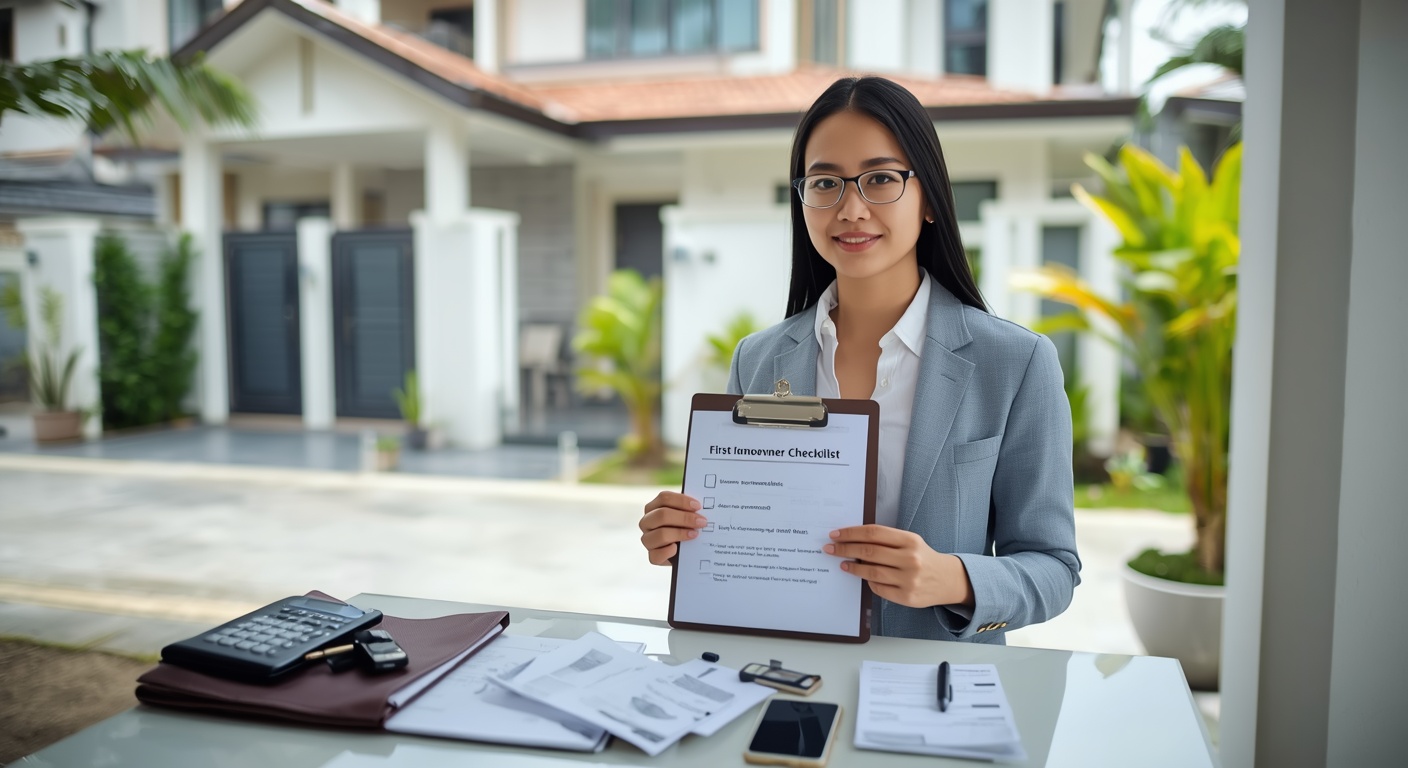
First Homeowner Checklist MalaysiaFirst Homeowner Checklist MalaysiaFirst Homeowner Checklist Malaysia
Buying your first home malaysia is exciting, but the work does not stop when you sign the loan agreement or collect the keys. Many first-time homeowners focus only on purchase price, then get surprised by moving costs, repairs, utility setup, security upgrades, and day-to-day maintenance. A good checklist helps you avoid expensive mistakes, settle in faster, and protect your property from the start. Whether you are moving into a new condo, landed house, or subsale unit, this guide covers what to do before and after move-in with practical steps for Malaysian homeowners.
If you are planning upgrades before moving in, it also helps to review a broader home renovation guide Malaysia so you can sequence works properly and avoid redoing completed areas later.
Why first-time homeowners need a proper checklist
Your first home usually involves many overlapping tasks: legal handover, defect inspection, renovation, furniture purchases, utility registration, insurance, internet installation, and security planning. Without a checklist, it is easy to miss small but important items such as changing locks, testing plumbing, checking drainage, or documenting existing defects.
A practical checklist helps you:
- Prioritise urgent tasks before move-in
- Budget for hidden post-purchase expenses
- Reduce delays during renovation and installation work
- Prevent safety and maintenance issues
- Make smarter decisions on furniture, appliances, and layout
Before collecting the keys
1. Confirm all handover documents
Before key collection, check what documents or items you are supposed to receive. This may include house keys, access cards, mailbox keys, parking access, renovation guidelines, warranties, manuals, strata rules, and contact details for building management or developer representatives.
For strata properties such as condominiums and serviced apartments, ask about:
- Move-in procedures and booking rules for lifts
- Renovation deposits and contractor registration
- Access hours for contractors
- House rules for drilling, hacking, and noisy work
- Maintenance fee payment method
2. Check your financing and cash flow
Many buyers underestimate how much cash is still needed after SPA signing and loan approval. Before key collection, make sure you know your immediate commitments, including:
- Legal fees and disbursements not already settled
- Stamp duty obligations
- Insurance or takaful linked to financing
- Quit rent and assessment if applicable
- Maintenance charges and sinking fund
- Renovation budget
- Moving costs
- Appliances and basic furniture
This is the stage to separate essentials from nice-to-have items. Security, water, electricity, basic lighting, curtains, and sleeping arrangements usually come before premium décor pieces.
3. Book a defect inspection or property check
For new properties, a defect inspection is highly recommended. Even brand-new units can have issues such as hollow tiles, cracked plaster, paint defects, leaking pipes, poor door alignment, faulty switches, or windows that do not seal properly. For subsale homes, do a thorough condition check so you know what needs immediate repair.
Bring a checklist and take photos or videos of:
- Walls, ceiling, and floor finishes
- Doors, locks, hinges, and handles
- Window frames and glass panels
- Electrical points, lighting, fans, and DB box
- Bathroom fittings, water pressure, and drainage
- Kitchen sink, trap, and plumbing
- Balcony or outdoor drainage
- Signs of dampness, mould, cracks, or water stains
In a new development, defects should normally be reported to the developer within the allowed defect liability period. Do not delay this step.
4. Measure the home properly
Do not rely only on brochure dimensions or rough estimates. Measure each room before ordering furniture, curtains, built-ins, or appliances. Malaysian homes can have awkward corners, beams, columns, and service yards that affect usable space.
Take note of:
- Door widths for moving large items in
- Clearance for refrigerator, washing machine, and wardrobe doors
- Ceiling height for fans and hanging lights
- Wall lengths for cabinets and TV panels
- Windows for curtain or blind installation
5. Decide whether renovation should happen before move-in
If major works are needed, it is usually easier to complete them before you move in. Hacking tiles, rewiring, carpentry, wet works, and painting are disruptive once the home is occupied. Even smaller jobs like grille installation, aircond piping, or water heater setup are easier when the unit is empty.
If you need help estimating costs, read this guide on house renovation cost Malaysia before committing to a renovation scope.
What to do immediately after key collection
1. Change the locks and secure access
This is one of the most important first steps, especially for subsale homes. You do not know how many spare keys may still exist. Replace or rekey the main door lock, gate lock, grill lock, and any side or back entrances. For strata homes, also check access cards and intercom functions.
Basic security upgrades can include:
- Digital lock or high-quality deadbolt
- Door viewer or smart doorbell
- Window locks
- Motion sensor lights for landed homes
- CCTV at main entry points if allowed
- Smoke alarms and fire extinguishers
2. Record meter readings and test utilities
When you first get access, take clear photos of all utility meters and account details if available. Then test the property thoroughly. Switch on lights, check every power point, flush toilets, run taps, inspect the water heater points, and test drainage in bathrooms and balcony areas.
Watch for:
- Tripped circuit breakers
- Loose sockets
- Low water pressure
- Slow drainage
- Leaking taps or pipes
- Backflow or sewer smell
3. Deep clean before bringing in furniture
Even new units are often dusty after construction. Subsale homes may need deeper sanitising, pest treatment, and odour removal. It is much easier to clean floors, windows, fans, kitchen cabinets, and bathrooms before the home is filled with furniture and boxes.
Pay extra attention to:
- Kitchen grease or residue
- Bathroom grout and drains
- Cabinet interiors
- Window tracks and sliding door rails
- Store rooms, yard areas, and hidden corners
4. Plan your room-by-room setup
A first home does not need to be fully furnished on day one. Start with rooms that support daily living, then upgrade gradually. A practical order is:
- Main bedroom
- Bathroom essentials
- Kitchen basics
- Lighting and fans
- Living room seating
- Storage solutions
- Home office or study area
- Décor and non-essential styling
This approach protects your cash flow and reduces impulse buying.
Budgeting after buying your first home
One of the biggest lessons for first-time buyers is that ownership costs continue after the purchase. Your budget should include both one-off setup costs and recurring monthly expenses. The exact amount depends on property type, size, location, and condition, so it is better to build your own list rather than rely on generic figures.
One-off setup costs to plan for
- Defect inspection or condition assessment
- Minor repairs or touch-up works
- Renovation and built-ins
- Moving service
- Curtains or blinds
- Appliances such as fridge, washing machine, cooker, and water heater
- Basic furniture such as bed, mattress, dining set, and sofa
- Safety upgrades such as locks, alarms, and extinguishers
- Cleaning and pest control
Ongoing monthly or annual costs
- Housing loan repayment
- Maintenance fee and sinking fund
- Electricity and water bills
- Internet subscription
- Assessment tax and quit rent where applicable
- Home insurance or takaful
- Routine maintenance and repairs
A good rule is to keep a home emergency fund for leaks, appliance failure, electrical faults, or urgent repair works. New homeowners often spend too much on décor and leave too little for these realities.
Utilities and services to set up before move-in
Try to arrange essential services early, especially if installation appointments are needed. You do not want to spend your first week without working lights, water heater, internet, or basic appliances.
Priority utilities and services
- Electricity account activation or transfer
- Water account activation or transfer
- Sewerage or local service arrangements if relevant
- Internet and WiFi installation
- Gas supply for homes using gas cooking
- Management registration for strata properties
- Access card and vehicle registration
Useful services to book early
- Aircond servicing or installation
- Curtain and blind installation
- Cleaning service
- Pest control
- Mover booking
- Cabinet or wardrobe installer
For appliance planning, compare your needs carefully instead of buying everything at once. This guide to best home appliances Malaysia can help you prioritise useful home essentials over impulse purchases.
Essential safety upgrades for first-time homeowners
Safety should come before aesthetics. Many new homeowners spend heavily on wall panels, feature lights, and decorative shelves but delay practical upgrades that protect people and property.
Must-do safety checks and upgrades
- Install smoke alarms, especially near bedrooms and living areas
- Keep at least one fire extinguisher in an accessible spot
- Check DB box labelling and understand how to trip power off in an emergency
- Replace weak locks and secure all entry points
- Use anti-slip mats or tiles in wet bathroom areas
- Secure windows and balcony access if you have children
- Ensure external drainage does not cause puddling near entrances
- Test water heaters and use proper wiring by qualified professionals
For landed homes
- Install outdoor lighting at the porch, side lane, and back area
- Check gate alignment and lock function
- Inspect roof drainage and rainwater flow
- Trim overgrown landscaping that creates blind spots
For high-rise homes
- Understand building emergency exits and fire escape routes
- Confirm intercom and access control are working
- Check balcony drains and railing safety
- Review strata rules before installing grilles, CCTV, or external fixtures
Common mistakes first-time homeowners make
- Overspending on renovation too early: It is easy to commit to a large design package without understanding how you will actually use the space.
- Ignoring defects: Small leaks and cracks become harder to resolve if not reported early.
- Buying oversized furniture: A big sofa or fridge may not suit the actual layout.
- Skipping security upgrades: Lock changes and alarms should not be postponed.
- Not planning storage: Clutter builds up quickly in smaller condos and apartments.
- Forgetting recurring costs: Maintenance charges, sinking fund, and service bills add up every month.
- Moving in before dusty work is done: This usually creates extra cleaning, delays, and stress.
Practical move-in checklist
Before move-in day
- Collect all keys, access cards, and documents
- Complete defect inspection and submit reports if needed
- Measure rooms and confirm furniture sizes
- Finish major renovation and repair works
- Activate electricity and water
- Book internet installation
- Arrange cleaners and movers
- Change locks
- Install basic lights, fans, and water heaters
- Prepare bedroom and bathroom essentials first
On move-in day
- Protect floors and corners if movers are bringing large items
- Check all delivered furniture and appliances for damage
- Label boxes by room
- Confirm fridge, washing machine, and water heater are working
- Keep valuables and important documents with you
- Meet building management or neighbours if relevant
Within the first month
- Review any unresolved defects or touch-ups
- Organise storage to reduce clutter
- Set up a cleaning and maintenance schedule
- Inspect for leaks after heavy rain
- Learn where shut-off points and breakers are
- Update your address for banks, employers, and official records
Once you are settled in, continue with a proper home maintenance checklist Malaysia so small issues do not turn into costly repairs later.
Simple room-by-room tips
Living room
Start with practical seating, curtains, and enough lighting. Leave feature walls or decorative shelves for later if budget is tight.
Kitchen
Focus on function first: sink, hob, hood, fridge, and basic storage. Make sure electrical loading is suitable for heavier appliances.
Bedrooms
Prioritise a good mattress, blackout curtains if needed, and secure window fittings. Built-in wardrobes can wait if your budget is stretched.
Bathrooms
Test water pressure, drainage, heater safety, and waterproofing signs. Add shelves and hooks early to make daily use easier.
Outdoor or yard area
Check drainage, water points, and sun exposure. For landed homes, simple upgrades such as better drainage and practical planting matter more than purely decorative landscaping at the start.
Checklist for first homes with renovation plans
If your new place needs renovation, plan in the correct order to avoid waste:
- Inspection and defect documentation
- Electrical and plumbing changes
- Wet works and hacking if any
- Ceiling, wall, and flooring works
- Painting
- Built-in carpentry
- Lighting, fans, and fixtures
- Curtains and blinds
- Furniture and appliances
- Final cleaning before move-in
This sequence reduces the risk of damaging completed finishes or installing items too early.
FAQ
What should I check before collecting the keys to my first home in Malaysia?
Check that all promised keys, access cards, parking access, and handover documents are ready. Review management or developer procedures, especially for strata properties. Confirm utility status, inspect the property condition, note visible defects, and understand renovation rules, deposits, and contractor access requirements before collecting the keys.
How much should I budget after buying my first home in Malaysia?
There is no single amount that fits every buyer, but you should budget for immediate setup costs and recurring ownership costs. Immediate costs may include repairs, renovation, cleaning, moving, appliances, furniture, curtains, and safety upgrades. Recurring costs include loan instalments, maintenance charges, sinking fund, utilities, internet, insurance, and future maintenance. Build a buffer for unexpected repairs instead of spending your full cash reserve on décor.
What utilities and services should I set up before moving into a new home?
Set up electricity, water, and internet first. If applicable, arrange gas supply, access card registration, parking registration, and account updates with building management. It is also useful to book cleaning, aircond servicing, curtain installation, and movers before move-in day so the home is functional from the start.
Do I need a defect inspection for a new house in Malaysia?
Yes, it is highly advisable. New homes can still have construction defects such as cracks, tile hollowness, uneven finishes, leaking pipes, poorly aligned doors, and electrical issues. A proper inspection helps you document problems early and submit them to the developer within the defect liability period. This can save significant repair cost later.
What are the most important safety upgrades for first-time homeowners?
The most important upgrades are changing locks, installing smoke alarms, keeping a fire extinguisher, testing electrical points, securing windows and balcony access, and improving exterior lighting for landed homes. If your budget allows, consider a digital lock, CCTV, or smart doorbell. Safety measures should come before decorative upgrades.
Conclusion
Your first home is a major milestone, but a smooth start depends on good planning after the purchase. Focus on the basics first: documentation, defects, utilities, security, cleaning, and a realistic budget. Then set up essential rooms before spending on non-urgent upgrades. A careful checklist helps you avoid waste, reduce stress, and make your first home malaysia experience far more rewarding. Start practical, fix the important things early, and improve your home step by step as your needs become clearer.
Related

First Time Home Buyer Malaysia: A Practical Starter Guide
A simple guide to help first-time home buyers in Malaysia understand budgets, home loans, legal fees, and key buying steps.

Home Loan Guide Malaysia: What Buyers Need to Know
A practical guide to understanding home loans in Malaysia, including eligibility, interest rates, repayment terms, and common loan costs.

Moving House Malaysia: Practical Guide for a Smooth Move
A practical guide to moving house in Malaysia, with tips on planning, packing, budgeting, and settling into your new home.

