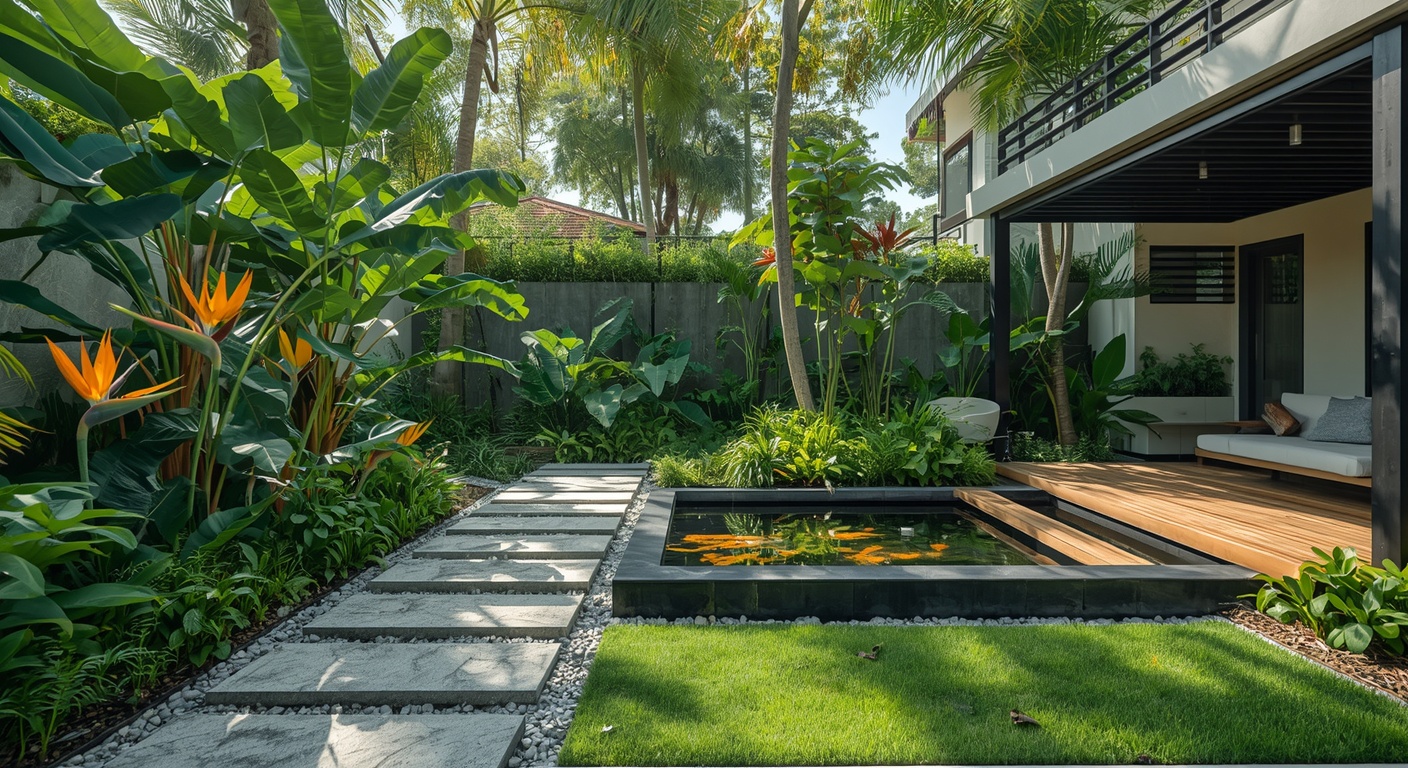
Landscaping malaysia is not just about making a house look nicer from the street. For Malaysian homeowners, it is also about creating a practical outdoor space that can handle heat, heavy rain, humidity, falling leaves, and regular maintenance. Whether you live in a terrace house, semi-D, bungalow, or condo with a small patio, the right landscape design can improve comfort, privacy, drainage, and even your home’s value. In this guide, you will find practical landscaping ideas, plant suggestions, layout tips, budget considerations, common mistakes to avoid, and a simple checklist to help you plan a garden that suits Malaysia’s climate and your daily lifestyle.
If you are planning bigger upgrades beyond the garden, it also helps to read a broader home renovation guide in Malaysia so your outdoor works match your overall house improvement plans.
Why landscaping matters for Malaysian homes
In Malaysia, outdoor areas work differently compared with cooler countries. Gardens here must cope with strong sun, regular rain, fast plant growth, insects, moss, and damp conditions. A beautiful design that ignores these realities can quickly become messy, slippery, or expensive to maintain.
Good landscaping should do more than look attractive. It should:
- Improve drainage and reduce water pooling
- Create shade to cool outdoor spaces
- Increase privacy from neighbouring houses
- Make the front yard or backyard easier to maintain
- Support family use, such as relaxing, gardening, dining, or children’s play
- Help prevent soil erosion and muddy patches
- Complement the style of the house
When planned properly, a landscape can become a functional extension of your home instead of a decorative area that is rarely used.
Start with your lifestyle before choosing plants
One of the biggest mistakes homeowners make is copying photos without thinking about how they actually use the space. Before choosing pavers, trees, or shrubs, ask yourself a few practical questions:
- Do you want a low-maintenance garden or do you enjoy regular gardening?
- Do you need space for children, pets, or elderly family members?
- Will you use the area for entertaining guests?
- Do you need more shade in the afternoon?
- Is privacy from nearby homes important?
- Do you have drainage issues during heavy rain?
- How much time and budget can you realistically commit to maintenance?
A modern minimalist garden with gravel and structured plants may suit busy families. A tropical garden with layered planting may suit homeowners who enjoy greenery and do not mind regular trimming. A compact paved courtyard may be more practical for a narrow terrace house.
Popular landscaping styles that work well in Malaysia
1. Tropical garden
This is one of the most natural choices for Malaysia. It uses lush foliage, shade-friendly plants, layered heights, and a relaxed green look. Tropical landscaping often includes palms, gingers, heliconias, ferns, and broad-leaf plants.
Best for: bungalows, corner lots, semi-D homes, larger backyards
Things to watch: tropical gardens can become overgrown quickly if not maintained.
2. Modern minimalist landscape
This style focuses on clean lines, simple planting palettes, neat hardscape, and reduced clutter. It often combines concrete, timber tones, planters, lawn sections, stepping stones, and feature plants.
Best for: terrace houses, newer housing developments, homeowners who want easier maintenance
Things to watch: too much hard surface can make the area hotter if there is not enough shade.
3. Zen-inspired garden
A Zen-style layout uses stone, gravel, water features, sculptural plants, and balanced composition. In Malaysia, this style can work well when adapted for the climate by using suitable local or tropical plants rather than copying dry-climate designs exactly.
Best for: courtyards, side yards, compact front gardens
Things to watch: decorative gravel areas still need weed and leaf management.
4. Edible landscape
Homeowners who enjoy gardening may combine beauty with function by growing herbs, pandan, curry leaf, chillies, lime, or other edible plants. Raised beds and container gardens work especially well in limited spaces.
Best for: backyards, kitchen gardens, terrace house side spaces
Things to watch: edible gardens need regular care, pest monitoring, and sunlight planning.
Best practical landscaping ideas for Malaysian homes
Create shaded seating areas
Malaysia’s heat can make gardens uncomfortable during the day. A simple bench under a small tree, pergola, or covered patio can make the space far more usable. Shade can come from built structures or tree placement, but avoid planting large trees too close to foundations or drains.
Use layered planting for depth and privacy
Instead of planting everything at one level, combine groundcovers, medium shrubs, and taller screening plants. This makes the garden look fuller and helps block views from neighbours. It also creates a more natural tropical effect.
Improve drainage from the start
Many landscaping problems in Malaysia come from poor drainage. Water pooling can damage grass, stain paving, attract mosquitoes, and create slippery surfaces. Plan proper slopes, drains, and permeable surfaces where possible.
Mix softscape and hardscape
A fully planted garden may be hard to maintain, while a fully paved area can feel hot and harsh. The best balance often comes from mixing planting beds with stepping stones, pavers, decking, or gravel zones. This gives structure without losing greenery.
Use planters for small spaces
If you have a narrow front porch, balcony, or compact backyard, built-in or movable planters can help define the layout without taking too much room. They are also useful for controlling soil, keeping things neat, and growing herbs.
Add lighting for safety and ambience
Simple outdoor lighting can make pathways safer at night and improve the overall feel of the garden. Choose weather-resistant fittings and position them to highlight paths, steps, or feature plants. If you are integrating technology into the home, smart controls can also be planned alongside a broader smart home guide in Malaysia.
Choose easier lawn alternatives where suitable
A full grass lawn may look attractive, but it needs mowing, edging, fertilising, and weed control. In smaller homes, consider reducing lawn size and replacing part of it with groundcovers, pavers, gravel, or planting beds.
Plants suitable for Malaysia’s climate
The best landscaping plants for Malaysian homes are usually those that can handle strong sun, humidity, and heavy rain. Plant suitability still depends on whether your garden is shaded, partly shaded, or exposed to full afternoon sun.
| Plant type | Examples | Why it works |
|---|---|---|
| Shade and structure | Palms, traveller’s palm, bamboo palm | Creates height and a tropical look |
| Screening plants | Heliconia, areca palm, bamboo in controlled settings | Improves privacy and softens walls |
| Foliage plants | Calathea, philodendron, monstera, ferns | Good for shaded or semi-shaded areas |
| Flowering plants | Ixora, hibiscus, bougainvillea, jasmine | Adds colour and works in many local gardens |
| Groundcovers | Wedelia, mondo grass, low shrubs | Helps cover soil and reduce bare muddy patches |
| Edible plants | Pandan, curry leaf, chilli, lemongrass, lime | Useful and attractive in home gardens |
When choosing plants, ask the nursery or landscaper about mature size, root spread, sunlight requirements, and maintenance needs. A small plant at purchase may become a major trimming problem later.
Landscaping ideas for different home types
Terrace house landscaping
Terrace homes usually have limited front and back spaces, so every metre matters. Prioritise clear walkways, easy maintenance, and visual neatness. Good ideas include:
- Built-in planter boxes along the boundary wall
- Vertical planting features for privacy
- Stepping stones with pebbles for a clean modern look
- A compact bench with potted plants
- Raised herb garden near the kitchen area
- A small tree as a focal point if space allows
For most terrace homes, less is often better. Avoid overplanting, oversized trees, or complicated water features that crowd the space.
Semi-D and bungalow landscaping
Larger compounds allow more flexibility. You may be able to divide the landscape into zones, such as:
- Front garden for curb appeal
- Side garden for utility access or edible planting
- Backyard for family use or entertaining
- Private shaded corner for reading or relaxation
With bigger spaces, create visual structure through pathways, repeated planting groups, outdoor seating, and focal elements rather than scattering random plants everywhere.
Condo patio or balcony landscaping
Even small outdoor areas can benefit from landscaping ideas. Use lightweight pots, compact plants, vertical supports, and seating that folds away. Focus on breeze, sunlight, and waterproofing rules set by the management.
How to landscape a small garden in Malaysia
Small spaces can still feel lush and practical if designed carefully. Here are useful strategies:
- Keep the layout simple. Too many materials, colours, and plant types will make a small area feel busy.
- Use one main focal point. A feature tree, feature wall, bench, or planter group helps organise the design.
- Go vertical. Trellises, wall planters, and stacked shelves create greenery without using much floor area.
- Choose compact plants. Avoid species that grow too large too quickly.
- Use light-coloured finishes carefully. This can make a space feel more open, but ensure surfaces are suitable for outdoor use.
- Plan for drainage and cleaning access. Small spaces get messy quickly if leaves and water cannot be managed easily.
If you are decorating both indoor and outdoor areas together, it helps to align the visual theme with your broader interior design guide in Malaysia so the transition feels more cohesive.
How much does landscaping cost in Malaysia?
Landscaping cost varies widely depending on the size of the space, plant selection, site condition, drainage work, paving, lighting, built structures, and whether you hire a designer or contractor. A simple refresh with basic plants, gravel, and planters will cost much less than a full redesign with decking, irrigation, lighting, and mature trees.
Common factors that affect landscaping cost include:
- Site size and accessibility
- Existing condition of the soil and ground
- Drainage or levelling works needed
- Quantity and type of hardscape materials
- Plant size and species
- Outdoor lighting, water features, or pergolas
- Labour and ongoing maintenance needs
It is a good idea to separate your budget into design, site preparation, hardscape, softscape, and maintenance. If landscaping is part of a wider home upgrade, review your overall planning with this guide on house renovation cost in Malaysia so your spending stays realistic.
Common landscaping mistakes to avoid
- Choosing plants only for appearance. Always consider maintenance, sunlight, and mature size.
- Ignoring drainage. This is one of the most expensive mistakes to fix later.
- Overcrowding the garden. Plants need room to grow and airflow to reduce disease issues.
- Using slippery materials. Outdoor surfaces should be safe during rain.
- Planting large trees too close to the house. Roots, falling branches, and blocked gutters can become serious problems.
- Creating a garden with no maintenance plan. Even low-maintenance landscapes still need care.
- Copying overseas designs directly. Not all trends suit Malaysia’s climate or housing layouts.
Low-maintenance landscaping tips
Many homeowners want a garden that looks good without taking up too much time. To reduce maintenance:
- Choose hardy, climate-suitable plants
- Limit the number of plant species
- Reduce lawn size
- Use mulching where appropriate to retain moisture and reduce weeds
- Install clear planting borders for easier upkeep
- Provide access for trimming and cleaning
- Select outdoor materials that resist moss buildup or are easy to wash
Remember that low maintenance does not mean no maintenance. Outdoor spaces still need sweeping, pruning, drainage checks, and pest monitoring. Seasonal upkeep can be added to your broader home maintenance checklist in Malaysia.
Simple landscaping planning checklist
Use this checklist before starting your project:
- Define how you want to use the space
- Measure the area properly
- Check sunlight and shade patterns
- Inspect drainage after heavy rain
- Set a realistic budget for both installation and upkeep
- Choose a style that suits your home
- Select plants based on climate and maintenance level
- Plan pathways and access points
- Consider privacy and security
- Choose durable outdoor materials
- Think about lighting for safety
- Make sure the design is practical for your household
Example landscaping ideas by budget approach
Budget-friendly refresh
- Trim and reorganise existing plants
- Add fresh mulch or decorative gravel
- Use a few new potted feature plants
- Install simple stepping stones
- Paint or refresh boundary walls and planters
Mid-range improvement
- Redesign planting beds
- Upgrade surfaces with better pavers
- Add outdoor lighting
- Build a compact seat or planter bench
- Create an edible garden section
Higher-end landscape upgrade
- Full layout redesign
- Custom hardscape and drainage system
- Pergola or shaded outdoor lounge area
- Feature trees and structured planting
- Integrated lighting and irrigation planning
FAQ
What are the best low-maintenance landscaping ideas for Malaysian homes?
The best low-maintenance ideas usually combine hardy plants, reduced lawn area, simple paving, neat planter beds, and good drainage. Modern minimalist gardens work well because they use fewer plant varieties and more structured layouts. Homeowners can also use gravel, stepping stones, raised planters, and shade-tolerant shrubs that do not need frequent replacement. The key is choosing plants and materials that can handle Malaysia’s rain and heat without constant attention.
Which plants are most suitable for landscaping in Malaysia’s climate?
Plants that generally perform well in Malaysia include areca palm, heliconia, ixora, hibiscus, bougainvillea, jasmine, ferns, philodendron, monstera, pandan, lemongrass, and curry leaf. The best choice still depends on whether the area gets full sun, morning sun, or deep shade. It is wise to choose plants that are already commonly used in local gardens because they are more likely to suit local weather conditions.
How much does landscaping cost for a home in Malaysia?
There is no single fixed cost because landscaping depends on area size, design complexity, drainage needs, hardscape materials, plant selection, and labour. A simple tidy-up and planting refresh is far more affordable than a full redesign with paving, lighting, irrigation, and structural features. The best approach is to get a detailed scope of work and break the budget into separate categories so you can prioritise what matters most.
How can I landscape a small garden or terrace house in Malaysia?
For small gardens, keep the layout simple and avoid overcrowding. Use vertical planting, compact shrubs, raised planters, and one focal feature instead of many small decorative items. It also helps to reduce lawn size and focus on clear walkways, easy-to-clean surfaces, and practical seating. In terrace homes, good drainage and privacy planting are especially important because outdoor spaces are usually narrow and close to neighbouring houses.
What should I consider before starting a landscaping project in Malaysia?
Before starting, think about how you want to use the space, how much maintenance you can handle, your budget, drainage conditions, sunlight exposure, privacy needs, and the style of your house. You should also consider whether there are children, pets, or elderly family members using the space. A successful landscape in Malaysia should not only look attractive on day one but also remain practical during rainy weather and easy to maintain over time.
Conclusion
The best approach to landscaping malaysia is to combine beauty with practicality. A successful garden should suit your home type, your daily lifestyle, and Malaysia’s climate. Instead of following trends blindly, focus on shade, drainage, manageable plant choices, durable materials, and a layout you will actually use. Whether you want a simple terrace house refresh, a lush tropical backyard, or a clean low-maintenance front garden, smart planning will help you avoid costly mistakes and enjoy the space for years. Start with your needs, keep maintenance realistic, and build a landscape that makes your home more comfortable, functional, and welcoming.
Related
Balcony Garden Ideas Malaysia: Easy Tips for Small Urban Spaces
Explore simple balcony garden ideas for Malaysian homes, from space-saving layouts to suitable plants for sunny, shaded, and windy balconies.

Garden Maintenance Malaysia: Practical Care Tips for Homeowners
Discover practical garden maintenance tips in Malaysia to keep your outdoor space healthy, tidy, and easy to manage throughout the...

