
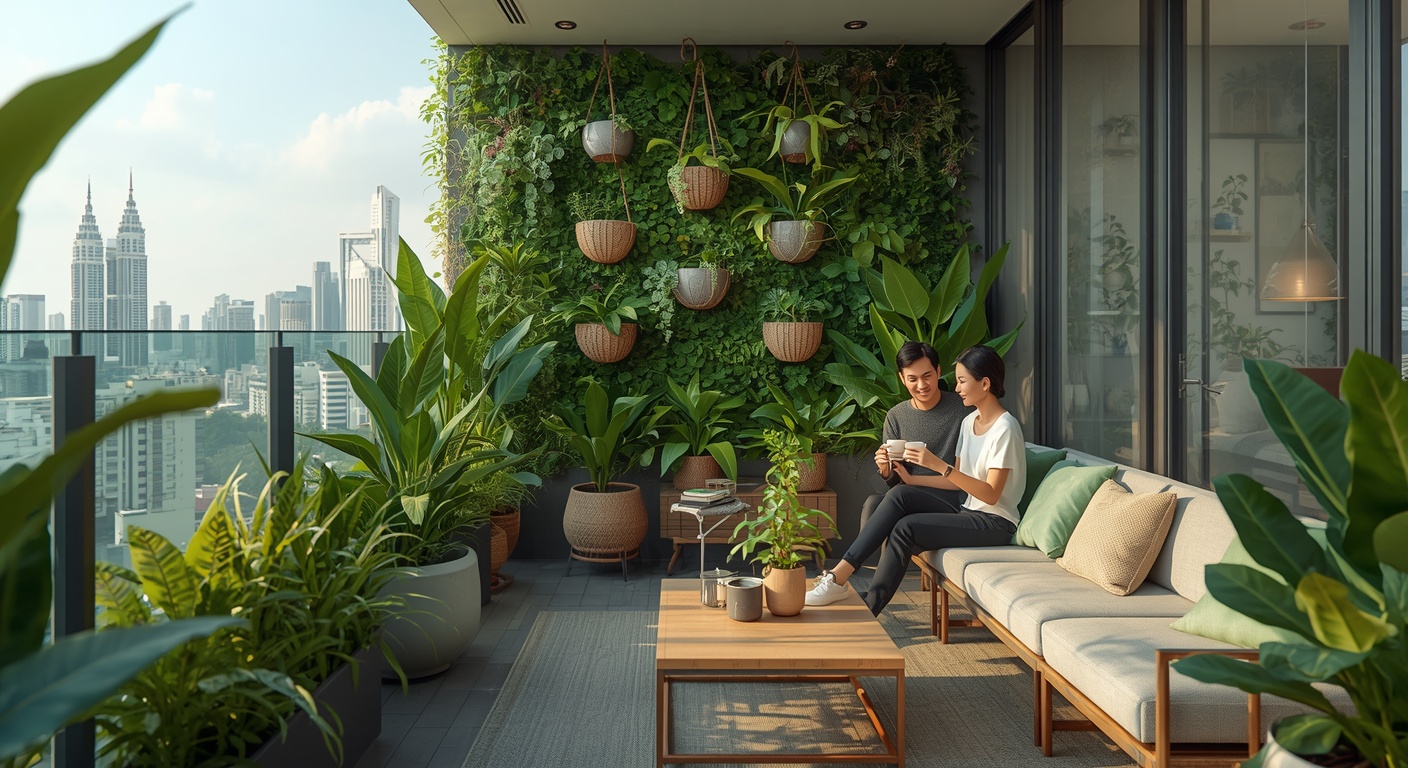
Creating a balcony garden malaysia style is one of the easiest ways to make a small condo, apartment, or terrace home feel more relaxing. In Malaysian cities, many homeowners only have a compact balcony to enjoy greenery, so the key is choosing the right plants, layout, and care routine for hot sun, heavy rain, and limited space. A good balcony garden does not need to be expensive or complicated. With a simple plan, you can turn a bare balcony into a practical green corner for herbs, flowers, privacy, and a cooler home environment.
If you are planning a broader home refresh, it also helps to think about how your outdoor corner fits with your indoor style. You can get more ideas from this Interior Design Malaysia Guide and explore more outdoor inspiration in these Landscaping Ideas Malaysia.
Start with your balcony conditions
The best balcony garden starts with understanding your actual space, not just copying photos online. Malaysian balconies vary a lot. Some face strong afternoon sun, some are shaded most of the day, and some are exposed to wind and rain during monsoon seasons. Before buying pots and plants, spend a few days observing your balcony.
Check these basic factors first
- Sunlight: Count how many hours of direct sun your balcony gets. Morning sun is gentler, while afternoon sun can be harsh.
- Wind exposure: High-rise balconies often face strong winds that can dry out soil and damage taller plants.
- Rain exposure: Open balconies may get drenched during heavy rain, so drainage matters.
- Weight limits: Avoid overloading your balcony with too many heavy ceramic pots or large water features.
- Water access: If there is no nearby tap, choose a setup that is easy to water using a watering can or simple hose connection.
Knowing these conditions helps you avoid the most common problem: buying plants that look nice in a nursery but cannot survive your balcony environment.
Choose the right balcony garden layout for small spaces
In Malaysia, many urban homes have narrow balconies, so space-saving design matters more than decoration alone. A practical layout should leave enough room to walk, clean, and enjoy the space. The easiest approach is to divide the balcony into zones rather than filling every corner with pots.
Simple layout ideas that work well
- Railing planters: Good for herbs, small flowers, and trailing plants without using floor space.
- Vertical racks: Multi-tier shelves let you grow more plants in a compact area.
- Corner feature: Use one corner for taller plants like bamboo palm or lady palm to create a mini green focal point.
- Bench with planters: A narrow bench with pots under or beside it gives both seating and greenery.
- Hanging pots: Useful for lightweight ornamental plants, but make sure they are securely installed.
For very small balconies, it is better to use fewer pots in a neat arrangement than to overcrowd the area. A cluttered setup can block airflow, attract pests, and make cleaning harder. If your balcony is part of a larger home improvement plan, this Home Renovation Guide Malaysia can help you think through practical upgrades and space planning.
A good planting mix for small balconies
Try combining three types of plants:
- Functional plants such as pandan, mint, curry leaf, or basil
- Decorative foliage such as pothos, calathea, snake plant, or ferns
- Accent plants such as bougainvillea, dwarf ixora, or flowering portulaca for colour
This mix gives you beauty, usefulness, and variety without making the balcony feel chaotic.
Pick plants that can handle Malaysian weather
The biggest success factor in a balcony garden malaysia setup is plant selection. Malaysia’s warm, humid climate supports many tropical plants, but not every plant suits direct sun, exposed balconies, or beginner care levels.
Best low-maintenance choices for beginners
| Plant Type | Examples | Best For | Care Notes |
|---|---|---|---|
| Herbs | Mint, pandan, basil, curry leaf | Small edible gardens | Need regular trimming and good drainage |
| Foliage plants | Snake plant, pothos, peace lily, ferns | Shaded or semi-shaded balconies | Do not overwater |
| Sun-loving flowers | Bougainvillea, portulaca, ixora | Bright balconies with direct sun | Need more light and occasional feeding |
| Privacy plants | Areca palm, bamboo palm, tall shrubs in pots | Screening neighbours or roads | Choose pots with stable bases |
If your balcony receives intense afternoon sun, choose hardy plants that tolerate heat well. If the space is mostly shaded, focus on foliage rather than flowers. Many homeowners make the mistake of choosing flowering plants for a shady balcony, then feel disappointed when the blooms do not last.
Tips for edible balcony gardens
If you want herbs or small edible plants, start small. A few useful kitchen plants are easier to maintain than a full edible garden. Good starter options include:
- Mint
- Thai basil
- Pandan
- Spring onions
- Chilli in pots
Put edible plants where they get enough light and are easy to reach for watering and harvesting.
Use the right pots, soil, and drainage
Good containers and soil make a big difference, especially on balconies where plants depend fully on what you provide. In Malaysia’s humid climate, poor drainage can quickly lead to root rot, fungus, and mosquito problems.
Best container choices
- Plastic pots: Lightweight and affordable, suitable for high-rise balconies
- Fibreglass pots: Stylish and lighter than ceramic
- Terracotta pots: Attractive and breathable, but heavier and dry out faster
- Self-watering planters: Helpful for busy homeowners, but still check water levels regularly
Always choose pots with drainage holes. Place saucers carefully and empty standing water after rain to reduce mosquito breeding.
Basic soil setup
Do not use ordinary garden soil alone. For potted balcony plants, use a well-draining potting mix. A practical combo is:
- Potting mix
- Compost or organic matter
- Perlite, sand, or cocopeat depending on the plant type
This helps roots stay healthy even during frequent rain. Add mulch on top if your balcony gets strong heat, as it helps hold moisture in the soil.
Quick balcony garden checklist
- Use lightweight pots where possible
- Check that every pot has drainage holes
- Avoid water collecting in trays
- Group plants by similar light and watering needs
- Leave enough space for airflow and sweeping
- Secure shelves and hanging planters properly
Keep maintenance simple and realistic
A balcony garden should feel enjoyable, not stressful. The best setup is one you can maintain consistently. In Malaysian homes, heat, humidity, and rain can speed up plant growth, but they can also encourage pests and mould if the garden is neglected.
Easy maintenance routine
Follow a simple weekly routine:
- Check soil moisture before watering
- Remove yellow leaves and dead flowers
- Look for pests under leaves and around stems
- Wipe balcony surfaces and clear fallen leaves
- Rotate pots occasionally for even growth
- Feed plants lightly when needed
Morning is usually the best time to water. Watering late at night can leave the area damp for too long, especially in shaded balconies. If you travel often or have a busy schedule, choose tougher plants and consider a basic self-watering system.
It also helps to keep the whole home care routine organised. This Home Maintenance Checklist Malaysia is useful for staying on top of regular upkeep, including outdoor spaces.
How to manage pests naturally
Common balcony garden pests in Malaysia include aphids, mealybugs, spider mites, and mosquitoes around standing water. To reduce problems:
- Do not overwater
- Improve airflow between pots
- Prune overcrowded plants
- Check new plants before placing them with others
- Use mild soap spray or neem-based solutions if needed
Healthy plants are usually more resistant to pests than weak, stressed plants.
Common mistakes to avoid when planning a balcony garden
Many balcony gardens fail not because the space is too small, but because of a few avoidable mistakes. If you plan around these early, your garden will be easier to maintain and more enjoyable to use.
Common mistakes
- Overcrowding the balcony: Too many pots make the area messy and difficult to clean.
- Ignoring sunlight: Plants placed in the wrong light conditions often struggle.
- Using heavy materials everywhere: Large stone pots may not be practical for upper-floor balconies.
- Choosing high-maintenance plants first: Beginners do better with hardy, forgiving plants.
- Poor drainage: Standing water causes root rot and mosquito issues.
- No clear design goal: A balcony garden works better when you decide if you want herbs, privacy, decoration, or seating.
Another common issue is treating the balcony as a storage area and garden at the same time. If possible, keep cleaning tools, laundry racks, and bulky items separate so the space still feels calm and usable.
FAQ about balcony garden ideas in Malaysia
What are the best plants for a balcony garden in Malaysia?
Good options include snake plant, pothos, ferns, peace lily, mint, pandan, basil, bougainvillea, and portulaca. The best choice depends on how much direct sun and wind your balcony gets.
How do I make a small balcony look green without using too much floor space?
Use railing planters, vertical shelves, hanging pots, and wall-friendly plant stands. Focus on height and layering instead of filling the entire floor with containers.
Can I grow herbs on a condo balcony in Malaysia?
Yes, many herbs grow well on condo balconies if they get enough light and proper drainage. Mint, basil, pandan, spring onions, and chillies are practical beginner choices.
How often should I water a balcony garden?
It depends on plant type, pot size, and weather. In hot periods, some plants may need more frequent watering, while shaded plants may need less. Check the soil first instead of watering on a fixed schedule only.
How can I prevent mosquitoes in my balcony garden?
Avoid standing water in trays, pots, and containers. Empty excess water after rain, keep the area clean, and make sure all pots drain properly.
A well-planned balcony garden can make even a small urban home feel more comfortable and personal. The secret is not having more plants, but choosing the right plants and arranging them in a way that suits your light, weather exposure, and lifestyle. Start small, keep the layout practical, and build your balcony garden over time. That approach usually works better than trying to create a full tropical retreat in one weekend.


