
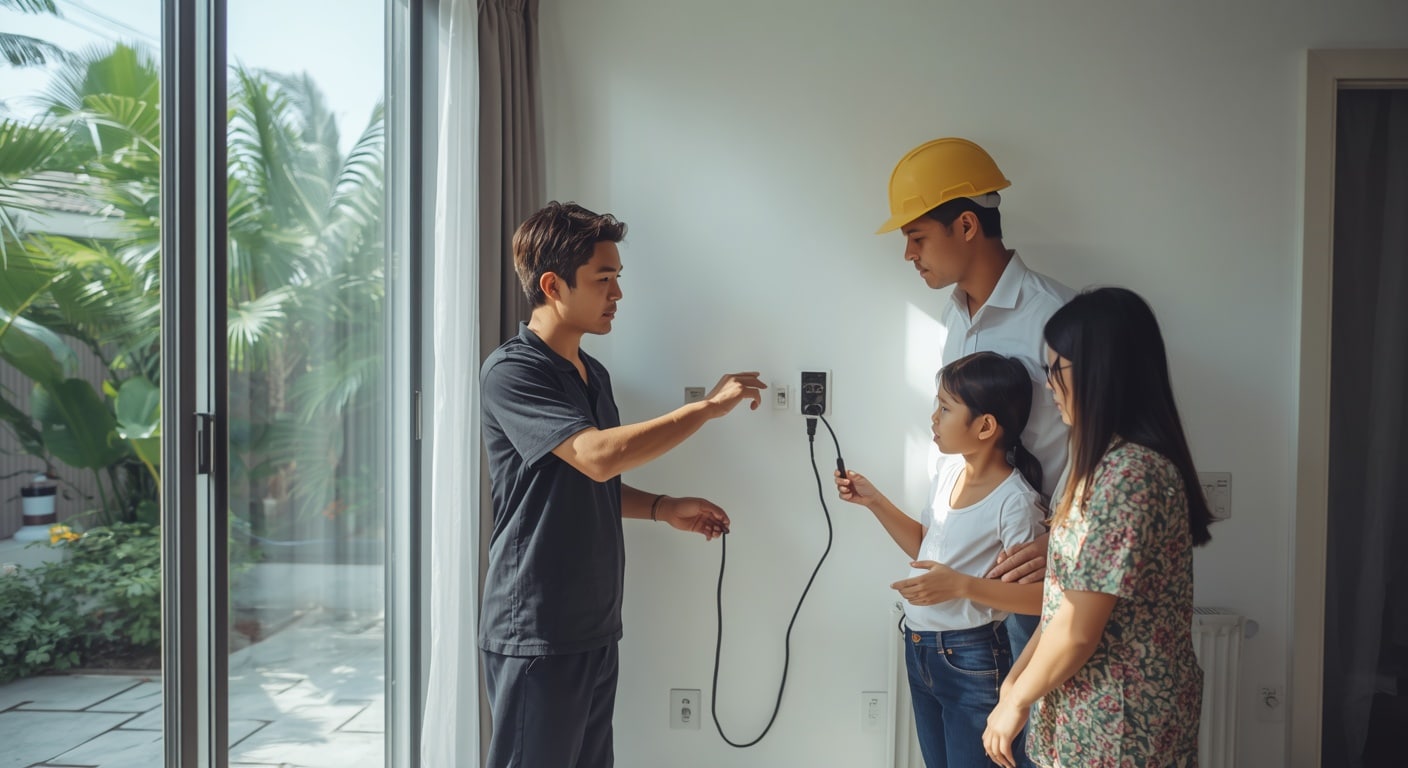
Electrical Safety Tips Malaysia matters for every homeowner because our hot, humid weather, frequent appliance use, and mix of older and newer wiring can increase everyday risks at home. A safe electrical setup helps prevent shock, fire, damaged appliances, and costly repairs. Whether you live in a condo, terrace house, or landed property, a few practical habits can make a big difference. This guide covers simple steps Malaysian homeowners can follow to check common hazards, use appliances safely, and know when to call a licensed electrician.
Why electrical safety matters in Malaysian homes
Many homes in Malaysia rely on multiple air-conditioners, water heaters, refrigerators, rice cookers, washing machines, and extension plugs every day. When these are used on overloaded circuits or outdated wiring, the risk goes up quickly. Moisture is another concern. Bathrooms, kitchens, balconies, and outdoor areas can expose electrical points to water, condensation, and heat.
If you are moving into an older home or planning upgrades, it helps to review safety early as part of your overall Home Renovation Guide Malaysia. Electrical work should not be treated as a minor afterthought, especially if you are adding power points, changing lighting, or installing a new water heater.
Good electrical safety is not only about major rewiring. It also includes daily habits such as not daisy-chaining extension cords, replacing damaged plugs, and switching off appliances correctly. These simple actions reduce avoidable risks and extend the life of your equipment.
Check these high-risk areas first
If you want to improve home safety quickly, start with the places where electrical faults are most likely to happen.
Distribution board and trip switches
Your distribution board should be clearly labelled and easy to access. If you notice frequent tripping, buzzing sounds, burn marks, or a hot panel cover, do not ignore it. These signs may point to overloaded circuits, loose connections, or faulty breakers.
Bathrooms and water heaters
Bathrooms are one of the highest-risk areas because electricity and water are close together. Instant water heaters should be installed properly, with correct earthing and protective devices. If the heater gives a mild shock, trips often, or behaves inconsistently, stop using it and get it checked immediately.
Kitchen sockets and countertop appliances
Kettles, microwaves, air fryers, and rice cookers draw significant power. Avoid plugging too many of them into one extension strip. Keep cords away from heat, oil, and sinks. If a socket plate feels warm or discoloured, it may need replacement.
Outdoor points and wet areas
Garden lights, gate motors, pump systems, and outdoor sockets should be suitable for exposed areas. Damaged covers, cracked casings, or loose wiring outdoors can become dangerous during heavy rain.
Old wiring and loose wall sockets
In older homes, power points may be loose, sparking, or unable to hold plugs firmly. This is not just inconvenient. Loose sockets can lead to overheating and fire. If your home has not had an electrical inspection for many years, it is worth arranging one.
Daily electrical safety habits that prevent common accidents
Most household electrical incidents begin with small warning signs. The safest approach is to deal with problems early rather than wait for a major failure.
- Do not overload extension plugs. High-power appliances should ideally use wall sockets directly.
- Unplug by holding the plug head. Pulling the cord can damage internal wires over time.
- Replace damaged cables immediately. Frayed, exposed, or taped-over cords are not safe long term.
- Keep hands dry when switching appliances on or off. This is especially important in kitchens, yards, and bathrooms.
- Switch off unused appliances during storms. Power surges can damage electronics and some appliances.
- Use the right bulb wattage and fittings. Wrong combinations can overheat light fixtures.
- Keep children away from open sockets. Use socket covers if needed in homes with young kids.
For new homeowners, these checks should be part of your basic move-in routine alongside cleaning, repairs, and utility setup. A practical reference is the First Homeowner Checklist Malaysia, which helps you organise early safety tasks room by room.
How to use appliances and extension cords safely
Appliance misuse is one of the most common causes of trips, overheating, and damaged sockets. The goal is simple: match the appliance to a suitable power source and avoid temporary solutions becoming permanent habits.
Appliances that usually need extra care
- Instant and storage water heaters
- Air-conditioners
- Washing machines and dryers
- Microwaves and ovens
- Electric kettles and induction cookers
- Large refrigerators
These appliances may draw more current than small electronics. Avoid sharing one extension strip between several heavy-use devices. If a room does not have enough wall sockets, it is better to install additional points properly than to rely on adapters everywhere.
Practical appliance safety tips
- Check the plug and cable before regular use, especially for heaters and kitchen appliances.
- Place appliances in well-ventilated areas so heat can escape.
- Keep extension cords visible and uncovered. Do not run them under rugs or heavy furniture.
- Do not use outdoor extension leads permanently in the sun and rain unless they are made for that purpose.
- Switch off and unplug small appliances when not in use, especially before travel.
If you are comparing appliances for functionality and efficiency, review practical buying advice in Best Home Appliances Malaysia. Choosing suitable appliances for your home setup can reduce overloading and improve everyday safety.
When to call a licensed electrician
Some issues should never be handled as DIY jobs. Small cosmetic tasks are one thing, but electrical diagnosis and repair should be done by trained professionals.
Call a licensed electrician if you notice any of the following:
- Frequent circuit trips without a clear reason
- Burning smell near switches or sockets
- Sparking outlets or flashing lights
- Mild shocks from taps, heaters, or appliances
- Buzzing sounds from the distribution board
- Water leaks near wiring or fittings
- Old wiring during renovation works
- Insufficient sockets leading to heavy adapter use
If you are budgeting for home upgrades, remember to include electrical inspection and rewiring where needed. This is often overlooked when people focus only on finishes and furniture. Planning your upgrade costs early using a resource like House Renovation Cost Malaysia can help you avoid cutting corners on critical safety work.
In Malaysia, electrical work should comply with current safety requirements and be carried out properly. This is especially important for water heaters, outdoor lighting, air-conditioner points, and kitchen circuits.
Pro Tips for a safer home electrical setup
Once the basics are covered, these extra steps can make your home safer and easier to manage in the long run.
- Label your trip switches clearly. In an emergency, you can isolate the correct circuit faster.
- Test protective devices periodically. If your home has test buttons on safety devices, follow the manufacturer or electrician’s advice on checking them.
- Book a periodic inspection. This is especially useful for older homes, rental properties, and homes with major appliance additions.
- Upgrade poor-quality accessories. Cheap extension strips and worn-out adapters are not worth the risk.
- Use weather-appropriate fittings outdoors. This matters in Malaysia where heavy rain and heat are common.
- Review your electrical load after renovations. New appliances, extra air-conditioners, and added lighting may change your circuit needs.
If you are adding automation, cameras, smart switches, or remote controls, make sure the setup is properly planned and installed. Smart devices still depend on safe wiring. You can read more in the Smart Home Guide Malaysia if you are modernising your home without compromising safety.
Quick home electrical safety checklist
Use this short checklist every few months:
| Item | What to check |
|---|---|
| Wall sockets | No looseness, heat marks, cracks, or sparking |
| Plugs and cords | No fraying, exposed wires, or bent pins |
| Extension strips | Not overloaded, not daisy-chained, no heavy appliances sharing unsafely |
| Bathroom heater | Working normally, no shocks, no random trips |
| Distribution board | No buzzing, heat, burning smell, or unexplained tripping |
| Kitchen appliances | Used with suitable sockets and kept away from water |
| Outdoor points | Covers intact, no exposed wiring, no water entry signs |
| Lighting | No flickering, overheating fittings, or incorrect bulbs |
FAQ
1. What is the most common electrical safety issue in Malaysian homes?
Overloaded sockets and extension plugs are very common, especially where many appliances are used in the same room. Old wiring, loose sockets, and bathroom water heater issues are also frequent concerns.
2. Is it safe to use extension plugs for air-conditioners or water heaters?
It is generally better for high-power appliances to use a proper wall socket and circuit setup rather than a basic extension plug. If you are unsure, ask a licensed electrician to check the load and wiring.
3. How often should I get my home electrical system checked?
There is no one-size-fits-all answer, but older homes, recently purchased homes, and homes with frequent tripping or visible issues should be checked sooner. An inspection is also wise before or during renovation works.
4. Why does my water heater trip the power?
This can happen because of faulty internal parts, moisture-related problems, poor wiring, earthing issues, or a protective device doing its job. Stop using the heater and get it inspected promptly.
5. Can I do small electrical repairs myself?
Simple tasks like changing a bulb are usually fine, but anything involving wiring, sockets, switches, the distribution board, or water heater connections should be handled by a licensed electrician. DIY repairs can create hidden hazards if done incorrectly.
Electrical safety does not need to be complicated. Start with the highest-risk areas, fix obvious warning signs early, and avoid overloading your home with temporary plug solutions. For Malaysian households, a few sensible checks and better habits can prevent major accidents and expensive damage. If something feels off, trips often, or shows signs of heat or burning, do not wait. Get a qualified electrician to assess it properly.


