
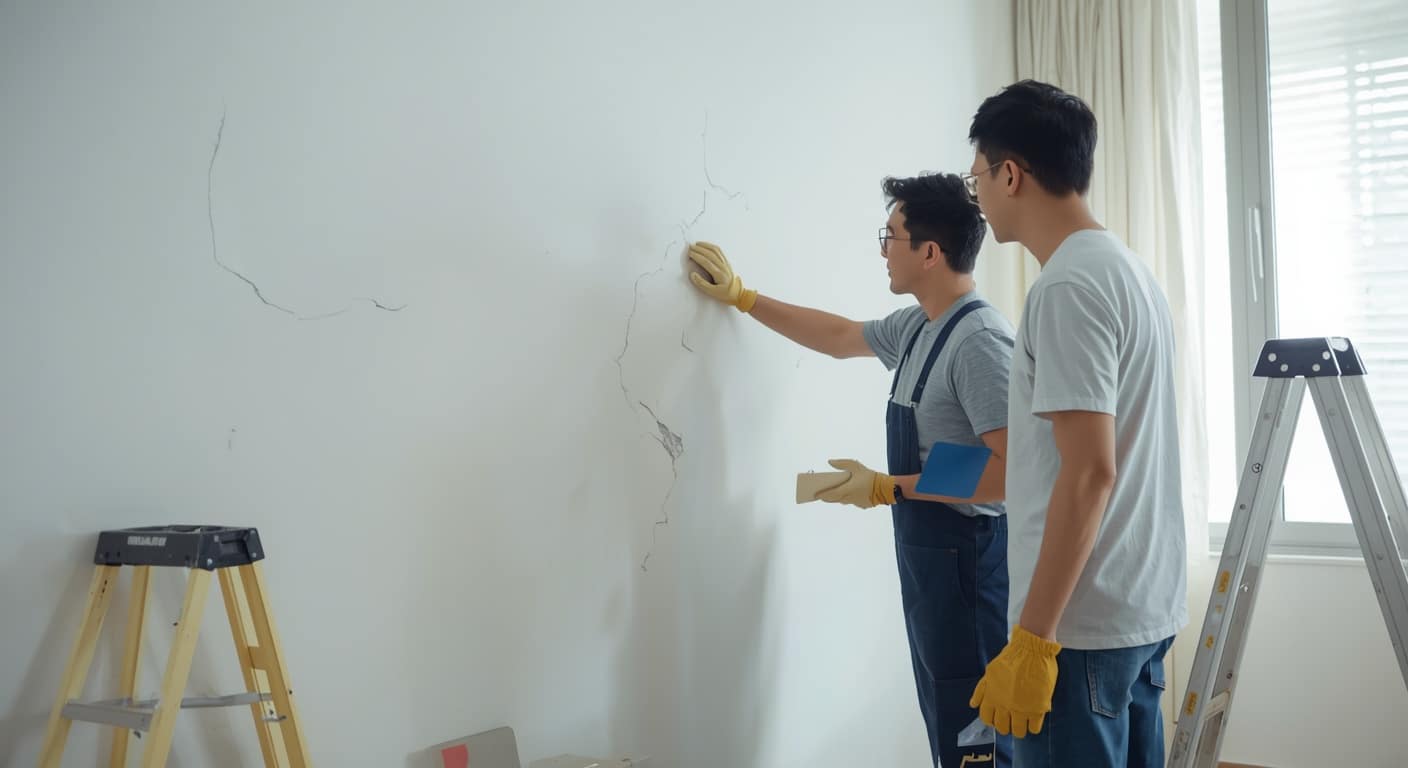
Not every wall crack means your house is unsafe, but ignoring the problem can make repairs more expensive later. This Wall Crack Repair Guide Malaysia explains how to identify common crack types, understand likely causes, and choose the right fix for Malaysian homes. Whether you live in a landed house, condo, apartment, or terrace home, wall cracks can appear due to heat, moisture, foundation movement, poor workmanship, or simple material shrinkage. The key is knowing which cracks are cosmetic and which ones need professional attention.
Many homeowners first notice cracks during repainting, renovation, or routine upkeep. If you are already planning broader works, it helps to read a Home Renovation Guide Malaysia so repairs can be coordinated properly. For ongoing upkeep, a simple Home Maintenance Checklist Malaysia can also help you spot early warning signs before minor cracks become bigger issues.
1. Common types of wall cracks in Malaysian homes
Before repairing anything, identify the type of crack. The pattern, width, and location often tell you what caused it.
Hairline cracks
These are very thin surface cracks, usually found on plaster, skim coat, or paint. They are common in new homes and recently renovated properties because materials dry and shrink over time. In Malaysia’s hot and humid weather, expansion and contraction can make these more visible.
Vertical cracks
Vertical cracks often appear where different materials meet, such as brick wall and concrete column. They may also happen due to plaster shrinkage or slight building movement. Small vertical cracks are often repairable with patching and repainting.
Diagonal cracks
Diagonal cracks, especially around doors, windows, and corners, may suggest movement in the wall or structure. Sometimes they happen because openings create weak points. If they keep widening, professional inspection is safer.
Horizontal cracks
Horizontal cracks are less common in ordinary interior plaster and can be more concerning, particularly if they are long, wide, or found on structural walls. Water pressure, movement, or deeper structural issues may be involved.
Cracks with damp stains
If a crack is accompanied by bubbling paint, mould, peeling finish, or water marks, moisture is likely part of the problem. In Malaysia, this is common on exterior-facing walls, bathrooms, kitchens, and walls exposed to driving rain.
2. What causes wall cracks?
Wall cracks usually come from one or more root causes. Repairing the surface without dealing with the source often means the crack returns.
Material shrinkage
Cement plaster, skim coat, and paint can shrink slightly as they dry. This is one of the most common reasons for hairline cracks in newer units or freshly repaired walls.
Temperature and humidity changes
Malaysia’s climate exposes homes to strong sun, heavy rain, and fluctuating moisture levels. Walls expand and contract, especially external walls and upper-floor rooms that receive more heat. Over time, small cracks can form at joints and weak spots.
Settlement and movement
All buildings move a little. Minor settlement may create small cracks, especially in the first few years. More serious movement can create diagonal or widening cracks around windows, doors, beams, and columns.
Poor workmanship
Incorrect plaster mix, rushing drying time, uneven application, weak joint treatment, or painting over damp surfaces can all lead to premature cracking. This is often seen after renovation works if preparation was poor.
Water intrusion
Leaking pipes, failed waterproofing, roof leaks, or rain penetration can weaken plaster and paint. Once moisture enters the wall system, cracks, stains, and hollow patches may appear together.
3. How to tell if a crack is minor or serious
A practical wall crack repair guide should help you decide when DIY is enough and when to call a contractor or engineer.
Usually minor
- Hairline crack on paint or plaster only
- Crack is very narrow and not growing
- No dampness, bulging, or hollow sound
- Limited to skim coat or surface finish
- Appears after repainting or recent renovation
Needs closer monitoring
- Crack returns after repair
- Crack forms around door and window corners
- Several cracks appear in the same area
- Crack is visible on both sides of the wall
- There are signs of slight misalignment at door frames
Call a professional urgently
- Crack is wide, deep, or getting longer quickly
- Horizontal crack on a structural wall
- Wall is bulging, uneven, or sounds hollow in a large area
- Water seepage is severe or persistent
- Doors and windows suddenly jam together with new cracks
If you are budgeting for extensive repairs or hacking and replastering, it is useful to compare likely costs with this House Renovation Cost Malaysia guide before committing to larger work.
4. Step-by-step fixes for common wall cracks
The right repair depends on whether the crack is cosmetic, moisture-related, or movement-related.
Fixing hairline plaster or paint cracks
- Scrape away loose paint, skim coat, or powdery material.
- Use a putty knife to slightly open the crack so filler can bond better.
- Clean dust thoroughly.
- Apply suitable wall filler or crack filler.
- Let it dry fully according to product instructions.
- Sand smooth.
- Apply sealer if needed, then repaint.
This method works best for non-structural, dry surface cracks.
Fixing recurring cracks at joints
For cracks where different surfaces meet, flexible filler is usually better than standard rigid filler. In some cases, mesh tape may be needed before skim coating again. This helps reduce the chance of the crack reappearing too soon.
Fixing cracks caused by dampness
Do not patch and paint immediately. First find the moisture source:
- Check roof or ceiling leaks
- Inspect external wall exposure to rain
- Look for plumbing leaks in bathrooms or kitchens
- Review waterproofing at balconies and wet areas
After stopping the leak, allow the wall to dry properly. Then remove damaged plaster or paint, treat affected surfaces, patch the wall, and repaint. If you skip the drying stage, the crack or blistering may come back.
Fixing deeper plaster cracks
If the crack is deeper than the finish coat, damaged plaster may need to be cut out and redone. The surface should be rebuilt in layers and allowed to cure properly. For larger areas, hiring an experienced plastering contractor is usually the safer option.
When structural diagnosis is needed
If cracks suggest settlement or structural movement, avoid guessing. A contractor, building inspector, or engineer can assess whether the issue is only in plaster or involves the wall structure itself. Surface filler alone will not solve movement-related cracking.
5. Common mistakes homeowners make
Many wall repairs fail because of simple but costly mistakes.
- Painting over the crack without filling it: the line usually shows again quickly.
- Ignoring water damage: if moisture is the cause, cracks and peeling will return.
- Using the wrong filler: rigid filler may fail at movement joints.
- Repairing before the wall is dry: trapped moisture weakens adhesion.
- Skipping surface preparation: dust, loose paint, and chalky plaster reduce bonding.
- Assuming every crack is cosmetic: some need proper inspection.
If you recently moved into a new property, it is smart to document cracks early as part of your defect check. A practical starting point is this First Homeowner Checklist Malaysia, especially for new handovers and recently renovated homes.
6. Pro tips and a simple inspection checklist
Small cracks are easier and cheaper to fix when caught early. Use these tips before deciding on DIY or professional repair.
Pro tips
- Take clear photos and compare them monthly to see whether the crack is growing.
- Measure the crack roughly using a ruler or coin for reference.
- Pay attention to nearby signs such as damp patches, peeling paint, and sticking doors.
- Repair the root cause first, then the wall finish.
- For exterior walls, inspect after heavy rain.
- When repainting, use quality primer and suitable paint system for the wall condition.
Quick wall crack checklist
- Is the crack hairline, medium, or wide?
- Is it vertical, diagonal, or horizontal?
- Is the wall dry or damp?
- Has the crack changed in size?
- Is it near a window, door, beam, or column?
- Does the area sound hollow when tapped?
- Was there recent renovation, hacking, or plumbing work?
- Do nearby doors or windows no longer close properly?
If your answers suggest moisture, repeated movement, or multiple warning signs together, get a professional opinion before spending money on cosmetic repair.
FAQ
Are hairline wall cracks normal in Malaysia?
Yes, hairline cracks on plaster or paint are fairly common, especially in new homes, after renovation, or on walls exposed to heat and humidity changes. They are often cosmetic, but monitor them for growth or dampness.
Can I repair wall cracks myself?
You can usually repair small surface cracks yourself if the wall is dry and the crack is minor. Clean the area, apply suitable filler, sand smooth, and repaint. If the crack is deep, recurring, wide, or linked to water seepage, professional help is better.
When should I worry about a wall crack?
Be more cautious if the crack is diagonal or horizontal, keeps widening, appears with damp stains, or comes with sticking doors and windows. These signs may point to movement or hidden damage beyond the surface finish.
Will repainting alone fix a crack?
No. Repainting alone usually hides the crack only temporarily. The crack should be prepared and filled properly, and the root cause such as shrinkage, movement, or moisture should be addressed first.
How do I prevent wall cracks from coming back?
Use the correct repair method for the crack type, fix leaks early, allow patched areas to dry fully, and choose suitable filler and primer. Regular home checks help catch small issues before they become larger repairs.
Wall cracks are common, but they should not be dismissed without checking the pattern, cause, and condition of the wall. In most homes, surface cracks can be repaired successfully with proper preparation and the right filler. But when cracks are growing, damp, or affecting doors and windows, treat them as a warning sign instead of just a paint problem. A careful inspection now can save you from more disruptive repairs later.


