
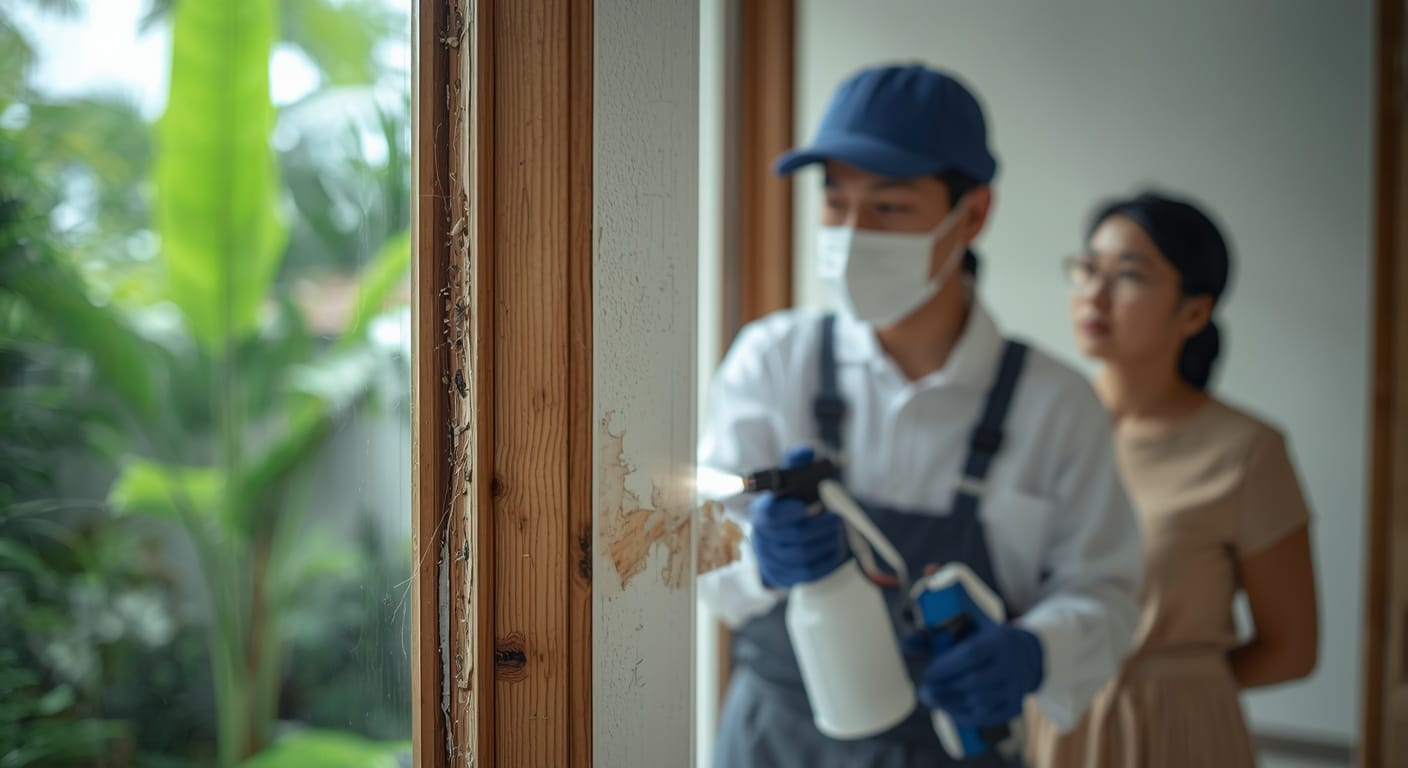
Termite Treatment Malaysia services help homeowners stop damage early, protect timber structures, and avoid more expensive repairs later. In Malaysia’s warm and humid climate, termites can stay active throughout the year, which means infestations often spread quietly behind walls, flooring, built-ins, and roof structures before you notice obvious signs. If you are comparing treatment options, this guide explains the common types of termite treatment, what affects cost, how the process usually works, and what to expect before and after a professional visit.
Whether you live in a landed home, townhouse, or renovated older property, the right approach depends on the termite species, the layout of your house, and how severe the infestation is. If you are planning wider upkeep, it also helps to review a home maintenance checklist Malaysia so termite prevention becomes part of your regular routine.
Why termite problems are common in Malaysia
Malaysia’s weather creates ideal conditions for termites. Constant heat, moisture, soil contact, and frequent rain make many homes vulnerable, especially landed properties with gardens, timber door frames, kitchen cabinets, roof spaces, or external wood features. Subterranean termites are especially common because they travel through soil and build hidden mud tubes to reach food sources inside the home.
Homes may face higher risk if they have:
- Wooden fixtures in contact with damp walls or floors
- Poor drainage around the house perimeter
- Leaky pipes, bathrooms, or roof areas
- Garden mulch, stumps, or old timber near the structure
- Ground floor extensions or renovations without termite barriers
In many cases, homeowners only realise there is a problem when paint starts bubbling, wood sounds hollow, doors no longer close properly, or wings from swarmers appear near windows and lights. By that stage, hidden damage may already be significant.
Types of termite treatment used in Malaysia
There is no single treatment that suits every home. Professional pest control companies usually recommend a method based on the size of the infestation, location of termite activity, accessibility, and how long-term the protection needs to be.
1. Soil treatment
Soil treatment creates a chemical barrier in the ground around the building. This is commonly used for subterranean termites. Technicians may drill along the perimeter, inject solution into the soil, and treat critical entry points such as expansion joints, wall edges, and external pathways.
This option is often recommended for landed houses because termites commonly come from the soil below or around the property. It may also be used as a preventive measure for homes with a history of infestation.
2. Baiting systems
Baiting places termite stations around the property to attract worker termites, which then carry the active ingredient back to the colony. This method targets the colony over time rather than only blocking termite entry points.
Baiting is often useful when:
- The colony location is unknown
- Drilling and trenching are less practical
- The homeowner wants a lower-disruption option
- Ongoing monitoring is preferred
Baiting may take longer to show results than direct treatment, but it can be effective when properly monitored and maintained.
3. Direct wood treatment
When termites are found in a specific timber element, direct treatment may be applied to the affected wood. This can include foam, spray, dust, or injection into infested areas such as built-in cabinets, door frames, skirting, or roof timbers.
This method is useful for localised activity, but it may not be enough on its own if the termite source is in the soil or another hidden part of the property.
4. Pre-construction treatment
For new builds or major renovations, termite protection can be installed before flooring or structural works are completed. This may include soil treatment under slabs or physical barriers. If you are planning a major upgrade, it is worth factoring this into your broader house renovation cost Malaysia planning so you avoid expensive future repairs.
What affects termite treatment cost in Malaysia
Termite treatment prices vary because every infestation is different. Reliable contractors usually inspect the site first before giving a quote. Be careful with unusually low prices that do not explain scope, treatment method, follow-up visits, or warranty terms.
Common factors that affect pricing include:
- Type of termite involved
- Severity of infestation
- Size of the property
- Landed home versus strata unit
- Accessibility of infested areas
- Type of treatment chosen
- Number of bait stations or drilling points needed
- Need for follow-up visits and monitoring
- Whether damaged wood removal or repair is required
As a general guide, spot treatments for a small localised issue usually cost less than full perimeter soil treatment or long-term baiting programs for larger homes. A condominium unit may need a different approach from a terrace or semi-D because termites in high-rise units can sometimes come through shared service routes, door frames, or built-ins rather than direct soil contact.
When comparing quotations, ask for a clear breakdown of:
- Inspection findings
- Treatment areas included
- Products or method used
- Number of visits
- Monitoring schedule
- Warranty or service guarantee terms
- Retreatment conditions if termites return
What to expect during the termite treatment process
Most professional termite treatment jobs follow a fairly standard process, although the details depend on the method used.
Inspection and assessment
The first step is identifying the species, extent of activity, likely access points, and moisture conditions. Technicians will typically inspect skirting, cabinets, timber trims, roof spaces, external walls, garden edges, and any visible mud tubes or damaged wood.
Treatment recommendation
After inspection, the contractor should explain whether you need local treatment, full perimeter protection, baiting, or a combination. Good providers will also point out environmental conditions that increase risk, such as leaking pipes or poor drainage.
Site preparation
You may be asked to move furniture away from certain walls, clear access to external perimeter areas, or remove stored items from affected rooms. For outdoor work, plan for easy access around the house.
Treatment day
Depending on the system, the team may drill tiled or concrete areas, inject treatment into soil, install bait stations, or apply direct treatment to timber. Some noise and minor dust can be expected during drilling. For most homes, the work is manageable in a day, though larger properties or complex infestations may take longer.
Aftercare and monitoring
Termite control does not end the moment the technician leaves. Bait systems require monitoring, while treated homes should still be checked periodically for new activity, excess moisture, or fresh mud tubes. Homeowners should also repair leaks quickly and avoid storing timber, cardboard, or unused wood close to walls.
How to choose the right termite treatment company
Choosing the cheapest quote is risky if the scope is too limited. A better approach is to look for a provider that can explain the problem clearly and recommend treatment suited to your property, not just a generic package.
Before you hire, ask these questions:
- What type of termites did you identify?
- Is the treatment meant to kill active termites, protect the home, or both?
- What areas will be treated?
- How long should the treatment remain effective?
- Do you provide follow-up inspections?
- What warranty is included, and what are the conditions?
- Will drilling be needed, and where?
- What should I do before and after treatment?
If your house has extensive timber renovation work, custom carpentry, or concealed built-ins, mention that during inspection. Homes with heavy interior fit-outs may need more careful checking, especially around wardrobes, feature walls, and kitchen cabinets. If you are upgrading or reconfiguring your home, it may help to plan protection together with your broader interior design Malaysia guide decisions so hidden timber areas are not overlooked.
Common mistakes homeowners make
- Waiting too long: Small signs like hollow skirting or discarded wings are often ignored until damage becomes costly.
- Using DIY spray only: Spraying visible termites may not solve the colony problem and can cause termites to relocate deeper into the structure.
- Skipping moisture repairs: Leaks, pooling water, and damp wood make reinfestation more likely.
- Comparing quotes without comparing scope: A lower quote may cover only a small spot treatment, not full protection.
- Assuming one treatment lasts forever: Homes still need monitoring, especially in high-risk areas.
Quick termite prevention checklist
- Inspect timber skirting, cabinets, and door frames every few months.
- Fix plumbing leaks, roof leaks, and damp wall issues quickly.
- Keep soil, mulch, and planter beds from touching external walls.
- Do not store cardboard, old wood, or furniture against perimeter walls.
- Check for mud tubes near outdoor walls, drains, and gate pillars.
- Arrange a professional inspection if your home is older or has prior termite history.
FAQ: Termite Treatment Malaysia
How do I know if I need professional termite treatment?
If you see mud tubes, hollow-sounding wood, bubbling paint, discarded wings, or sagging timber, call a professional. In Malaysia, termites often stay hidden, so visible signs usually mean there is already active or recent infestation.
Is termite treatment safe for families and pets?
Professional companies should explain the treatment method, safety precautions, and when treated areas can be used normally again. Always follow their advice on ventilation, cleaning, and temporary access restrictions, especially if you have children, elderly family members, or pets.
How long does termite treatment take to work?
Direct treatments may act faster on localised infestations, while baiting systems usually take more time because workers must carry the bait back to the colony. The timeline depends on the treatment type, infestation size, and termite activity level.
Can termites come back after treatment?
Yes, termites can return if there is a new colony, untreated entry route, or ongoing moisture issue. That is why follow-up inspections, maintenance, and prevention steps are important even after successful treatment.
Should I treat termites before renovating?
Yes, especially if your renovation involves flooring, built-ins, wall openings, or timber carpentry. Treating termites before or during renovation can prevent hidden infestation from damaging new finishes and materials later.
Termite problems rarely improve on their own. If you suspect activity, arrange an inspection early, compare treatment methods carefully, and choose a solution that matches your home’s layout and risk level. A proper Termite Treatment Malaysia plan should not only deal with the current infestation but also reduce the chance of future damage.


