
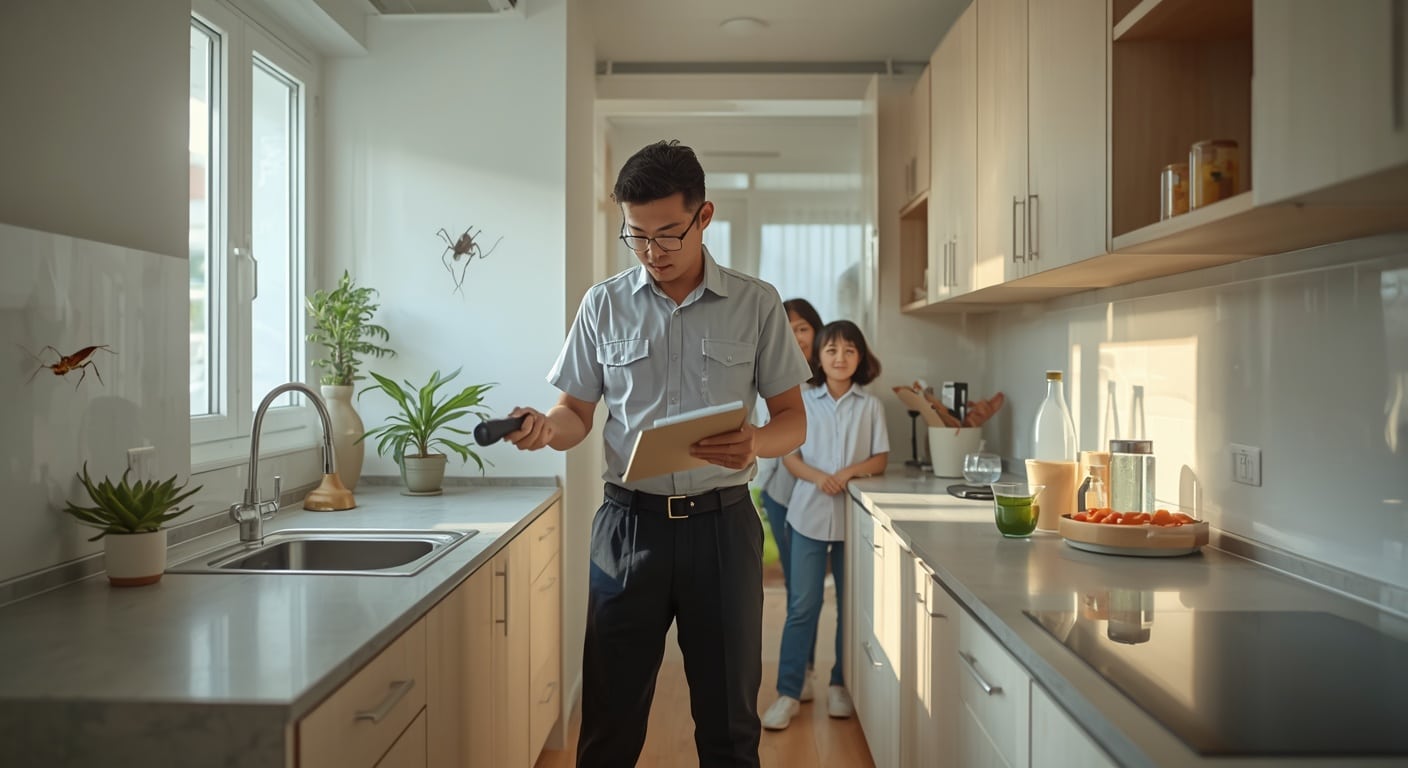
A good Pest Control Guide Malaysia should help homeowners understand what services are available, how treatment works, and what to expect before hiring a provider. In Malaysia’s hot and humid climate, pests such as termites, cockroaches, ants, mosquitoes, rats, and bed bugs can become recurring problems if not handled properly. Whether you live in a landed home, condo, or newly renovated property, knowing the common treatment options, cost factors, and follow-up steps can help you choose the right service and avoid paying for the wrong solution.
This guide explains the main types of residential pest control services in Malaysia, the factors that affect pricing, and the practical checks you should make before booking an inspection.
What pest control services are commonly offered in Malaysia?
Most pest control companies in Malaysia offer either one-time treatment, scheduled maintenance, or specialist treatments for severe infestations. The right option depends on the pest type and how long the issue has been building up.
General pest control
This is usually aimed at common household pests such as cockroaches, ants, spiders, flies, and occasional crawling insects. Treatment may include spraying, gel baiting, dusting, and inspection of kitchens, bathrooms, drains, and outdoor entry points.
Termite control
Termites are one of the most serious pest issues for Malaysian homes, especially landed properties. Services may include soil treatment, drill-and-inject treatment, baiting systems, wood treatment, and site inspection. If you are doing upgrades or extension work, it is wise to plan pest protection together with your home renovation guide Malaysia research so hidden timber and subfloor areas are checked early.
Rodent control
Rat and mouse control often involves inspection, trapping, bait stations, sanitation advice, and identifying access points around roofs, kitchens, and drains. In terrace and semi-D homes, rodents frequently move between neighbouring units, so perimeter checks matter.
Mosquito control
Mosquito treatment may include misting, larvicide application, and advice on removing standing water. This is more common for homes with gardens, water features, drains, or shaded outdoor areas.
Bed bug treatment
Bed bugs need targeted treatment, not standard pest spraying. Providers may use chemical treatment, steam treatment, mattress-area inspection, and repeat visits because eggs can survive after the first round.
Outdoor and garden pest treatment
Some companies also treat ants, mosquitoes, and other outdoor pests around lawns, planter boxes, and boundary areas. This can be useful if your outdoor setup encourages breeding or nesting. Homeowners planning external improvements may also want to review landscaping ideas Malaysia so planting and drainage choices do not attract pests.
How pest control companies usually assess your home
A reliable pest control service should not jump straight into treatment without understanding the source of the problem. The inspection stage is important because different pests require different methods.
During an inspection, the technician may check:
- Visible pest activity, droppings, nests, wings, or damage
- Moisture-prone areas such as kitchens, bathrooms, store rooms, and roof leaks
- Wall cracks, pipe openings, floor traps, and door gaps
- Cabinets, false ceilings, electrical points, and hidden corners
- Outdoor drains, gardens, rubbish areas, and perimeter walls
- Termite mud tubes, hollow timber, or damaged skirting
For condo units, access restrictions can affect treatment scope. For landed homes, the provider may inspect the exterior boundary, porch, roofline, and garden as part of the service.
You should also expect questions about when the issue started, whether DIY products were used, how often pests are seen, and if similar problems are happening in nearby units. This helps the provider decide whether a one-time treatment is enough or whether repeated service is needed.
What affects pest control costs in Malaysia?
Pest control pricing in Malaysia varies widely because the treatment method depends on the pest type, property size, and infestation severity. While homeowners often want a quick quote over WhatsApp, accurate pricing usually needs at least a basic inspection or photos.
Here are the main cost factors:
1. Type of pest
General pest treatment is usually simpler than termite, bed bug, or rodent control. Specialist infestations often need more time, stronger control methods, and multiple visits.
2. Size of property
A small apartment generally costs less to treat than a double-storey landed home because there is less area to inspect and fewer treatment points. Larger homes with gardens, storerooms, roof spaces, and wet kitchens often require more labour.
3. Treatment method used
Spraying, gel baiting, trapping, fumigation, termite baiting, and soil treatment all involve different materials and preparation work. For example, termite control can be significantly more involved than standard kitchen-and-bathroom spraying.
4. Severity of infestation
If the issue has been ignored for months, treatment may take longer and need repeat visits. A mild ant problem is very different from a widespread cockroach infestation inside cabinets and appliances.
5. Number of visits
Some services are one-off, while others come with scheduled follow-up. Bed bugs, termites, and serious rodent problems often need repeat attendance.
6. Property access and condition
Cluttered store rooms, blocked inspection points, sealed ceiling openings, and heavy furniture can make treatment harder. Homes with ongoing leaks or poor sanitation may also need more work because the conditions support pest activity.
Instead of choosing the cheapest quote, ask what is included. A low price may cover only basic spraying, while a more complete service might include inspection, targeted baiting, follow-up, and practical prevention advice.
What to expect before, during, and after treatment
Knowing the process helps you prepare your home properly and avoid disrupting the treatment.
Before treatment
- Clear access to kitchens, sinks, skirting, service yards, and affected rooms
- Store food, utensils, and exposed items as advised by the provider
- Inform the company if there are children, elderly occupants, pets, or fish tanks
- Share photos of pest activity if inspection is not done earlier
- Ask whether you need to leave the house during treatment
During treatment
The technician may spray, apply gel baits, place traps, dust hidden voids, inject termite treatment, or inspect entry points. Depending on the service, the visit may be short and targeted or may take several hours for larger homes.
After treatment
You may be asked to avoid mopping certain areas for a period, keep bait points undisturbed, or improve housekeeping around food waste and moisture. For some pests, seeing activity shortly after treatment can be normal because pests are being flushed out or returning to bait.
Ask for a clear summary before the technician leaves:
- What pest was found
- What treatment was applied
- Whether repeat visits are recommended
- What precautions to follow
- What signs to monitor over the next one to four weeks
It is also useful to build prevention into your regular care routine. A practical home maintenance checklist Malaysia can help you stay on top of leaks, cracks, drain issues, and outdoor upkeep that often contribute to recurring infestations.
How to choose the right pest control service
Homeowners often make the mistake of treating all pest services as the same. In reality, service quality can differ a lot, especially for termites, bed bugs, and recurring rodent issues.
Use this checklist before you book:
- Ask what pest the treatment is designed for
- Confirm whether inspection is included
- Check if the quote is for one visit or multiple visits
- Ask what areas are covered inside and outside the home
- Find out whether follow-up support is provided
- Ask what preparation is required from your side
- Request written details of the proposed treatment
- Make sure the provider explains prevention steps, not only treatment
If your pest issue began after moving into a new house or after vacant possession, inspect hidden areas carefully. This is especially helpful for first-time owners who may still be learning how to spot maintenance red flags around the home.
Common mistakes homeowners make
Many pest problems keep coming back not because treatment failed, but because the source was never fixed. Avoid these common mistakes:
- Choosing based on price alone: Cheap treatment may not include proper inspection or follow-up.
- Using the wrong DIY product: Spraying random store-bought products can scatter pests and make professional treatment harder.
- Ignoring moisture issues: Leaks, condensation, and damp cabinets attract pests and termites.
- Not sealing access points: Even after treatment, pests can return through drain gaps, damaged screens, and wall cracks.
- Skipping repeat visits: Some infestations need staged treatment, especially bed bugs, rodents, and termites.
- Expecting instant results for every pest: Baits and monitoring systems can take time to work properly.
If you have recently completed renovation works, do not overlook leftover debris, hidden food waste, timber offcuts, and damp materials. These can trigger infestations soon after the work is done. Budgeting for proper post-renovation checks is just as important as tracking your house renovation cost Malaysia planning.
Practical prevention tips for Malaysian homes
Professional treatment works best when combined with simple prevention habits. In Malaysia, heat, rain, and humidity create ideal conditions for pests, so maintenance matters.
- Repair leaking pipes, roof drips, and wet wall areas quickly
- Keep dry goods sealed and avoid leaving pet food exposed overnight
- Empty rubbish regularly and clean bins properly
- Seal gaps around doors, plumbing, and windows where possible
- Trim plants that touch walls and clear leaf buildup near drains
- Reduce standing water in trays, pails, roof gutters, and outdoor containers
- Check timber furniture, skirting, and store rooms for termite signs
- Declutter storerooms and avoid stacking cardboard directly on the floor
For most homes, pest control should be seen as part of preventive maintenance, not only an emergency fix. Early action is usually easier and less disruptive than waiting until the infestation spreads.
FAQ
How often should I do pest control for my home in Malaysia?
It depends on the pest risk and your property type. Many homeowners do general pest control periodically, while termite or rodent issues may need a more structured schedule. Homes with gardens, nearby drains, or previous infestations may need more frequent checks.
Is one pest control visit enough?
For minor issues, one visit may help. But termites, bed bugs, rodents, and heavier infestations often require follow-up visits or monitoring. Always ask whether the quote includes aftercare.
Do I need to leave the house during treatment?
Sometimes yes, sometimes no. It depends on the treatment method, the chemical used, the size of the area, and whether there are pets or children at home. The provider should give clear instructions before the appointment.
Can pest problems come back after treatment?
Yes, especially if the underlying cause remains. Leaks, food sources, standing water, clutter, and entry gaps can allow pests to return even after treatment.
When should I call a professional instead of trying DIY?
If you suspect termites, bed bugs, rodents, or a recurring infestation, it is better to call a professional early. DIY products may provide temporary relief, but they often do not solve the source of the problem.


