
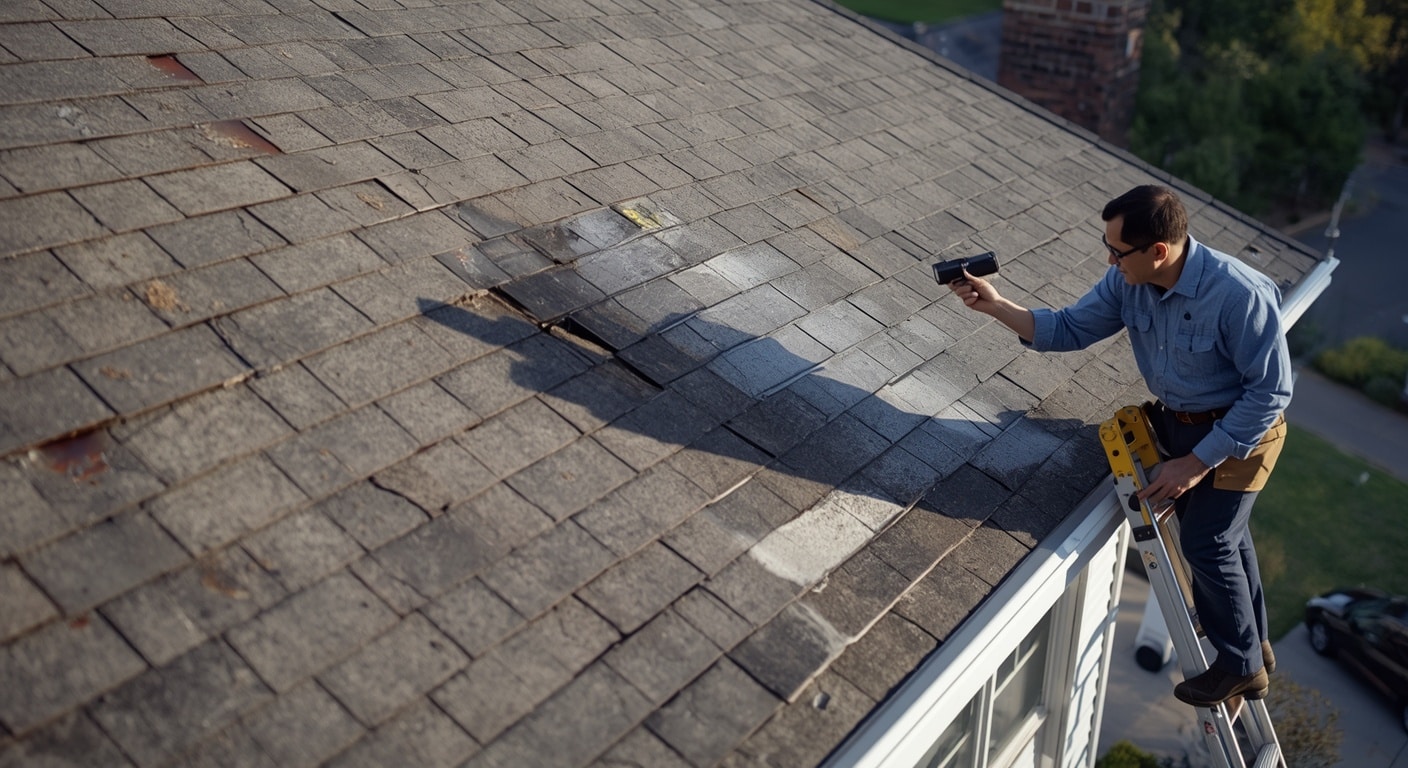
Roof leak detection is often easier when you know what signs to look for and where leaks usually start. In Malaysia, heavy rain, strong sun, clogged gutters, cracked tiles and worn flashing can all lead to water entering the house. If you notice ceiling stains, peeling paint, damp walls or a musty smell, it is worth checking early before a small issue turns into major water damage. This guide explains how to find roof leakage at home safely, what tools to use, and when it is time to call a professional.
Start with the signs inside your home
Before climbing onto the roof, begin indoors. Water does not always drip directly below the source of the leak. It can travel along rafters, insulation or ceiling boards before showing up.
Check these common indoor warning signs:
- Brown or yellow ceiling stains
- Peeling paint near the ceiling line
- Bubbling plaster or soft gypsum board
- Mould growth or a damp, musty smell
- Water marks around light fittings or ceiling fans
- Damp patches on upper floor walls after rain
Use a torch to inspect the ceiling carefully, especially after a storm. If possible, mark the stain with masking tape or take a photo so you can compare it later. A stain that grows after rain is a strong clue that the leak is active.
If your home is part of a larger renovation or repair project, it also helps to review a broader home renovation guide in Malaysia so you can prioritise urgent structural issues first.
Inspect the attic or roof space for the leak path
If your home has an attic or accessible roof space, this is often the best place for roof leak detection. Go up during daylight and switch off any bright torch for a moment. Small pinholes of sunlight can reveal gaps in the roof covering.
Look for:
- Wet insulation
- Darkened timber or water trails on rafters
- Mould on wooden trusses
- Rusty nails or metal fasteners
- Drips around roof penetrations such as vents or pipes
In many Malaysian terrace and semi-D homes, leaks commonly appear near valleys, roof edges, ridge caps and areas where the roof meets a wall. If there is foil insulation under the roof, check for water running across it before dripping into one spot. This can make the ceiling stain appear far from the actual entry point.
A simple tip is to follow the highest visible water mark upward. Water moves downward, so the highest wet point usually gives a better clue to the source than the lowest drip point.
Check the most common roof leak areas outside
Once you have narrowed down the leak area, inspect the roof from outside. Do this only if it is safe. If the roof is steep, slippery, fragile, or if the leak is near electrical wiring, call a contractor instead.
Common outdoor leak points include:
1. Broken or slipped roof tiles
Concrete and clay roof tiles can crack, shift or lift over time. Strong winds and falling branches may also dislodge them. Even a small gap can let rainwater through.
2. Damaged flashing
Flashing is the metal material installed around chimneys, walls, skylights and roof joints. If it is loose, rusted, lifted or poorly sealed, water can seep in during heavy rain.
3. Clogged gutters and downpipes
Leaves, dirt and moss can block drainage and cause water to back up under roof edges. This is especially common after long dry periods followed by sudden tropical rain.
4. Roof valleys
Valleys carry a lot of rainwater. If debris builds up or the valley lining deteriorates, leaks can happen quickly.
5. Roof penetrations
Aircon piping, vents, solar mounts and antenna brackets may create openings if the sealant fails. These spots should be checked closely.
Regular upkeep reduces the risk of hidden leaks. A seasonal home maintenance checklist for Malaysia can help homeowners inspect gutters, roofing and drainage before the monsoon season.
Use a controlled water test to confirm the source
If the leak source is still unclear, a water test can help confirm it. This works best with two people: one outside with a garden hose and one inside watching for drips.
- Wait until the roof is dry.
- Start at the lowest suspected section of the roof.
- Spray one small area with water for several minutes.
- Have the person inside watch for new drips or damp spots.
- Move slowly upward across the roof until the leak appears.
Do not spray the whole roof at once. Testing one section at a time makes it easier to isolate the exact problem area. Avoid using high water pressure, as this can force water into places it would not normally enter.
If you suspect long-term moisture problems inside the house, it is also useful to understand the signs of hidden damage from leaks, such as warped finishes, mould and damaged boards. This is where a dedicated water damage guide would be helpful during follow-up repairs.
Simple tools that help with roof leak detection
You do not need special equipment for a basic inspection, but a few simple tools can make the job easier.
- Torch: for attic checks and dark corners
- Binoculars: to inspect roof tiles from the ground
- Masking tape or chalk: to mark stain areas
- Moisture meter: useful for confirming damp ceiling sections
- Garden hose: for a controlled water test
- Phone camera: to take photos for comparison or to show a contractor
If you are planning repair budgeting after finding the leak, you may also want to review typical house renovation costs in Malaysia to prepare for ceiling repairs, waterproofing or tile replacement.
Common mistakes homeowners make
- Assuming the ceiling stain is directly below the leak: Water often travels along the structure before dripping.
- Using too much sealant as a quick fix: Sealant can fail quickly if the actual issue is a cracked tile, bad flashing or poor drainage.
- Ignoring small stains: Minor leaks can spread into insulation, timber and electrical areas.
- Walking on the roof without proper safety: Roof tiles can crack and wet roofs are dangerous.
- Checking only during dry weather: Some leaks appear only during wind-driven rain.
If the leak is recurrent, appears in several locations, or happens around structural joints, it may point to a bigger roofing issue. In that case, a proper roof repair guide and on-site contractor assessment are usually the safer next step.
Quick checklist before calling a roof repair contractor
- Note when the leak happens: light rain, heavy rain or only windy storms
- Take photos of ceiling stains, drips and suspected roof damage
- Check whether gutters are overflowing
- Inspect nearby vents, flashing and roof valleys
- See if the problem is new or has happened before
- Measure the affected ceiling area if possible
- List any recent works such as solar, aircon or antenna installation
Having this information helps roofing professionals identify the likely cause faster and may reduce unnecessary guesswork.
For general roofing and maintenance best practices, homeowners can also refer to industry guidance from the National Roofing Contractors Association, which provides useful technical information on roof systems and inspection principles.
FAQ
How do I know if a ceiling stain is from a roof leak?
If the stain gets larger after rain, feels damp, or appears together with peeling paint or mould, a roof leak is a likely cause. Still, rule out plumbing leaks if the area is near a bathroom or water pipe.
Can roof leaks happen even if I cannot see broken tiles?
Yes. Many leaks come from flashing, valleys, blocked gutters, failed sealant or tiny gaps around roof penetrations. The roof may look fine from the ground but still let water in during heavy rain.
Is it safe to inspect the roof myself?
Ground-level checks with binoculars are usually safer than climbing up. Avoid walking on steep, wet or fragile roofs. If your house is double-storey or the leak area is hard to access, hire a professional.
Why does the leak only happen during heavy rain?
This often means water is entering only when rain is wind-driven, when gutters overflow, or when a roof valley is carrying a high volume of water. Small gaps may not leak during light showers.
What should I do first after finding a roof leak?
Protect the area below with a bucket or plastic sheet, switch off electricity if water is near fittings, document the damage, and arrange an inspection as soon as possible. Early action helps prevent bigger repair costs.


