
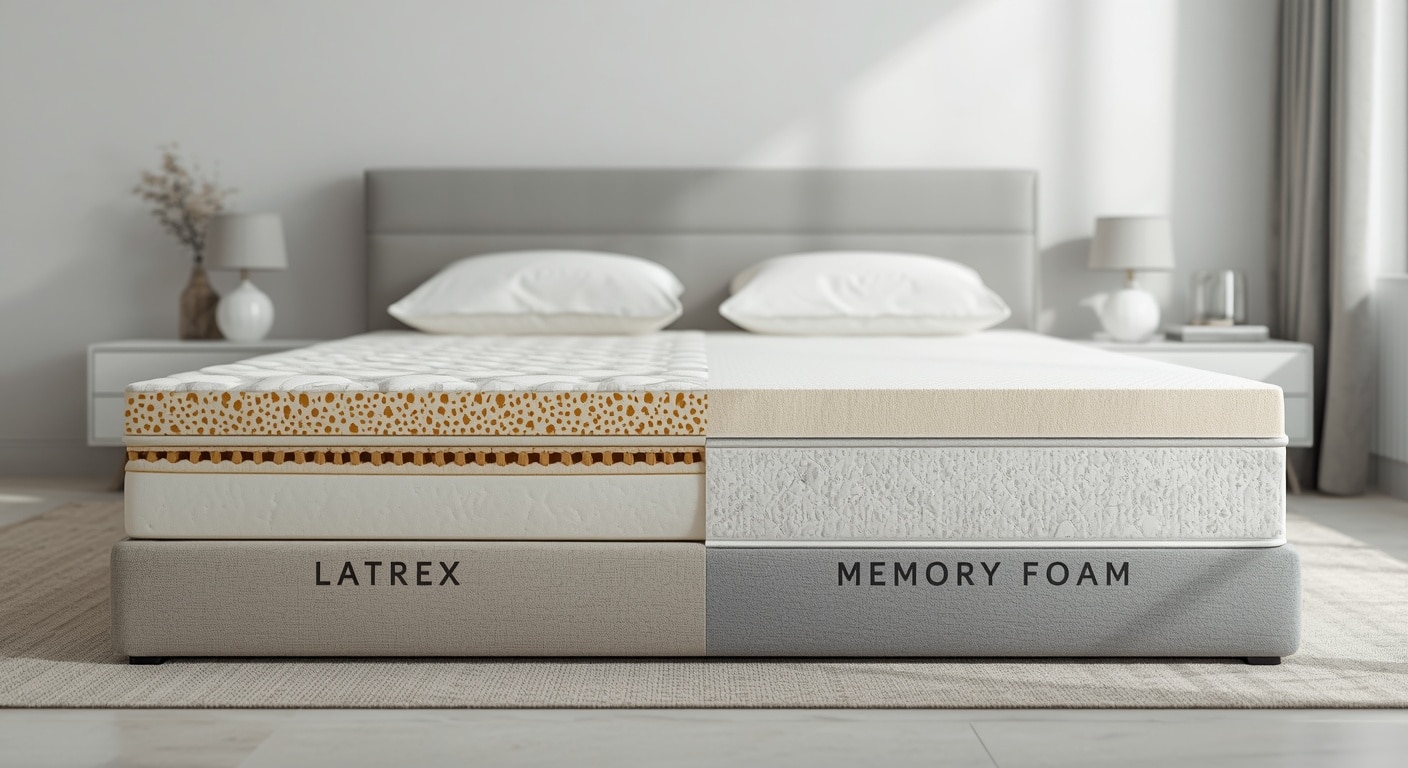
Choosing between a latex vs memory foam mattress can be harder than it seems, especially for Malaysian homeowners dealing with hot nights, humidity, limited bedroom space, and different sleep needs within one household. Both mattress types are popular, but they feel very different in daily use. The better choice depends on how you sleep, how warm your room gets, your body support needs, and how long you want the mattress to last. This guide compares latex and memory foam clearly so you can decide what works best for your home.
If you are still comparing overall options, it also helps to read a mattress buying guide together with a mattress materials guide before making a final decision.
What Is the Difference Between Latex and Memory Foam?
The biggest difference is how each material responds to your body.
Latex mattresses usually feel springier, more responsive, and slightly cooler. When you lie down, the surface cushions your body but still pushes back quickly. You do not sink deeply, and movement is easier.
Memory foam mattresses are known for a slower, contouring feel. The material softens under heat and pressure, then shapes around the body. Many people describe it as a “hugging” sensation.
In practical terms:
- Latex feels bouncier and more lifted
- Memory foam feels deeper and more body-hugging
- Latex is often better for easier movement
- Memory foam is often better for strong pressure relief
For households furnishing a new room or master bedroom, your mattress choice should also fit the full sleep setup, including bed frame height, side table clearance, and room layout. A bedroom furniture guide can help you plan the space properly.
Which Mattress Is Better for Malaysia’s Climate?
For many Malaysians, heat retention is one of the most important buying factors. Bedrooms here can feel warm at night even with fans, and not every home keeps air conditioning on throughout sleep hours.
In general, latex is the better option for cooler sleep. Its structure is more breathable, and it usually does not trap as much body heat as traditional memory foam. This can make a noticeable difference if you tend to sweat at night or your bedroom has limited ventilation.
Memory foam can sleep warmer, particularly denser models that allow more body sink. Some newer memory foam mattresses include cooling features, open-cell construction, or gel layers, but the overall feel is still usually warmer than latex.
Latex may suit you better if:
- Your bedroom gets warm easily
- You prefer using a fan instead of air conditioning
- You are a naturally hot sleeper
- Your home has high humidity or less airflow
Memory foam may still work if:
- Your room is consistently air-conditioned
- You prefer a softer, contouring feel over temperature control
- You are more sensitive to pressure points than heat
If you are planning a more comfortable bedroom overall, a simple room upgrade or better airflow setup may help too. This is where broader planning from the Interior Design Malaysia guide can support your mattress decision.
Comfort and Support: Which One Suits Your Sleep Style?
There is no single best mattress for everyone. The right choice depends on sleeping position, body weight, and whether you share the bed.
Side sleepers
Memory foam often works well for side sleepers because it contours around the shoulders and hips. This can reduce pressure in those areas. Softer latex can also be comfortable, but firmer latex may feel too pushy for some side sleepers.
Back sleepers
Both materials can work well for back sleepers. Latex tends to keep the body more level and lifted, while memory foam gives more shaping around the lower back. The better choice depends on whether you want a floating feel or a deep cradle.
Stomach sleepers
Latex is often the safer choice for stomach sleepers because it keeps the hips from sinking too low. If the hips dip too much, the lower back may feel strained over time. Soft memory foam can sometimes make this worse.
Couples
Memory foam is usually better at motion isolation. If your partner turns often, gets up at night, or has a different sleep schedule, you may feel less disturbance. Latex has more bounce, so some motion can transfer across the bed, though this varies by design.
People with joint pressure or body aches
Memory foam is often preferred for pressure relief. Latex also offers support and cushioning, but it generally feels more buoyant and less body-moulding.
A good way to decide is to think about your current mattress complaints. If you often say “I feel too hot” or “I struggle to turn,” latex may solve the problem better. If you often say “my shoulder hurts” or “I want softer contouring,” memory foam may be the better fit.
Durability, Maintenance, and Everyday Use
Mattresses are a long-term home purchase, so durability matters. A mattress that feels good in the showroom may not hold up equally over time.
Latex mattresses are generally known for strong durability and resilience. They tend to keep their shape well and recover quickly after pressure. For homeowners who want a mattress that maintains support for years, latex is often appealing.
Memory foam mattresses can also last well, but quality varies more widely depending on foam density and construction. Lower-quality memory foam may soften, sag, or develop body impressions earlier.
For day-to-day maintenance:
- Use a breathable mattress protector
- Rotate the mattress if recommended by the manufacturer
- Keep the bed base supportive and even
- Allow airflow under the mattress where possible
- Clean spills quickly to prevent odour and moisture build-up
In Malaysia’s humid climate, moisture control matters. Bedrooms with poor ventilation can encourage musty smells or surface dampness if bedding is not aired regularly. A simple care routine can help, much like any other recurring task in a home maintenance checklist for Malaysia.
Price and Value: Which Gives Better Long-Term Value?
Price differences between latex and memory foam can vary a lot depending on size, thickness, base layers, brand reputation, and whether the mattress uses natural or synthetic materials.
Generally:
- Latex mattresses often cost more upfront
- Memory foam mattresses usually offer a wider budget range
- Latex may provide better long-term value if durability is a top priority
- Memory foam can offer good value if comfort and motion isolation matter more than lifespan
If you are furnishing a first home, guest room, or rental unit, memory foam may feel more accessible from a budget point of view. For a long-term master bedroom setup, latex may be worth considering if you prefer cooler sleep and expect heavier daily use.
Do not compare by price alone. Check:
- Warranty terms
- Trial period if available
- Layer construction
- Firmness description
- Mattress height and bed frame compatibility
For product construction examples, you can review how established manufacturers explain their mattress materials and designs on the official Tempur website.
Pro Tips Before You Buy
Before choosing between latex and memory foam, use these practical checks:
- Test your sleep temperature first. If you often wake up sweaty, prioritise breathable materials over extra softness.
- Think about ease of movement. Older adults or anyone with mobility concerns may find latex easier to move on.
- Match firmness to sleeping position. Do not assume all memory foam is soft or all latex is firm.
- Check the bed base. A poor base can affect support and shorten mattress life.
- Consider who shares the bed. Couples with different schedules may appreciate memory foam’s motion isolation.
Common Mistakes to Avoid
- Choosing based on showroom feel alone: A mattress that feels impressive for five minutes may feel too warm or too soft after a full night.
- Ignoring bedroom temperature: In Malaysia, heat build-up is a real comfort issue.
- Buying the softest option by default: Too much sink can create poor alignment.
- Overlooking mattress thickness and height: This affects bed frame fit and getting in and out of bed.
- Not checking trial or return policies: Comfort is highly personal, so flexibility matters.
Quick Checklist: Latex or Memory Foam?
| Need | Better Choice |
|---|---|
| Cooler sleep in a warm room | Latex |
| Deep contouring comfort | Memory foam |
| Easier movement on the bed | Latex |
| Less partner disturbance | Memory foam |
| Long-term resilience | Latex |
| More budget options | Memory foam |
FAQ
Is latex or memory foam better for back pain?
Both can help, depending on the cause of discomfort and the mattress firmness. Memory foam may reduce pressure points, while latex can provide more even support and easier repositioning. Proper spinal alignment matters more than material alone.
Is latex mattress better for hot weather in Malaysia?
In many cases, yes. Latex is usually more breathable and sleeps cooler than traditional memory foam, which makes it a strong option for Malaysian homes with warm or humid bedrooms.
Which mattress lasts longer, latex or memory foam?
Latex often has the advantage in durability, especially higher-quality models. Memory foam lifespan varies more depending on build quality and density.
Is memory foam good for couples?
Yes, especially if motion isolation is important. Memory foam tends to absorb movement better, so one partner is less likely to disturb the other during the night.
How do I choose between latex and memory foam mattress?
Choose latex if you want cooler sleep, bounce, and easier movement. Choose memory foam if you want stronger contouring, pressure relief, and less motion transfer. Your sleeping position, room temperature, and budget should guide the final decision.
For most Malaysian homeowners, the best choice in the latex vs memory foam mattress debate comes down to one main question: do you value cooler, more responsive support or deeper pressure-relieving contour? If your bedroom runs warm and you like a lifted feel, latex is usually the better match. If you want body-hugging comfort and better motion isolation, memory foam may suit you more. Focus on how you actually sleep at home, not just what feels nice for a few minutes in a showroom.


