
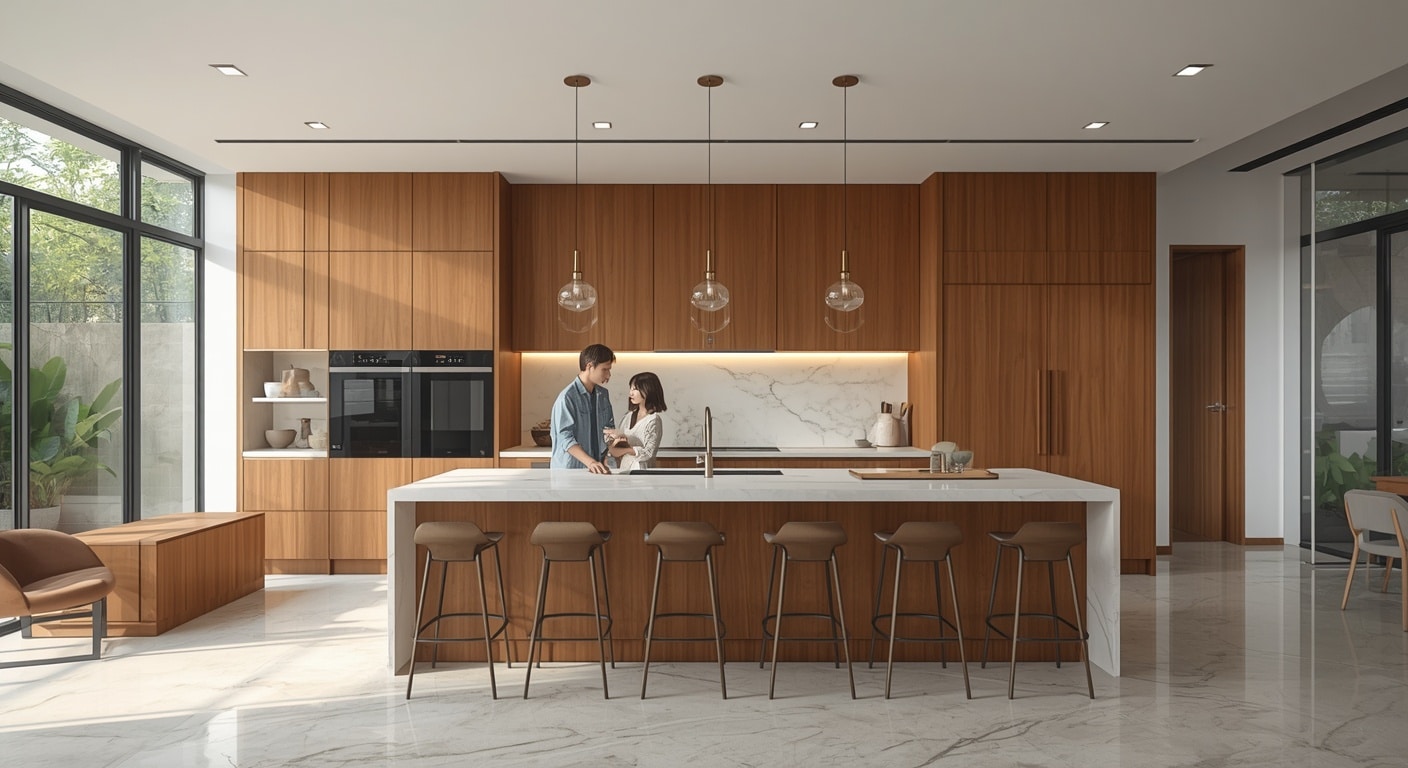
Planning a kitchen that looks good and works well every day can be challenging, especially in Malaysian homes where space, heat, humidity, and cooking habits all affect the final layout. The best kitchen design ideas Malaysia homeowners can use are not just about style. They should help you move comfortably, store essentials properly, clean up easily, and make the room suitable for daily cooking. Whether you live in a condo, terrace house, or landed property, the right design choices can make your kitchen more practical without losing its visual appeal.
If you are still in the planning stage, it helps to understand the bigger renovation picture first. You can start with this Home Renovation Guide Malaysia and compare your expected budget with this House Renovation Cost Malaysia resource before finalising materials and layout.
Start with a layout that matches how you cook
A beautiful kitchen will still feel frustrating if the layout does not match your routine. In Malaysia, many households cook often, use strong aromatics, and need enough prep space for washing, cutting, and storing ingredients. That means your kitchen design should begin with workflow, not colour or decorative features.
The most practical layouts usually include clear zones for:
- Food preparation
- Cooking
- Washing
- Dry storage
- Cold storage
For smaller condos and apartments, a single-wall or galley kitchen can work well because it keeps everything within reach. For medium and larger homes, an L-shaped or U-shaped kitchen often gives better movement and more counter space. If your home has enough room, a kitchen island can add prep area and casual seating, but only if there is enough walking clearance around it.
As a general guide, try to keep the fridge, sink, and hob in a practical working triangle. This reduces unnecessary back-and-forth movement while cooking. Also think about where wet and dry groceries will go after shopping, where your rice cooker and kettle will sit, and whether you need a separate area for heavy frying.
In many Malaysian homes, a dry kitchen and wet kitchen setup is still one of the smartest design choices. The dry kitchen stays tidy for light prep, drinks, or entertaining, while the wet kitchen handles daily cooking, wok use, and stronger smells. If space allows, this setup gives the best balance of function and presentation.
Choose materials that can handle heat, moisture, and daily use
One of the most important kitchen design ideas Malaysia homeowners should prioritise is material durability. Kitchens here deal with humidity, oil splatter, steam, and frequent cleaning, so finishes need to be tough and easy to maintain.
For countertops, quartz is a popular option because it looks neat, is relatively low maintenance, and suits modern homes. Solid surface can also work for a cleaner seamless look, but it may be more prone to scratches or heat damage if not used carefully. If you prefer tiles for cost control, choose grout colours that are easier to keep looking clean.
For cabinet finishes, common practical options include:
- Laminate for affordability and design variety
- Acrylic for a sleek modern appearance
- Melamine for budget-friendly built-ins
- Aluminium or other moisture-resistant materials for wet areas
For flooring, choose slip-resistant tiles instead of glossy surfaces. This is especially important if you cook often or have children and elderly family members at home. Matte tiles usually hide water spots and footprints better too.
For backsplashes, large-format tiles or smooth panels are easier to wipe than small mosaic tiles with many grout lines. If you want a stylish finish with less maintenance, simple neutral tones often age better than trendy patterns that may feel dated quickly.
Good design is not only about appearance. It should also support long-term cleaning and upkeep. If you want a broader view on selecting finishes that suit your overall home style, this Interior Design Malaysia Guide is a useful reference.
Make storage smarter, especially in small Malaysian kitchens
Storage is often the difference between a kitchen that feels calm and one that always looks cluttered. In many Malaysian homes, kitchen items include not only plates and cups but also rice cookers, blenders, stock pots, spice jars, containers, and festive serving ware. A good kitchen design should plan for all of these from the start.
Instead of relying only on standard bottom cabinets, use a mix of storage features that improve access:
- Deep drawers for pots and pans
- Pull-out baskets for dry goods
- Corner solutions for hard-to-reach spaces
- Tall pantry units for groceries and small appliances
- Overhead cabinets up to ceiling height for less-used items
- Built-in organisers for cutlery and utensils
If your kitchen is compact, vertical storage becomes even more important. Full-height cabinetry can maximise space while keeping the room visually clean. You can also create a dedicated appliance garage or concealed shelf for items used daily, such as the toaster, air fryer, or microwave.
Open shelves can look attractive, but they tend to collect dust and grease faster in working kitchens. If you like the look, use them sparingly for light decorative pieces or frequently used items only.
A practical way to plan storage is to group items by task. Keep chopping boards, knives, and prep bowls near the main prep counter. Store cookware near the hob. Put cleaning supplies under the sink if the area has proper ventilation and safe organisation. This simple method makes cooking more efficient every day.
Use lighting and ventilation to improve comfort
Many homeowners focus on cabinets and countertops first, but lighting and ventilation are what make a kitchen more comfortable to use. In Malaysia, this matters even more because kitchens can feel warm and humid quite quickly.
Start with layered lighting. You will usually need:
- General ceiling lighting for overall brightness
- Task lighting under wall cabinets for food prep
- Optional accent lighting for display shelves or island areas
Cool white or neutral white lighting usually works well because it helps you see food colours clearly while preparing meals. Avoid lighting plans that create shadows directly over countertops.
Ventilation is just as important. If your kitchen handles frequent frying or strong-smelling dishes, invest in an effective cooker hood that matches your cooking style. Good cross ventilation from windows or doors also helps release heat and smoke more quickly. In homes where the kitchen is enclosed, proper airflow can reduce lingering odours and moisture buildup.
If you are selecting appliances during your renovation, look for models that suit your cooking habits and kitchen size rather than buying based on appearance alone. A practical guide like Best Home Appliances Malaysia can help you compare options that fit your layout and daily routine.
Pick a style that stays practical over time
Kitchen trends come and go, but the best kitchen design ideas Malaysia homeowners should follow are those that still feel functional after several years. A stylish kitchen does not need too many decorative features. It should feel balanced, easy to maintain, and suitable for your home type.
Some styles that work well in Malaysian homes include:
Modern minimalist
This style uses clean lines, handleless or simple cabinets, neutral colours, and uncluttered surfaces. It suits condos and newer homes where a clean look is preferred.
Scandinavian-inspired
Light wood tones, white surfaces, and soft textures create a bright and welcoming feel. This style works especially well in smaller kitchens because it helps the space feel more open.
Contemporary warm neutral
Beige, taupe, woodgrain, and matte black accents create a more timeless look. This is a good option if you want something modern but less stark than pure black and white.
Industrial touch
Concrete-look surfaces, darker finishes, and metal details can look striking, but they should be balanced carefully so the kitchen does not feel too heavy or dark.
Whichever style you choose, try to keep the core elements timeless. You can always add personality through stools, pendant lights, small appliances, or wall colour. It is usually harder and more expensive to change countertops and cabinets later.
Common mistakes to avoid when designing a kitchen
Even a high-budget renovation can lead to disappointment if the design ignores everyday use. Here are some common mistakes Malaysian homeowners should watch out for:
- Choosing looks over workflow: A visually impressive kitchen may still be inconvenient if the sink, hob, and fridge are poorly positioned.
- Not enough power points: Kitchens today often need points for kettles, microwaves, rice cookers, air fryers, and blenders.
- Insufficient counter space: Leave enough usable prep area instead of filling every section with appliances or decoration.
- Poor ventilation planning: This becomes a major issue if you cook often with oil and spices.
- Using hard-to-maintain surfaces: High-gloss finishes, delicate materials, or too many grout lines can create more cleaning work.
- Ignoring storage for bulky items: Large pots, festive platters, and grocery stock need proper space.
- Installing cabinets without considering height: Overhead units should be reachable and practical for the main users of the home.
Before confirming your design, walk through your routine step by step. Imagine unloading groceries, washing vegetables, cooking dinner, storing leftovers, and cleaning up. This simple test often reveals layout problems early.
Short kitchen design checklist before you renovate
Use this quick checklist before final approval:
- Is the layout suitable for your cooking frequency and style?
- Do you have enough prep space beside the sink and hob?
- Have you planned storage for small appliances and pantry items?
- Are your materials easy to clean and suitable for humidity?
- Is the flooring slip-resistant?
- Do you have enough lighting for prep and cooking?
- Will ventilation be strong enough for your household needs?
- Are there enough electrical points in practical locations?
- Have you balanced style with long-term maintenance?
- Does the design fit your renovation budget realistically?
A well-designed kitchen should support daily life, not just look good in photos. When you focus on layout, storage, durability, and comfort, you create a space that works better for years to come.
FAQ
What is the best kitchen layout for small homes in Malaysia?
For smaller homes, galley and L-shaped layouts are often the most practical because they use space efficiently and keep work zones close together. If the kitchen feels narrow, avoid oversized islands or bulky cabinets that reduce walking space.
Is a wet and dry kitchen worth having?
Yes, if your home has enough space and your household cooks often. A wet and dry kitchen setup works well in Malaysia because it separates heavy cooking from a cleaner entertaining or prep area. This can make the kitchen easier to maintain and more comfortable for daily use.
Which kitchen countertop material is easiest to maintain?
Quartz is often chosen for its balance of appearance and easy maintenance. It is generally simple to clean and suits many modern kitchens. However, the best choice still depends on your cooking habits, budget, and how careful you are with heat and heavy use.
How can I make my kitchen look stylish on a moderate budget?
Focus on layout, cabinet colour, lighting, and practical finishes first. Simple laminates, neutral palettes, neat handles, and a clean backsplash can already create a polished look without overspending. Spend more on items that affect daily function, such as storage, ventilation, and countertop quality.
What should I prioritise first in a kitchen renovation?
Start with layout, ventilation, storage, and materials. These have the biggest impact on how the kitchen functions. Decorative details should come after the practical parts are solved properly.


