
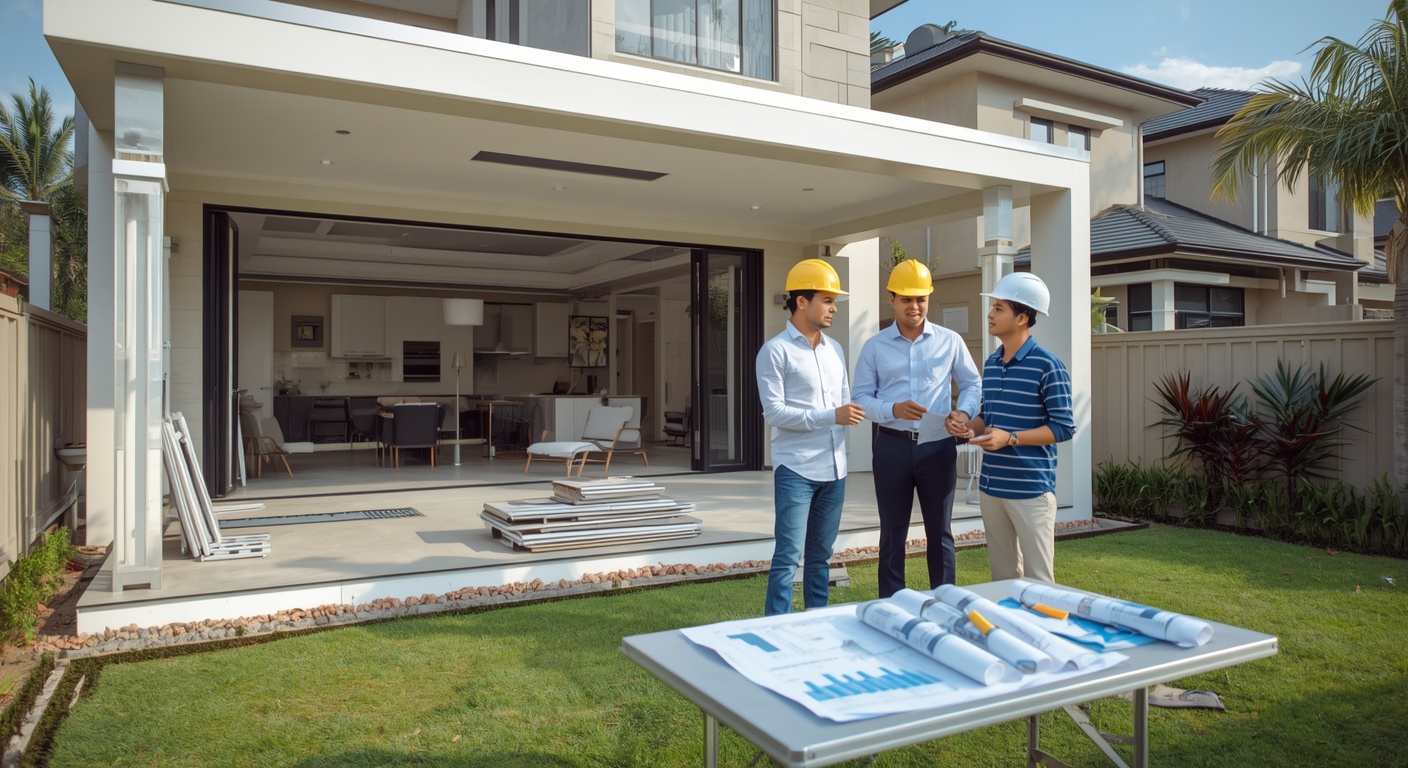
Planning a bigger kitchen, extra bedroom, or covered car porch usually starts with one question: what is the Home Extension Cost Malaysia homeowners should expect today? The answer depends on the size of the extension, the structure involved, local council requirements, and the quality of finishes you choose. If you are trying to set a realistic budget before speaking to contractors, this guide breaks down the main cost factors, common price components, and smart ways to control spending without cutting corners.
A home extension can add useful space and improve daily living, but it can also become expensive when the scope is unclear. The key is to understand where the money goes, what approvals may be needed, and how to compare quotations properly before work starts.
What affects home extension cost in Malaysia?
There is no single flat rate for every project because each house and extension type is different. In Malaysia, the final cost is usually shaped by a few practical factors.
- Extension size: Larger built-up areas cost more overall, although the cost per square foot may sometimes be slightly better on bigger projects.
- Type of extension: Extending a wet kitchen, adding a bedroom, building an upper floor, or enlarging a car porch all involve different materials and structural work.
- Structural requirements: New columns, beams, roofing changes, slab works, and foundation strengthening can increase cost significantly.
- Existing house condition: Older homes may need hacking, rewiring, plumbing replacement, or repair work before extension works begin.
- Finishes and fittings: Tiles, doors, windows, sanitary ware, lighting, paint, and built-ins can push the budget up quickly.
- Council approval and professional fees: Depending on the scope, you may need drawings, submissions, and approvals.
- Location: Labour and logistics may differ between Klang Valley, Penang, Johor Bahru, and smaller towns.
If you are still comparing renovation budgets more broadly, it helps to review this House Renovation Cost Malaysia guide alongside your extension planning.
Typical cost components to include in your budget
Many homeowners only look at the contractor’s building price and forget the related costs around it. A better approach is to break your budget into clear parts so there are fewer surprises later.
1. Design and submission fees
If your extension requires plans for submission, you may need to engage a drafter, architect, or other relevant professionals depending on the scope. Fees vary based on complexity and local authority requirements.
2. Site preparation and demolition
This may include hacking walls, removing old awnings, relocating drains, clearing the site, and disposal of debris. Even simple rear kitchen extensions can require more preparation than expected.
3. Structural and building works
This is usually the main cost bucket and may include:
- Foundation and footing works
- Brick walls or lightweight partitions
- Concrete slab or flooring
- Columns and beams
- Roof structure and roof covering
- Ceiling works
- Doors and windows
4. Mechanical and electrical works
Extension areas often need new wiring points, lighting, switches, fans, air-conditioning points, plumbing pipes, floor traps, and water supply lines. Wet kitchens and bathrooms usually cost more because of plumbing and waterproofing needs.
5. Finishing works
This covers tiles, paint, skirting, sanitary fittings, cabinetry, countertops, and other visible items. Finishes often decide whether your project stays within budget or runs over.
6. Contingency
A contingency fund is important, especially for older terrace houses, semi-Ds, or village homes where hidden issues may appear once work starts. A buffer helps cover unexpected structural repairs, drainage problems, or relocation of services.
For a step-by-step view of the wider process, you can also refer to the Home Renovation Guide Malaysia.
Common extension types and how they change the budget
The type of extension you build has a direct effect on cost because each space needs different construction details.
Rear kitchen extension
This is one of the most common projects for Malaysian terrace homes. A rear extension may look straightforward, but it often involves drainage, waterproofing, plumbing, cabinetry planning, and ventilation. If you want a full wet and dry kitchen layout, costs can rise due to finishes and fittings rather than just the structure.
Bedroom or living area extension
These spaces may be simpler than wet areas because they usually need fewer plumbing works. However, costs still depend on flooring, windows, air-conditioning points, and whether walls need to be removed to connect the new area with the existing house.
Car porch extension
A porch extension can range from a basic roofed structure to a more integrated build with lighting, gates, drainage adjustments, and tiled flooring. If you are matching the existing façade, expect more detailed finishing costs.
Second-storey extension
This is usually more expensive and more complex than a ground-floor extension. Structural assessment is critical because the existing house may need strengthening. Staircase placement, roof changes, and load-bearing considerations can make this type of extension one of the highest-cost options.
Bathroom addition
Bathrooms are compact but often expensive per square foot because they involve waterproofing, sanitary fittings, plumbing, wall tiles, and proper floor falls.
If your extension also changes the layout and look of the home, the Interior Design Malaysia Guide can help you plan finishes more clearly before requesting quotations.
How to estimate your budget before getting quotes
You do not need a perfect number at the start, but you do need a realistic budget range. This helps you avoid requesting work you cannot comfortably afford.
- Define the purpose of the extension. Is it for more family space, rental potential, a larger kitchen, or future-proofing for elderly parents? Your goal affects the design and spending priority.
- Measure the approximate area. Get a rough built-up size in square feet. Even a simple sketch with dimensions helps contractors price more accurately.
- List what is included. Specify whether you want basic structure only, or complete works including tiles, paint, wiring, plumbing, cabinets, and lighting.
- Separate essentials from upgrades. Essentials may include structure, roofing, wiring, and waterproofing. Upgrades may include premium tiles, full-height cabinets, or designer windows.
- Set a contingency. Keep a buffer for variation works and hidden conditions.
- Request itemised quotations. Avoid one-line lump sum quotes with no breakdown.
A simple checklist before calling contractors:
- Extension size and location in the house
- Type of room or function
- Expected finishes level: basic, mid-range, or higher-end
- Whether submission or approval is needed
- Target budget range
- Preferred timeline
When contractors understand your scope clearly, their quotations are easier to compare and less likely to change later.
Common mistakes homeowners make when budgeting
Budget overruns often happen because of planning gaps rather than just rising material prices. Here are the mistakes to avoid.
- Using a vague scope: Saying “extend kitchen” is not enough. Contractors need dimensions, drawings, and finish expectations.
- Choosing the cheapest quote too quickly: A lower quote may exclude electrical works, drainage, ceiling, painting, or disposal.
- Ignoring approval requirements: Unapproved works can create problems later, especially during sale, refinancing, or complaints.
- Underestimating wet area costs: Kitchens and bathrooms often cost more because of plumbing, tiling, waterproofing, and custom fittings.
- Changing design midway: Variations during construction usually increase cost and delay completion.
- Spending too much on finishes too early: It is easy to overspend on tiles, lighting, or fittings before core building costs are settled.
One practical tip is to finalise your layout and material preferences before signing. Even small changes to window size, roof design, or floor level can affect labour and material costs.
Pro tips to keep extension costs under control
You do not always need to choose the cheapest option to save money. A better strategy is to spend wisely on the items that matter most for durability and comfort.
- Keep the design simple: Straightforward shapes, standard roof forms, and regular window sizes are often more cost-effective.
- Prioritise structural quality: Do not cut corners on foundation, waterproofing, roofing, and electrical safety.
- Use mid-range finishes where possible: Many Malaysian homeowners can achieve a good result without premium imported materials.
- Match new works with existing conditions: Align floor levels, roof lines, and drainage planning early to avoid corrective work later.
- Ask for a payment schedule tied to milestones: This gives better visibility on progress and cash flow.
- Compare quotations line by line: Check what is included for walls, roofing, windows, plumbing, wiring, paint, and clean-up.
- Plan future needs now: Even if you are not installing everything today, add extra sockets, plumbing points, or air-cond piping while the works are open.
If your extension is part of a bigger long-term ownership plan, it can also help to review a practical upkeep guide such as the Home Maintenance Checklist Malaysia so the new space stays in good condition after completion.
FAQ: Home Extension Cost Malaysia
How much should I budget for a home extension in Malaysia?
The right budget depends on your extension size, location, structure, and finishes. A small basic extension will cost much less than a full wet kitchen or second-floor addition. The best approach is to define your area, list inclusions, and request itemised quotations from a few contractors.
Is a kitchen extension more expensive than a bedroom extension?
Usually, yes. Kitchens tend to cost more because they involve plumbing, drainage, waterproofing, cabinetry, wall finishes, and electrical points for appliances. A bedroom extension is often simpler if it only requires standard flooring, lighting, and windows.
Do I need council approval for a house extension in Malaysia?
Many extensions do require approval, but the exact requirement depends on your property type, location, and the scope of work. It is best to verify with your local council and the relevant professionals before construction starts.
Why do extension costs increase after work begins?
Costs often rise because of hidden site conditions, incomplete quotations, design changes, or newly discovered issues such as weak structure, old wiring, or drainage problems. A clear scope and contingency budget help reduce this risk.
How can I compare contractor quotes properly?
Ask for detailed quotations with breakdowns for demolition, structure, roofing, plastering, wiring, plumbing, tiles, paint, and disposal. Make sure all contractors are pricing the same scope so you can compare fairly rather than only looking at the total amount.
The best way to manage Home Extension Cost Malaysia is to plan your scope carefully, understand the main cost drivers, and compare quotations based on clear inclusions. Whether you are extending a kitchen, bedroom, car porch, or upper floor, a realistic budget and proper planning will help you avoid expensive mistakes and make better decisions from the start.


