
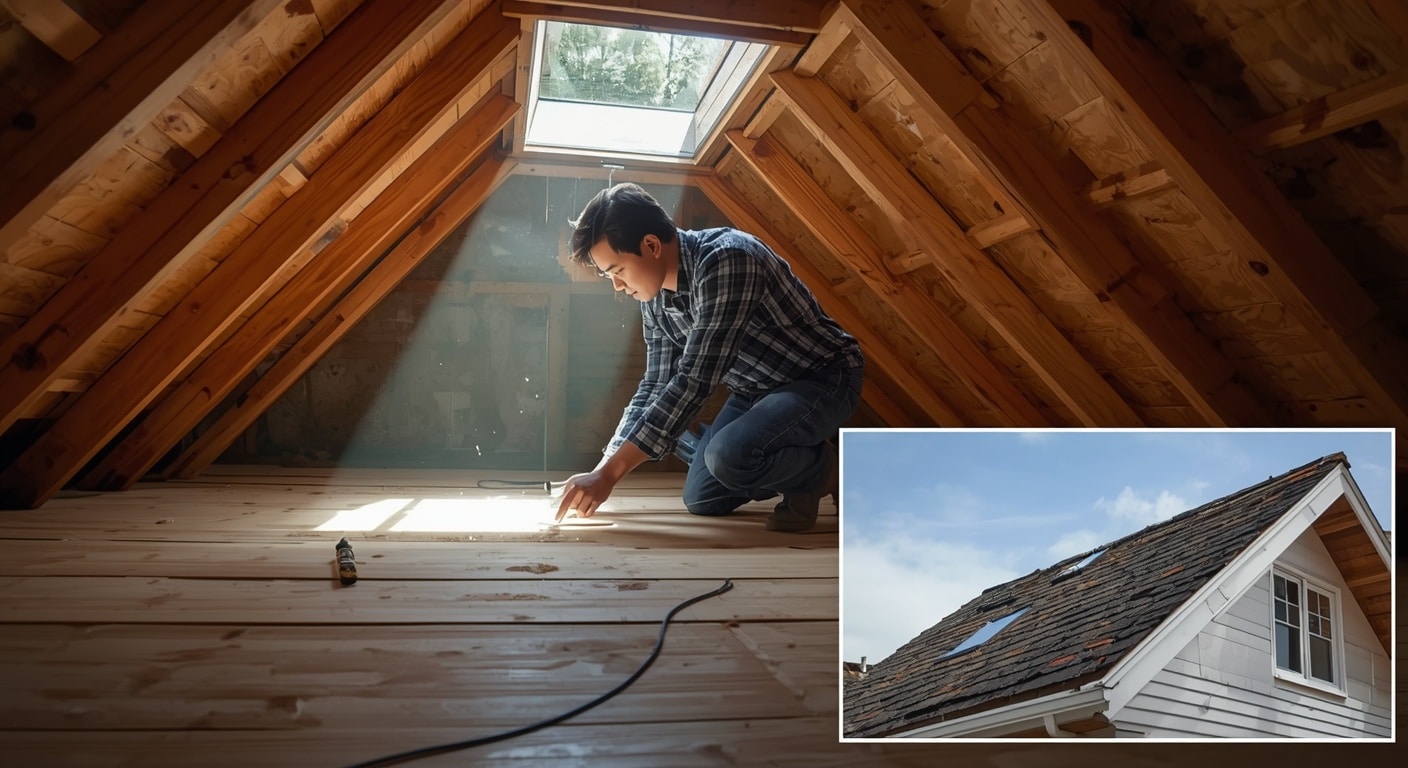
Knowing how to find a roof leak early can save Malaysian homeowners from stained ceilings, mould growth, damaged wiring, and costly repairs. In our hot, humid climate, roof leaks often show up after heavy rain, but the water stain you see indoors may not be directly below the real problem. The good news is that you can do several simple checks before calling a roofer. With a careful indoor inspection, a safe outdoor look, and a basic understanding of common leak points, you can narrow down the source and explain the issue more clearly to a contractor.
If you are keeping up with routine care, it also helps to follow a broader home maintenance checklist Malaysia homeowners can use throughout the year. Early checks make small roof issues easier and cheaper to manage.
Start by tracing the leak from inside the house
The first step in learning how to find a roof leak is to inspect the inside of your home carefully. Many leaks leave clues indoors before you can spot damage outside.
Signs to check indoors
- Brown or yellow water stains on ceilings
- Peeling paint near upper walls
- Bubbling plaster or damp patches
- Musty smells in bedrooms, hallways, or the attic area
- Dripping water during or shortly after rain
- Mould growth near ceiling corners
Do not assume the leak is directly above the stain. Water can travel along roof beams, rafters, insulation, or ceiling boards before it becomes visible inside. This is common in terrace houses and double-storey homes where roof spaces can redirect water.
How to narrow the area
- Mark the exact location of the ceiling stain.
- Note whether it gets worse only during heavy rain, during wind-driven rain, or even after rain has stopped.
- Check nearby light fittings, air-conditioning trunking, and upper wall joints.
- If you have attic access, use a torch to inspect upward from the stained area.
Look for wet timber, darkened underlayment, water trails, rusty nails, or daylight showing through the roof structure. If the leak is active, you may see a drip path or moisture on the underside of roofing material.
Check the most common roof leak points outside
Once you have a rough indoor location, move to an outdoor visual check. Do this only from the ground, from a safe upper-floor window, or with proper professional help. Avoid walking on roofs unless you are trained and equipped.
In Malaysia, roof leaks are often caused by a mix of heavy rain, strong sun exposure, ageing sealant, and blocked drainage points. Focus on areas where water naturally collects or enters through gaps.
Common areas where leaks start
- Broken or slipped roof tiles such as concrete, clay, or interlocking tiles
- Metal roof screw points where rubber washers have failed
- Ridge caps where cement or sealant has cracked
- Flashing around chimneys, walls, skylights, or vents
- Valleys where two roof slopes meet and channel water
- Gutters and downpipes clogged with leaves or debris
- Roof penetrations such as solar heater pipes, satellite brackets, or exhaust vents
If your home is older, cracked mortar and brittle sealants are especially common around roof edges and flashing details. In newer homes, leaks may happen because of poor installation, loose fasteners, or incomplete sealing.
What to look for from outside
- Uneven roof lines or sunken sections
- Missing, cracked, or lifted tiles
- Rust on metal roof sheets or screws
- Debris built up in valleys and gutters
- Water marks on external walls near roof joints
- Plant growth or moss trapping moisture
If you are planning wider repair work, a proper inspection can also help with renovation budgeting. You may want to review this house renovation cost Malaysia guide if roof repair gets tied to ceiling, repainting, or waterproofing work.
Use timing and weather patterns to identify the source
One of the simplest ways to figure out how to find a roof leak is to pay attention to when the leak happens. Timing gives strong clues about where the problem may be.
If the leak appears during heavy rain
This often points to a direct roof opening, blocked valley, overflowing gutter, or cracked tile. Large amounts of water are entering faster than the roof can drain.
If the leak appears only during windy rain
This usually suggests water is being pushed sideways under roof tiles, through flashing gaps, or around wall junctions. Homes with exposed sides can have this issue during stormy weather.
If the leak continues after rain has stopped
This can mean trapped water is slowly draining from a roof cavity, saturated insulation, or clogged gutter section. It may also suggest a hidden plumbing or air-conditioning condensation issue rather than a roof leak.
If the stain grows on hot days too
This may indicate moisture already trapped in the ceiling, or condensation from poor ventilation. Not every ceiling stain is caused by rainwater, so confirm the pattern before spending on repairs.
Keeping notes or photos over a few rain events can help you confirm whether the issue is roof-related. This is especially useful if you need to explain the problem to a contractor or building manager.
Do a simple water test if it is safe and practical
If the leak source is still unclear, a controlled water test can help. This works best if one person stays inside to watch for drips while another person runs water outside with a hose. Only do this if conditions are safe and you can access the area without climbing dangerously.
How to do it
- Wait until the roof is dry.
- Start at the lowest suspected area first, not the highest.
- Spray one small section for several minutes.
- Pause and check inside for signs of water entry.
- Move upward gradually to the next section if no leak appears.
This step-by-step method helps isolate the source. If you spray the entire roof at once, you will not know which area caused the leak.
Important safety notes
- Do not perform a water test during thunderstorms.
- Do not climb onto steep or slippery roofs.
- Keep water away from exposed electrical points indoors.
- Stop if the ceiling looks swollen or unstable.
If you live in a strata property such as a condo top floor unit or townhouse with shared roofing elements, confirm responsibility before arranging repair work. Some roof sections may be under building management rather than the homeowner.
Common mistakes homeowners make when checking roof leaks
Trying to solve a leak quickly is understandable, but a few common mistakes can make the problem worse or delay proper repair.
Common mistakes
- Only fixing the interior stain by repainting without finding the actual source
- Using too much sealant as a temporary patch without cleaning or repairing the damaged section
- Ignoring gutters even though blocked gutters can force water under roofing materials
- Assuming every leak is from broken tiles when flashing and penetrations are often the real cause
- Walking on tiles carelessly and creating new cracks
- Waiting too long until timber, insulation, and ceilings are badly damaged
Another mistake is treating every moisture issue as a roof problem. Upper-floor bathroom leaks, water tank overflows, and air-conditioning drainage problems can all mimic roof leaks. If the leak appears without rain, inspect those systems too.
For newer homeowners, it helps to keep a simple record of maintenance dates, rain-related issues, and previous repairs. This is a smart habit for anyone using a first homeowner checklist Malaysia to manage home upkeep more confidently.
When to call a professional roofer
Some leaks are easy to spot, but many require trained inspection. Call a professional if the leak is recurring, the roof is hard to access, or there are signs of structural or electrical risk.
Call a roofer if you notice
- Repeated leaks in the same area
- Water entering near wiring or light fittings
- Sagging ceiling panels
- Large sections of damaged tiles or metal sheets
- Rust, rotting timber, or widespread mould
- Leaks around skylights, valleys, or complex flashing details
A professional can inspect underlayment, flashing, tile condition, fasteners, and drainage performance more thoroughly. They may also test whether the issue is caused by roofing, waterproofing, or another part of the house envelope.
Short homeowner checklist
- Take photos of ceiling stains and drip points
- Note when the leak happens and how long it lasts
- Check attic or roof space for water trails if accessible
- Inspect gutters, valleys, and visible roof edges from a safe position
- Rule out plumbing and air-conditioning issues
- Arrange professional repair if the source is unclear or unsafe to reach
Finding the source early helps prevent bigger repair bills later. Even a small leak can lead to damaged plaster ceilings, peeling paint, and hidden mould if it keeps recurring through multiple rainy seasons.
FAQ
How can I tell if a ceiling stain is from a roof leak?
If the stain becomes darker or larger after rain, especially heavy or wind-driven rain, it is likely related to the roof. If it appears even in dry weather, check plumbing lines, water tanks, and air-conditioning drainage as well.
Where do roof leaks usually start?
Roof leaks commonly start at cracked or shifted tiles, metal roof screw points, flashing around roof joints, valleys, ridge caps, and clogged gutters. These are the first areas to inspect.
Can a roof leak be far from the water stain inside?
Yes. Water often travels along beams, rafters, or ceiling boards before it becomes visible indoors. That is why the stain location does not always match the exact leak point above.
Is it safe to check my roof by myself?
You can do a basic inspection from inside the attic, from the ground, or from a safe window. Avoid climbing onto the roof unless you have proper training and safety equipment. Wet roofs and tiled roofs can be particularly dangerous.
Should I repair a roof leak immediately?
Yes. Even a small leak should be addressed quickly. Delays can lead to ceiling damage, mould, rotten timber, and more expensive repair work, especially during Malaysia’s rainy periods.


